




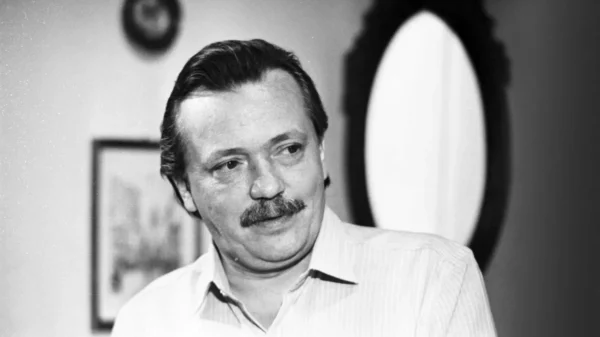








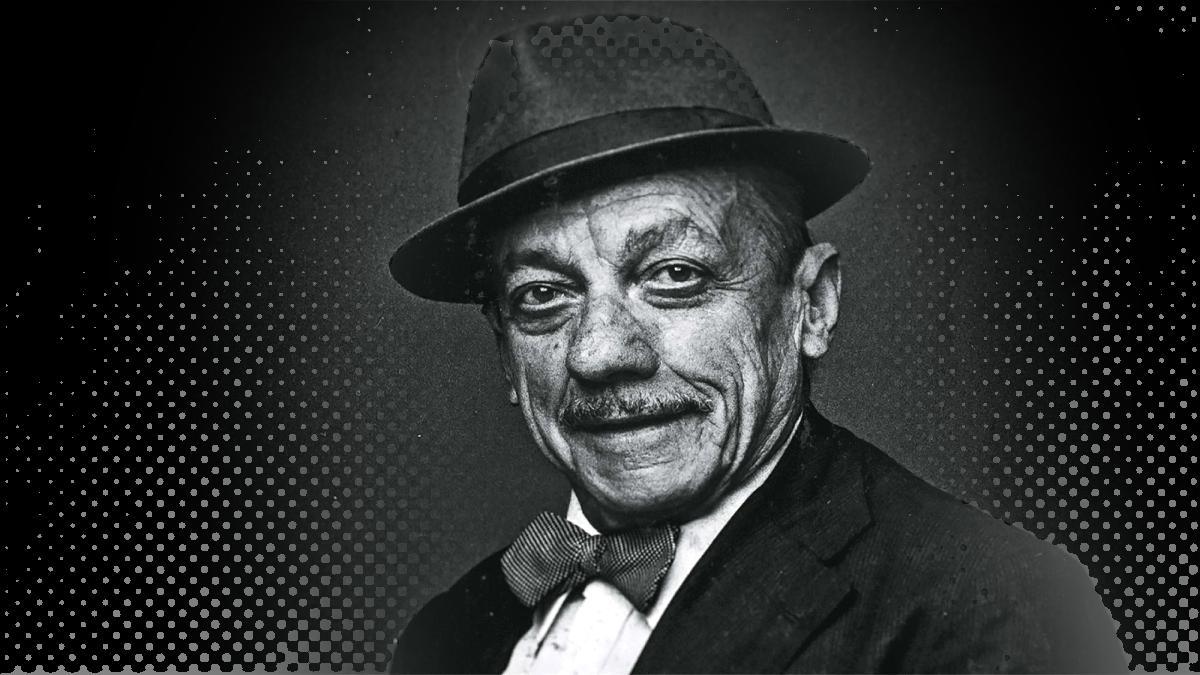
The singer and songwriter Adoniran Barbosa, known for classics like longing maloca e Train of eleven o'clock, is another son of Italian immigrants who made history in Brazil.

He was born in Valinhos, a municipality in the interior of São Paulo, on August 6, 1912, with the Christian name João Rubinato. The artist was the son of an Italian couple Ferdinando and Emma Rubinato, who left the city of cavarzere, in the province of Veneza.
His paternal grandparents were Angelo Rubinato and Anna Manfrinato, and his maternal grandparents were Francesco Ricchini and Antonia Freddo.
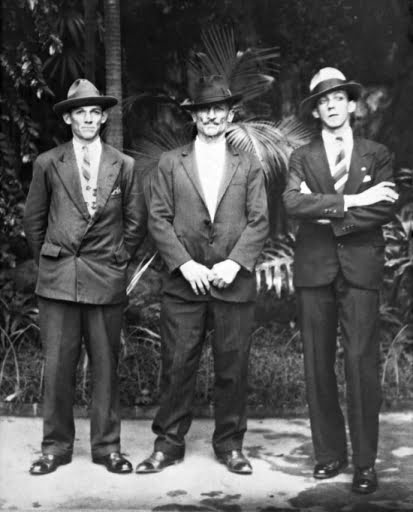
Family changes
In search of better Job opportunities, just as thousands of Italian immigrants did in the same period, Ferdinando and Emma disembarked in Port of Santos on September 15, 1895. They had married four months earlier in Italy, more precisely on May 23, 1895.
After passing through Hostel for Immigrants, the two went to work in the fields in the municipality of Tietê and then moved to Valinhos, where João Rubinato, the couple's seventh child, was born.
The family still lived in Jundiaí, a time when Adoniran Barbosa was still a child, but was already helping his father with the cargo service on the Estrada de Ferro (EF) São Paulo Railway, today EF Santos – Jundiaí. He also worked as a lunch delivery boy and a sweeper in a factory.
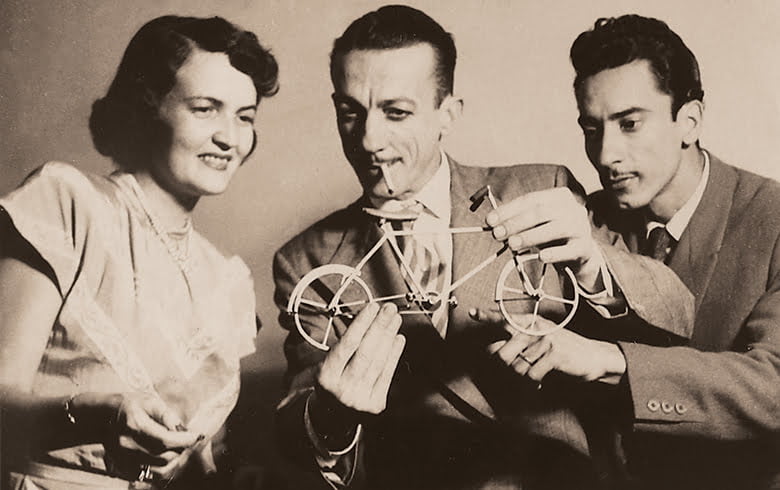
Adoniran Barbosa, working boy
The story goes that Adoniran's father forged his birth certificate, changing the date on which the child was born from August 6th, 1912 to August 6, 1910, as work was only permitted from the age of 12.
In 1924, the Rubinatos moved to St. Andrew, in Greater São Paulo, where he continued working to help his large family. During this time, he was a weaver, house painter, pedlar, plumber, locksmith, waiter, Mechanical adjuster and seller.
At 22 years old, Adoniran went to live in São Paulo, where he got a job selling fabrics. At that time he was already taking the risk of composing and wrote My Life Is Consumed, in partnership with Pedrinho Romano and Verídio, and Socorro with Pedrinho Romano.
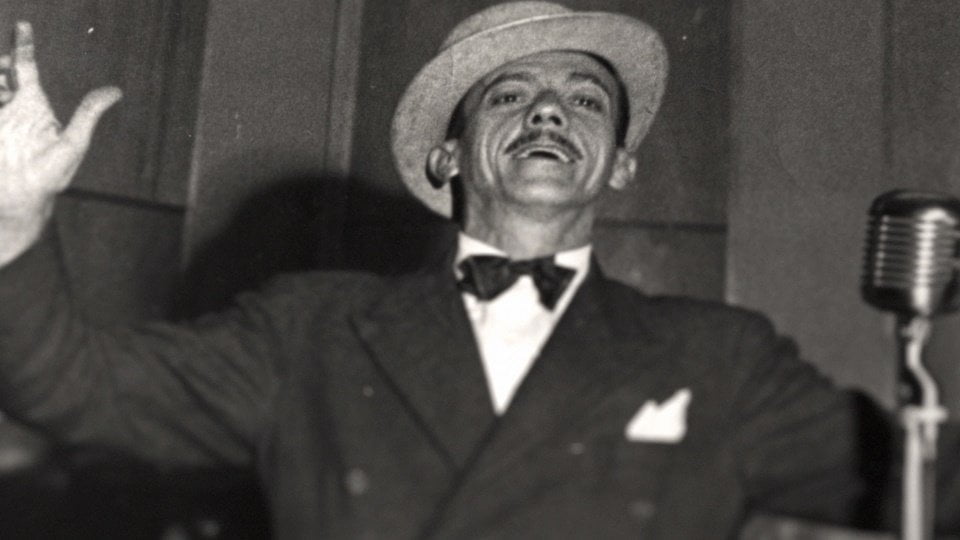
Artist's life
In the capital of São Paulo, he began to participate in freshman programs on the radio. In 1933, he was accepted into Jorge Amaral's program, playing Philosophy, Santa Rosa and André Filho.
It was during this period that he adopted the stage name Adoniran Barbosa, a union of the names of Adoniran, his best friend, and Barbosa, a tribute to the singer Luís Barbosa, his idol.
In 1934, with the march Dona Boa, made in partnership with J. Aimberê, won first place in the carnival contest promoted by the city of São Paulo. It was his first song recorded and released, in the voice of Raul torres.

In 1936, the artist married an old girlfriend, Olga Krum, and the couple had a daughter, Maria Helena Rubinato. However, the marriage did not last a year.
Adoniran Barbosa and the radio
In 1941, Adoniran Barbosa was invited to work in Radio Record, where he worked for over thirty years as a comic actor, DJ and announcer. In the program Mother-in-law's house, by Osvaldo Moles, created and gave life to several characters, such as Zé Cunversa (the trickster), Perna Fina (Italian driver) and Mr. Morris (English teacher).
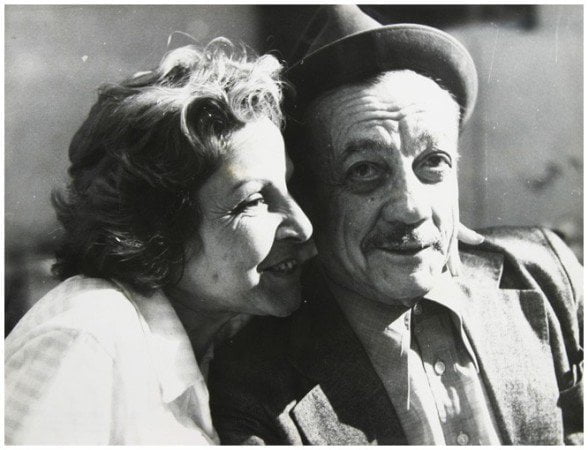
In 1949, he married again, with Matilde de Lutiis, his companion for more than 30 years and who even became his partner in some compositions.
The composer lived for the radio, Bohemia e Matilde. This coexistence, not always peaceful, but very creative, can be summarized in a story. Returning from a night out, Adoniran lost his key and had to wake up the woman. The next day, the two spent arguing and, to end the matter, he wrote the samba Play the Key.
First success
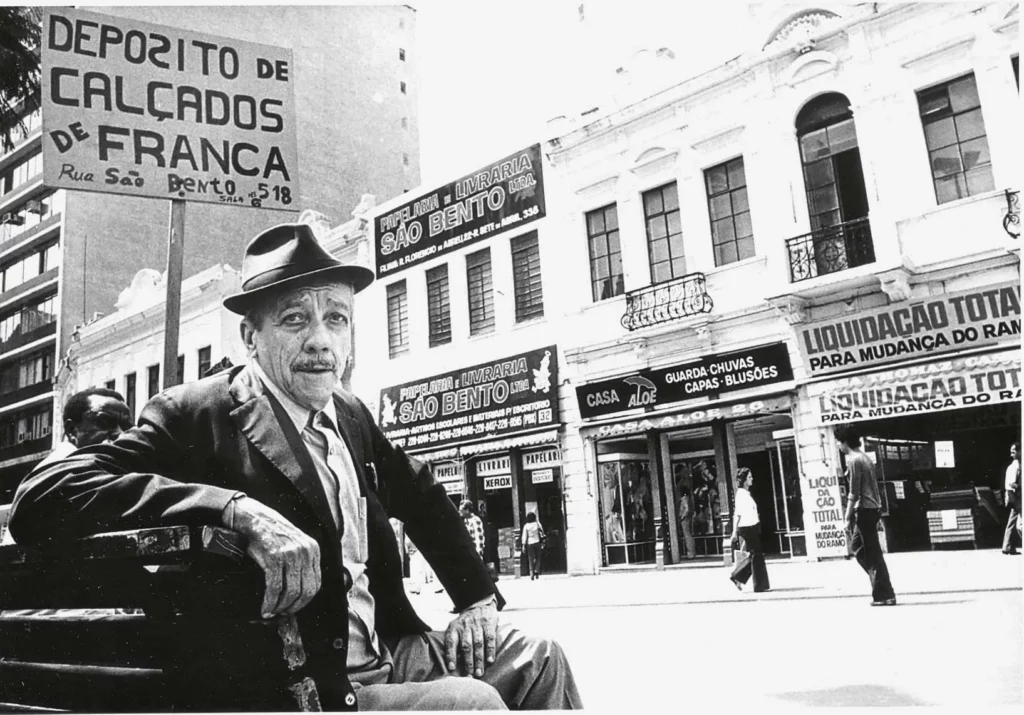
In 1955, Adoniran achieved his first success, longing maloca, composition made in 1951 and recorded by the ensemble Demons of the Drizzle. The group, formed in 1943, would become the greatest interpreter of Adoniran Barbosa.
Inspired by the samba Saudosa Maloca, Osvaldo Moles wrote the program for the radio in the same year History of Longhouses, which aired until 1965 on Record. In the attraction, Adoniran played with enormous success the character Charutinho. The program was even taken to television.
Then, Adoniran Barbosa released songs that became eternal, such as Samba do Arnesto (1953), Tramp Shelter (1959) and the famous Eleven Train (1964), another of his compositions that portrays the daily lives of the poorest sections of the urban population.
Working class
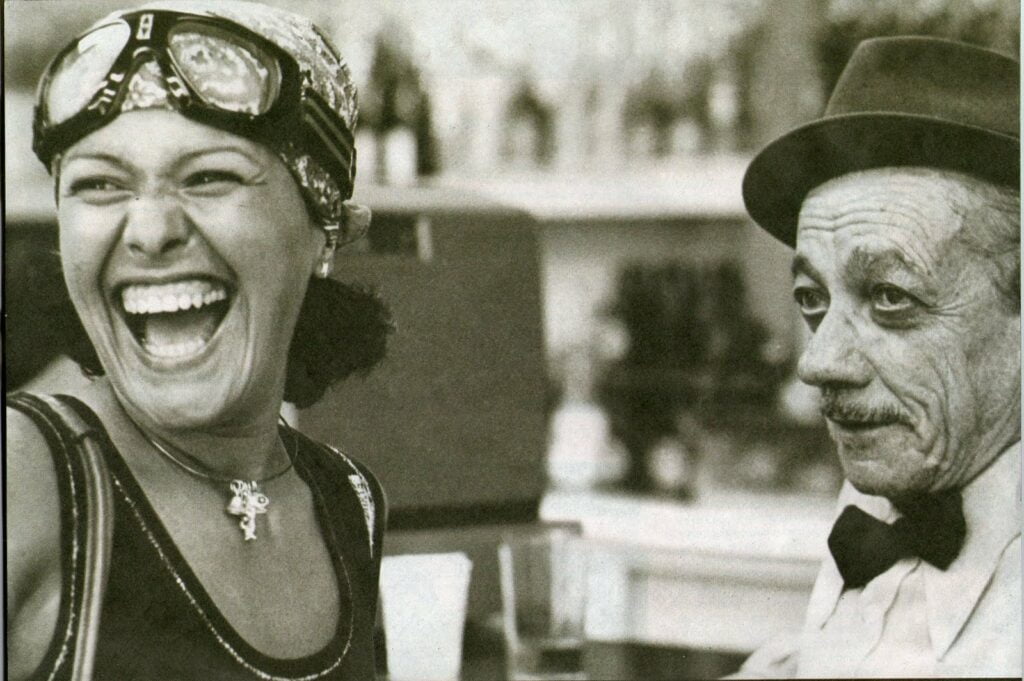
Adoniran Barbosa told in his songs the day to day working class and also the changes caused by the progress in the big city. To do this, he used the way of speaking of residents of Italian origin in some neighborhoods in São Paulo, such as Barra Funda e Brás.
His first individual album (LP) was only released in 1973, with him performing his songs, both new and old. In total recorded three LPs. He spent the last years of his career in sporadic shows, restricted to the São Paulo region, accompanied by Talisman Group.
One of his last compositions was Shooting Álvaro, recorded by Elis the Queen in 1980.
Film and television
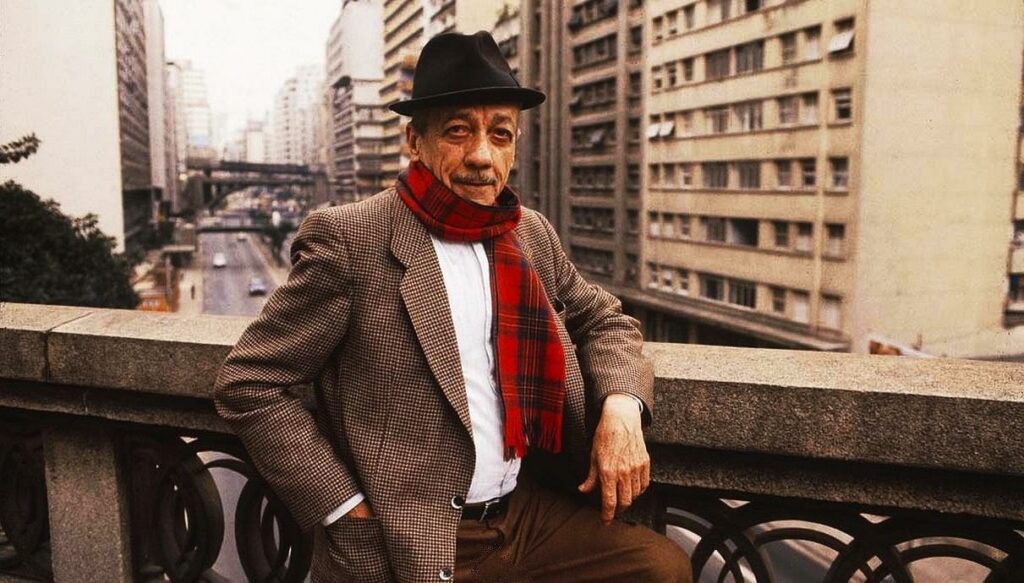
Adoniran Barbosa participated as actor in several films: Pif-paf (1945), Fallen from Heaven (1946), Life is a Laugh (1950), O Cangaceiro (1953), Esquina da Ilusão (1953), Candinho (1954), Real Woman (1954), The Three Garimpeiros (1954), Carnival in A Major (1955), A Carrocinha (1955), Pensão da Dona Estela (1956), A Estrada (1956), Bruma Seca (1961), A Superfêmea (1973) and They are from the deck (1977).
On television, the artist participated in soap operas such as Dona Isaura's Pension, the Tupi TV, and humorous programs on Record of São Paulo, like Daddy Knows Nothing and Ceará Against 007.
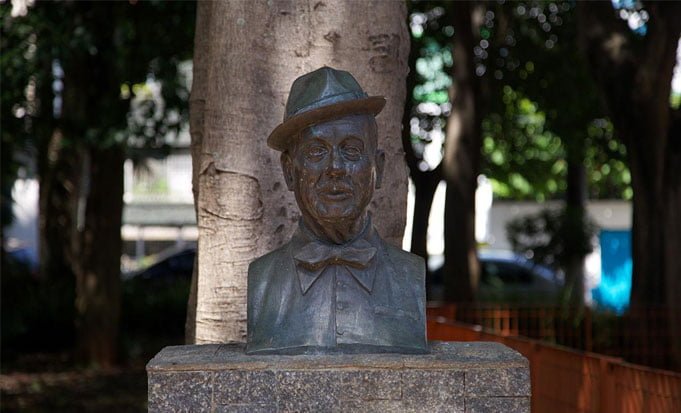
Adoniran Barbosa eternal
Adoniran Barbosa died in São Paulo on November 23th, 1982, leaving his companion Matilde Lutiis. He was admitted to Hospital São Luís treating pulmonary emphysema. He was buried in the Peace Cemetery, according to your desire.
The couple Adoniran and Matilde had no children. His daughter Maria Helena Rubinato, from his marriage to Olga Krum, pursued a career as a translator and died in 2021, at 84 years old.
Consecrated as a great representative of popular music from São Paulo, Adoniran won a bust in Praça Dom Orione, in the neighborhood of Bixiga. It also turned school, square, bar and, in the neighborhood of Jacana, there is a street called Train of eleven o'clock.
FOLLOW-US