



























Known worldwide for its labyrinthine bureaucracy and analog processes, Italy began 2026 with a historic reform. A new "simplification and digitalization" law, which came into effect at the end of December, promises to transform the experience of residents and foreigners by moving essential services from physical counters to the digital environment.
This measure is a direct response to the demands of the European Commission within the National Recovery and Resilience Plan. (PNRR)The goal is clear: to make the country more competitive and reduce the "cost of bureaucracy" which, for decades, has driven away investors and made life difficult for immigrants.
Work visas in record time
For Brazilians and citizens from outside the European Union, the most impactful change is in the processing of... clearance (work authorization).
- Agility: The maximum processing time has been reduced from 90 to 30 days for highly skilled workers (EU Blue Card) and for those who have completed vocational courses funded by Italy in their countries of origin.
- End the housing bureaucracy: Employers no longer need to contend with slow municipal certifications to prove worker housing standards; now, they only need to demonstrate basic health and safety requirements.
Health: medical certificates and prescriptions without leaving home.
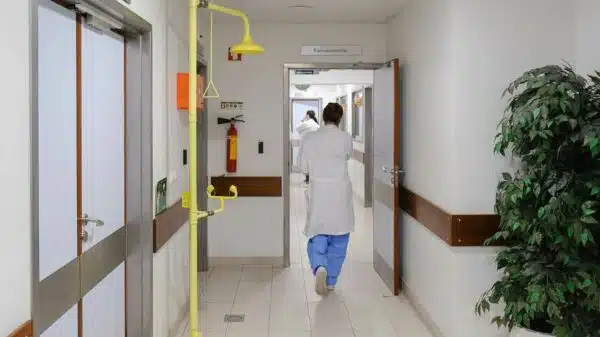
The reform also hits the healthcare system hard. (SSN)The figure of family's doctorThe healthcare system, often overburdened, is gaining momentum with telemedicine.
Now, doctors can issue medical leave certificates. (the famous certificate of malattia) By phone or video, with the same legal value as an in-person consultation. Furthermore, patients with chronic conditions will be able to receive digital prescriptions valid for up to 12 months, eliminating the need for monthly appointments just to renew medications.
Certified translation and pharmacies
Another historical bottleneck that is coming to an end is the requirement for sworn translators to appear in person at courts or registry offices. From now on, Translations of official documents can be signed and sent digitally.This provides a time and cost saving for those in the process of obtaining citizenship or having their diplomas recognized.
As Italian pharmacies They are also changing their profile: they are no longer just places to buy medicine and are becoming service centers. Pharmacists can now administer vaccines to people over 12 years old and perform screening tests for Hepatitis C, relieving pressure on hospitals.
A government "Forward-Looking"
“We want to ensure that all new regulations are future-oriented,” stated the Minister of Institutional Reforms, Maria Elisabetta Alberti Casellati. According to the government, the law will be updated annually to ensure that digitalization... Don't stop at these initial 74 articles.
Despite the enthusiasm, medical unions warn that some implementing decrees still depend on technical details to function in all regions of the country. However, for those living in Italy, the signal is clear: the country has finally decided to retire the stamp and the queue.