
![Attorney Marco Mellone during oral arguments at the Court of Cassation in Rome, at the United Sections hearing on the 'child issue' | Photo: Reproduction/[source of the video]](https://italianismo.com.br/wp-content/uploads/2026/07/marco-mellone-600x337.jpg)




































Moving to a small town or village in Italy can bring a number of challenges, such as limited public transport options, unstable internet and difficulty integrating with locals.
Below are seven tips to make this transition easier. Softer.
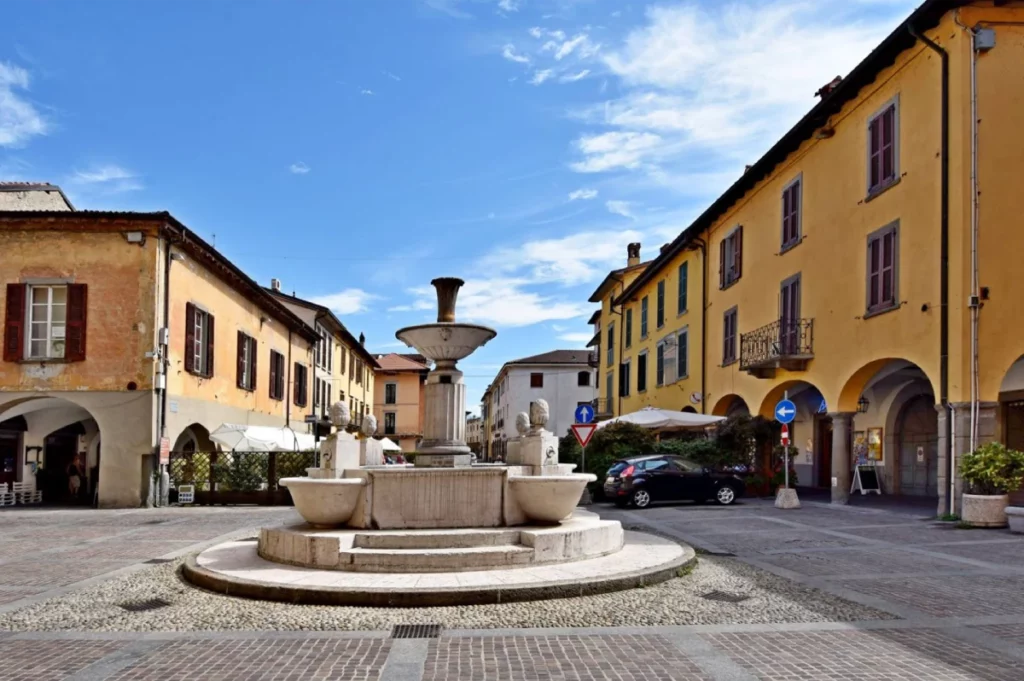
With enchanting landscapes, a more relaxed pace of life, more affordable cost of living and proximity to nature, small Italian towns and villages — fraction — are an attractive option for those looking to move to the Beautiful country.
However, living in a small district can bring challenges and lifestyle changes that can be difficult to deal with at first.

The Supreme Court reaffirmed: citizenship is born with the person.
- New legal front opened
- Processes can still be filed.
- Individual assessment before any decision.
These locations can be isolated, meaning you may have to travel many miles to get to them. city nearest large.
Additionally, public transportation is limited, meaning you will likely have to rely on a car to get around.
Integrate into small communities, which are often not used to the presence of foreigners (strangers), it can be a slow process.
But these challenges don’t mean you can’t make a small town or village your new home. It just may take more time and effort.
Here are some tips to help you adapt.
1. Don't put it off: learn the language
Italian is essential for anyone moving to a small town in Italy. “Learning Italian is more than just a language class,” says Liz Heath, a travel writer who moved to a village in Umbria 15 years ago. “You have to avoid the tendency to speak in English and actually interact with people.”
Italian language courses offered by your local municipality (comune) are a great way to start. But the best way to learn the language is to immerse yourself in it. Watch Italian TV, listen to the radio, read the newspapers—these activities will help you absorb the local language and culture.
Italianism has already written an article on this topic: Tips for learning Italian in Italy: overcome your fear and have fun
Emma Mazzega-Ward, a British woman who moved to a town near Varese, states that, despite the difficulties, learning the language is crucial to building relationships with neighbors.
2. Find your community
To meet people and make friends, join local groups, take classes, or start a new activity. Sharing activities is a great way to connect with others.
Many cities offer courses and events for foreigners, and specific Facebook groups can also be useful for social gatherings. If you can’t find a group that you like, consider starting your own — such as a gardening or walking club.
3. Get a (small) car
Many small towns in Italy do not have fully walkable city centers, and public transportation is scarce and often irregular.
Therefore, having a car can be essential. Choose a small vehicle, such as a Fiat Panda, which makes it easier to get around on narrow roads.
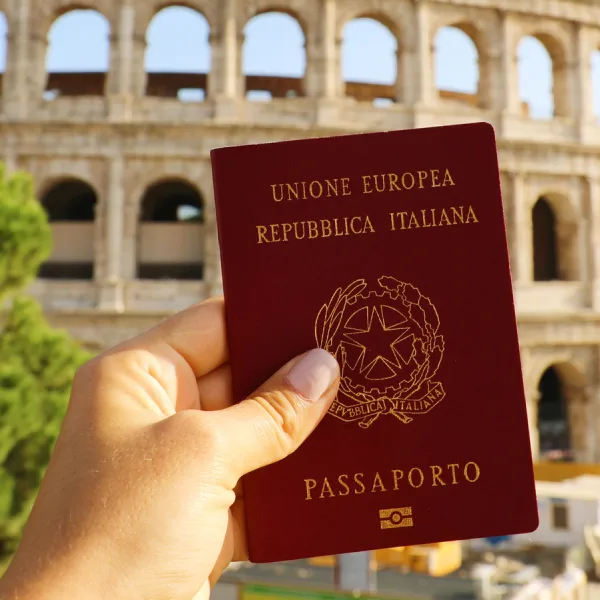
The Constitutional Court's decision changed the landscape. The new citizenship law will now be reviewed by the European Union's courts of justice.
It is possible to find cars for less than 1.000 euros. See some examples on Subito.it, the buying and selling platform in Italy.
4. Invest in quality internet
Internet in isolated areas can be unstable, so if you work from home, consider a satellite internet service like Starlink. Although the cost is higher, stability is guaranteed.
5. Enjoy the local cuisine
Small communities value their culinary traditions. Meeting local producers and visiting weekly markets are great ways to immerse yourself in the food culture.

And don't turn down an invitation to a meal — even if it's a five-hour Sunday lunch!
6. Adapt to the rhythm
Small towns have a slower pace of life, and you may notice that meal times are long, shops close for lunch, and no one is in a rush. Take advantage of these opportunities to relax and integrate into the local lifestyle.
7. Give it time
Moving to a new culture and lifestyle requires patience. Adjustment takes time, from finding a home to settling in and organizing paperwork.
Little by little, you will realize the value of local traditions, the surrounding nature and the slower pace of life.
Have you ever had this experience or do you have any tips for anyone planning a move? Share in the comments!










![Attorney Marco Mellone during oral arguments at the Court of Cassation in Rome, at the United Sections hearing on the 'child issue' | Photo: Reproduction/[source of the video]](https://italianismo.com.br/wp-content/uploads/2026/07/marco-mellone-100x100.jpg)