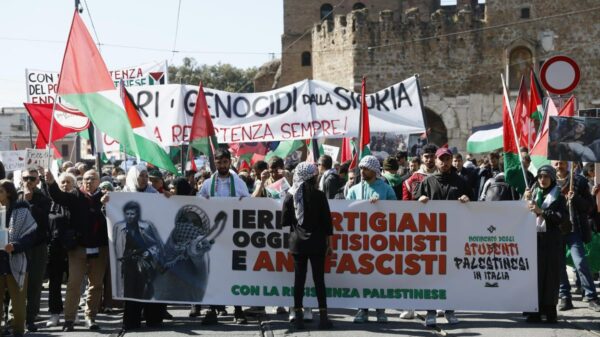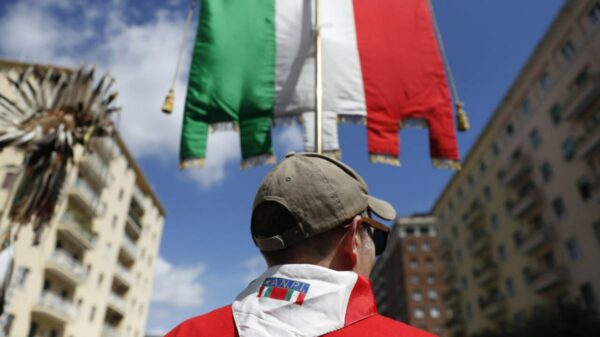



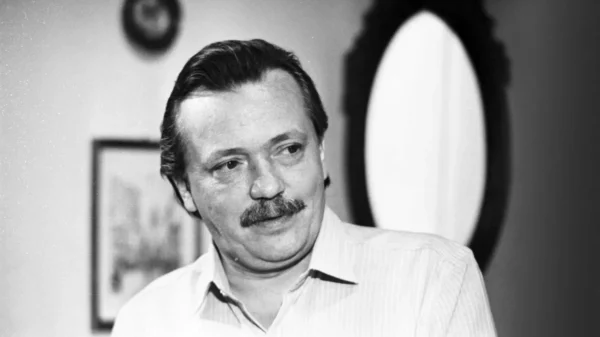










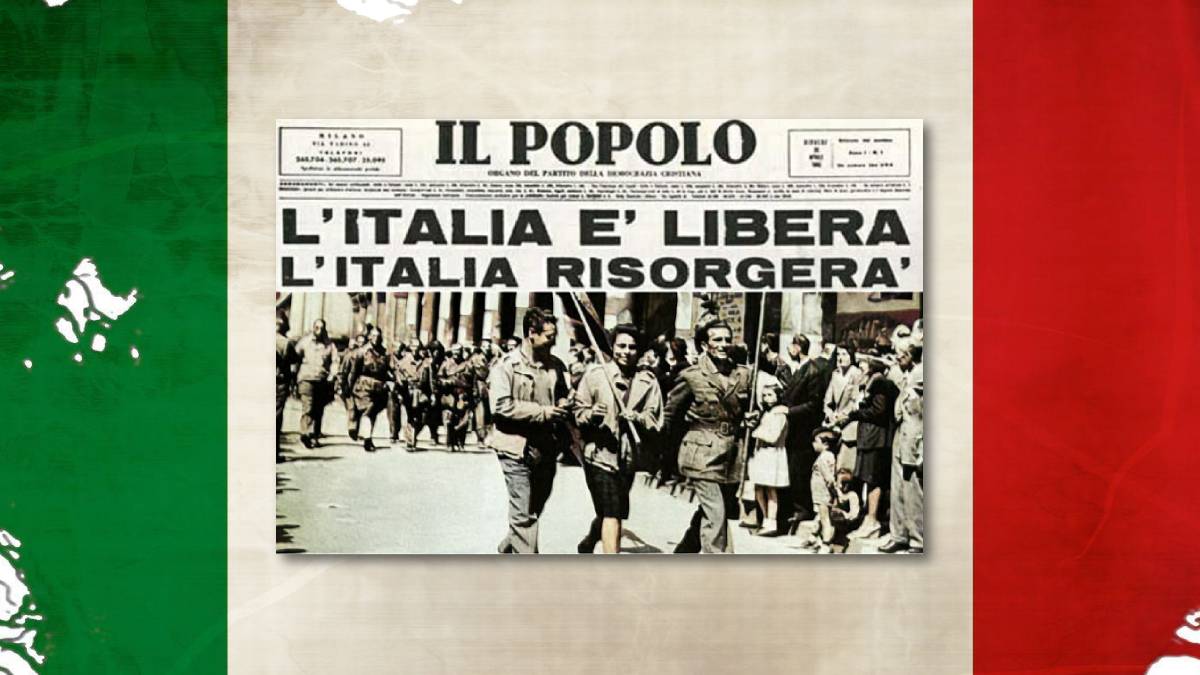
Em 1945, Italy was liberated from fascist dictatorship and Nazi occupation. Among the protagonists of that time was Sandro Petrini, who later became president of Italy.
It's been 78 years. In 1945 Italy freed itself from the fascist dictatorship and Nazi occupation and that's why Liberation Day is celebrated on April 25.
It is a birthday unfairly interpreted by some as a celebration of the left. In fact, it was the entire Italian people who were freed.
April 25th is also known as the anniversary of the Resistance, party also dedicated to the value of Partisans (partigiani) of all the fronts that, from 1943 onwards, contributed to the liberation of Italy.
The recurrence
April 25, 1945 is the day on which the Upper Italian National Liberation Committee (CLNAI) proclaimed a general insurrection in all territories still occupied by the Nazi-Fascists, appointing all partisan forces active in northern Italy as part of the Freedom Volunteer Corps to attack the Fascist and German garrisons imposing surrender, days before the arrival of allied troops.
At the same time, the CLNAI personally issued legislative decrees, assuming power “in the name of the Italian people and as delegate of the Italian Government”, establishing among other things the death penalty for all fascist hierarchs, including Benito Mussolini, who was captured and shot three days later.
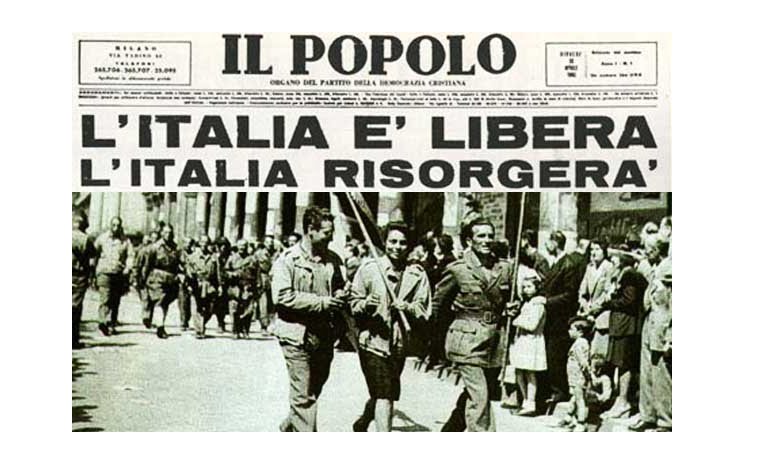
"Surrender or die!” was the slogan of partisans that day and immediately following.
The protagonist of those eventful days was Sandro Pertini, who later became one of the most beloved presidents of the Italian Republic.
History
On May 1st, all of northern Italy was freed: Bologna (April 21), Genoa (April 23) and Venice (April 28).
Liberation thus put an end to twenty years of fascist dictatorship and five years of war.
The date of April 25 symbolically represents the end of the military phase of the Resistance and the effective beginning of a phase of government by its representatives that would lead to the first referendum — June 2, 1946 — for the choice between monarchy and republic, and then to the birth of the Italian Republic, until the definitive writing of the Constitution.
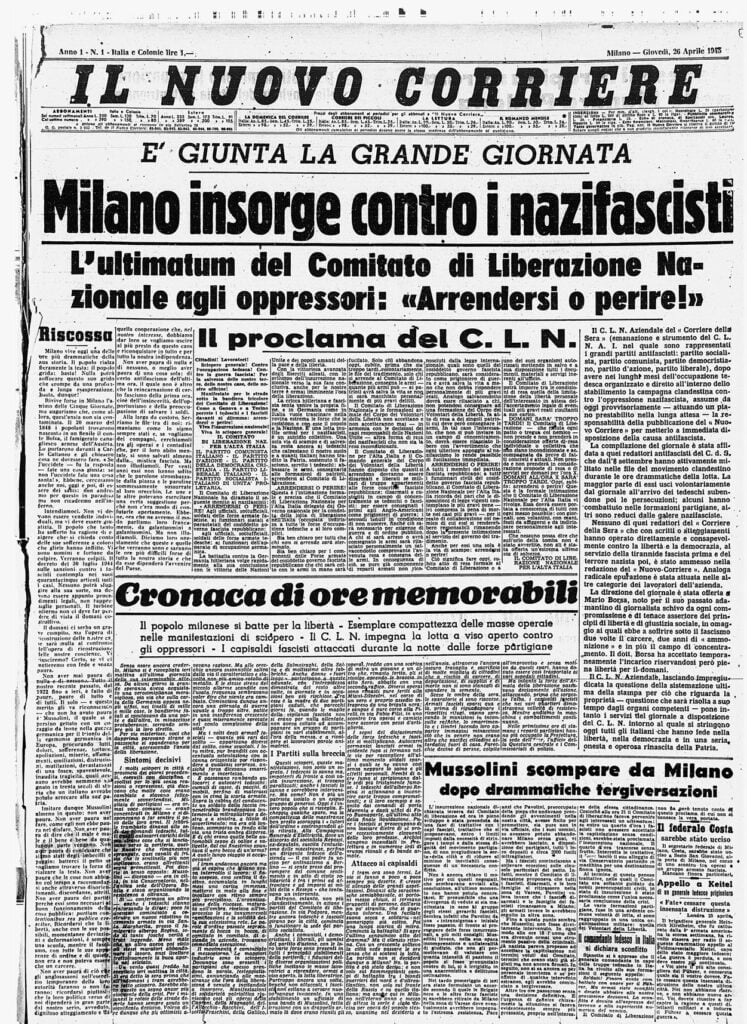
The effective end of the war on Italian territory, with the definitive surrender of the Nazi-fascist forces, occurred only on May 3rd, as formally established by the representatives of the forces in the field during the so-called surrender of Caserta signed on April 29th, 1945: These dates also mark the end of the fascist period.
The memory
The April 25th party was established in 1946. He was the chairman of the board Alcide de Gasperi who proposed the initiative to the King Umberto II, which issued a lieutenant legislative decree that said: “In commemoration of the total liberation of Italian territory, April 25, 1946 is declared a national holiday”
The anniversary was also celebrated in the following years, but was only institutionalized on May 27, 1949.
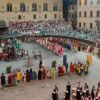
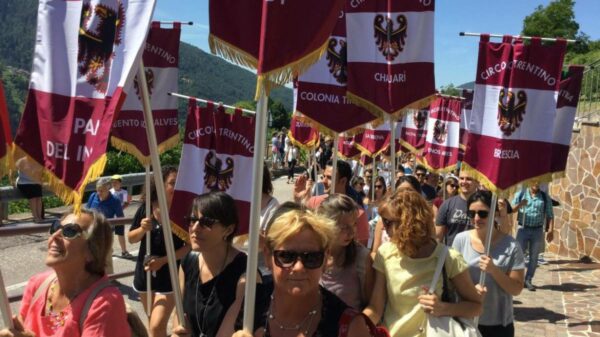
Since then, celebrations and events were organized in many Italian cities.
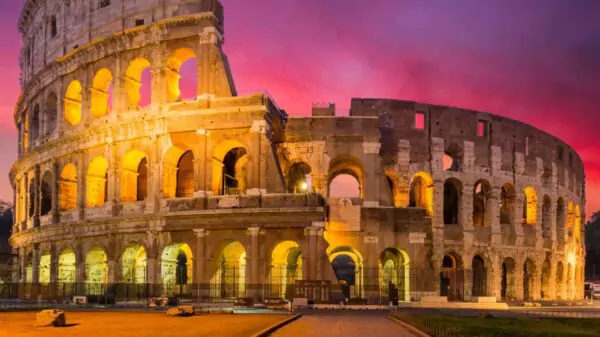
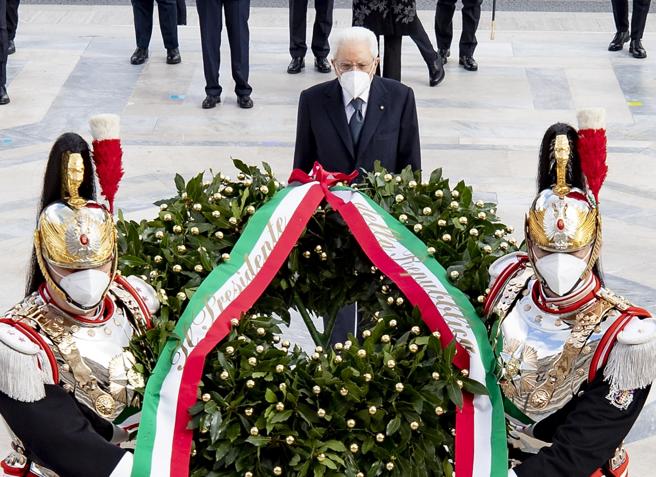
In Rome, the President of the Republic usually lays a wreath at the memorial of Unknown Soldier at the Altare della Patria, in Piazza Venezia.
Article updated on 24/04/2023