























When the Italian government enacted, in March 2025, a decree that severely restricts the right to citizenship by descent (the right of blood), the official justification seemed technical: to contain the “excess of requests”. But this explanation is superficial. The measure is not about efficiency. It's about ideology. It's about identity. And, most of all, it's about exclusion.
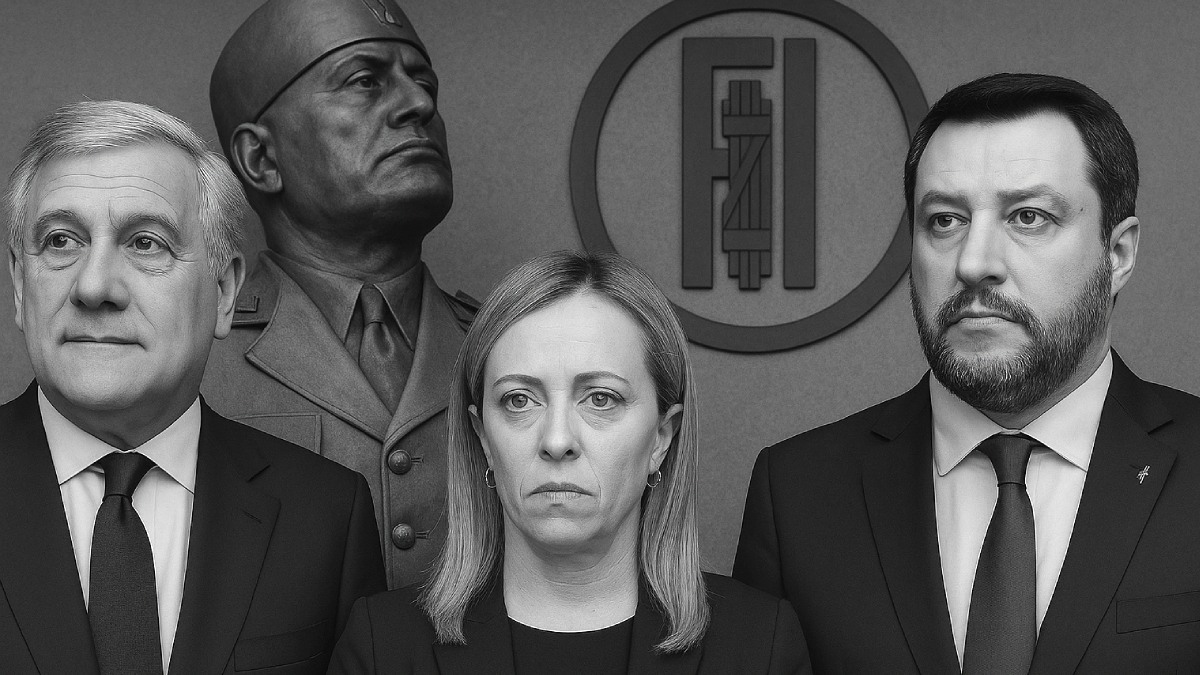
What is happening in the Italy of Antonio Tajani, Giorgia Meloni and Matteo Salvini is not just a migration policy. It is a political project that echoes — in tone, form and spirit — the authoritarian nationalism that took hold of Europe in the 1930s. And which, in Italy, has gained a name: fascism.
This reform echoes the old desire to purify Italianness.
The Tajani decree: genealogy of an exclusion
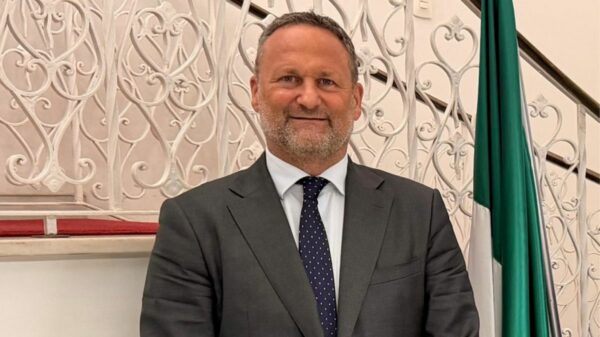
O Decree-Law No. 36/2025, authored by the Minister of Foreign Affairs, Antonio Tajani (Forza Italy)The law limited the automatic recognition of Italian citizenship to grandchildren of Italian citizens. From the fourth generation onwards, descendants will only be entitled to citizenship if the parent has legally resided in Italy for at least two years before their birth—and does not currently hold another nationality.

The Supreme Court reaffirmed: citizenship is born with the person.
- New legal front opened
- Processes can still be filed.
- Individual assessment before any decision.
This change seems reasonable until you consider the context. Brazil, which is home to the largest Italian-descendant community in the world (more than 30 million people), is the main affected. Thousands of ongoing cases will be dismissed. Families will be split into citizens and non-citizens. And all this under the argument that “citizenship must be a real commitment to Italy.”
But who decides what is “real”?
The praise of Mussolini and the refusal of anti-fascism
In 2019, Tajani declared that Benito Mussolini “also did good things” — an attempt to revive the dictator’s image as a modernizer of the country. The statement received negative reviews across Europe and was condemned by the European Parliament. But Tajani did not firmly retract his statement: he simply said he had been misinterpreted.
Prime Minister Giorgia Meloni, leader of the Brothers of Italy, began his political career in groups inherited from the Italian Social Movement — founded by former fascists after the war. In 1996, at the age of 19, he stated that “Mussolini was a good politician”. Although he now denies any links to fascism, Meloni still refuses to declare himself “anti-fascist”, a term that the Italian Constitution explicitly embraces.
This refusal is more than symbolic. It is structural.
Matteo Salvini: the separatist who became a nationalist
The third cornerstone of the ruling coalition is Matteo Salvini, of the Lega (formerly Lega Nord). For years, Salvini advocated separatism in northern Italy, calling the south “dead weight” and advocating a “free Padania”. Now a re-nationalist, he is obsessed with borders, identity and sovereignty.
Salvini is famous for phrases like:
“We cannot accept that anyone becomes Italian just because they want to”
He has referred to Mussolini as “a leader who had his time” and has harshly criticized the use of the word “fascist” as an insult. In 2019, his party approved tributes to soldiers of the RSI — the Italian Social Republic, the last bastion of Mussolini’s regime under Nazi occupation.
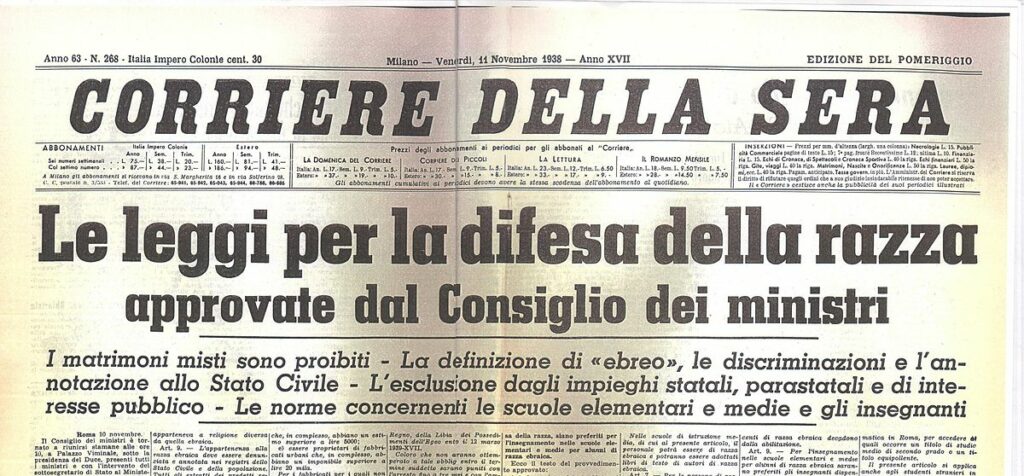
The Shadow of the 1938 Race Laws
Perhaps the most uncomfortable parallel is this. In July 1938, the fascist regime published the Race Manifesto, which gave rise to the Italian Racial Laws. These laws banned Jews from schools, universities and public office, prohibited “mixed” marriages and revoked citizenships granted to non-Europeans and minorities.
The principle was clear: to protect the “Italian race”.
Today, what does the 2025 decree protect? “Authentic Italianness”?
When descendants are required to give up their nationalities, live for years in Italy or prove a “real link” with the country, it is being said that Italian identity is not a cultural heritage, but a restricted privilege. This is dangerous — and echoes the worst pages of Italian history.
Citizenship as an instrument of national purity
Italy is, by definition, a country of emigrants. Between 1861 and 1985, more than 26 million Italians left the country. They left poor and fleeing famine and war. Their grandchildren and great-grandchildren, who kept their surnames, habits and emotional ties with the “land of the grandparents”, cannot now be dismissed as opportunists.
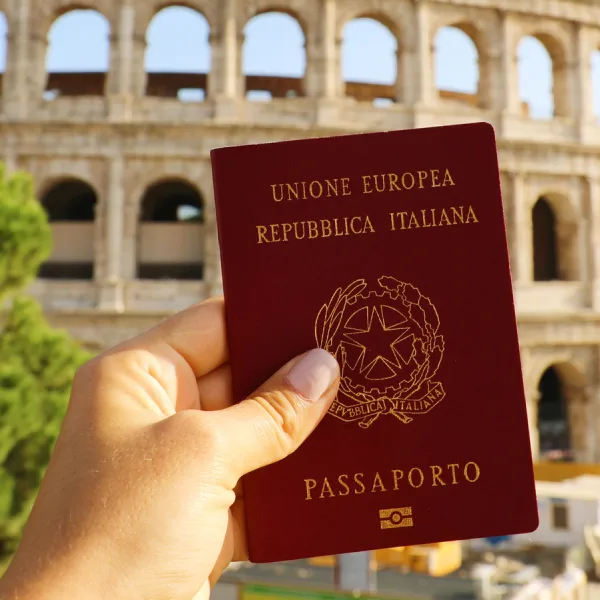
The Constitutional Court's decision changed the landscape. The new citizenship law will now be reviewed by the European Union's courts of justice.
To deny them citizenship is to deny Italy's own history.
This new model of citizenship creates an “ideal Italian,” domesticated, territorial, homogeneous. The same ideal that Mussolini pursued when he said that “blood defines the homeland.” The same ideal that persecuted Jews, mixed-race people, migrants, and people from the South. The same ideal that the 1948 Constitution tried to bury.
Time to say: no again
People of Italian descent must react. Italian-Brazilian associations must react. The European Parliament must react. Because this is not a debate about bureaucracy — it is about democratic values. Exclusion is not a technicality: it is political, symbolic and historical.
If citizenship becomes a test of purity, Italy will have ceased to be a republic and will once again become a project of exclusion.
And we know where this ends. We've seen it before. In 1938.