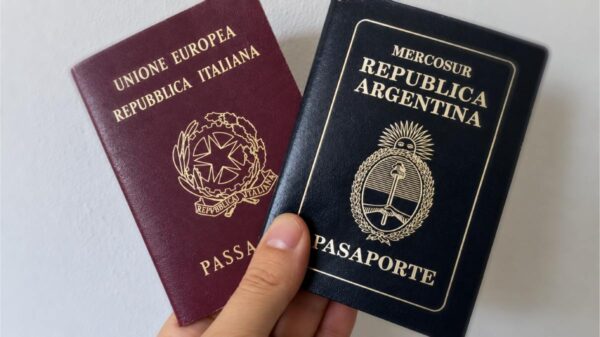
Veneza concedeu cidadania italiana a 1.660 estrangeiros em 2024. Um terço deles veio de Bangladesh, segundo dados do município. O número representa um aumento de quase 300 em relação a 2022, quando foram concedidas 1.365 cidadanias.
A cidade, que enfrenta queda populacional, registra hoje cerca de 41 mil estrangeiros. Isso representa um a cada seis moradores. Até 2041, a população residente deve cair de 250 mil para 235 mil, segundo projeções locais.

A aquisição da cidadania italiana garante direitos civis e políticos aos novos cidadãos. Muitos estrangeiros veem isso como o único caminho para ter voz ativa nas decisões municipais, já que só os cidadãos italianos podem votar e se candidatar.
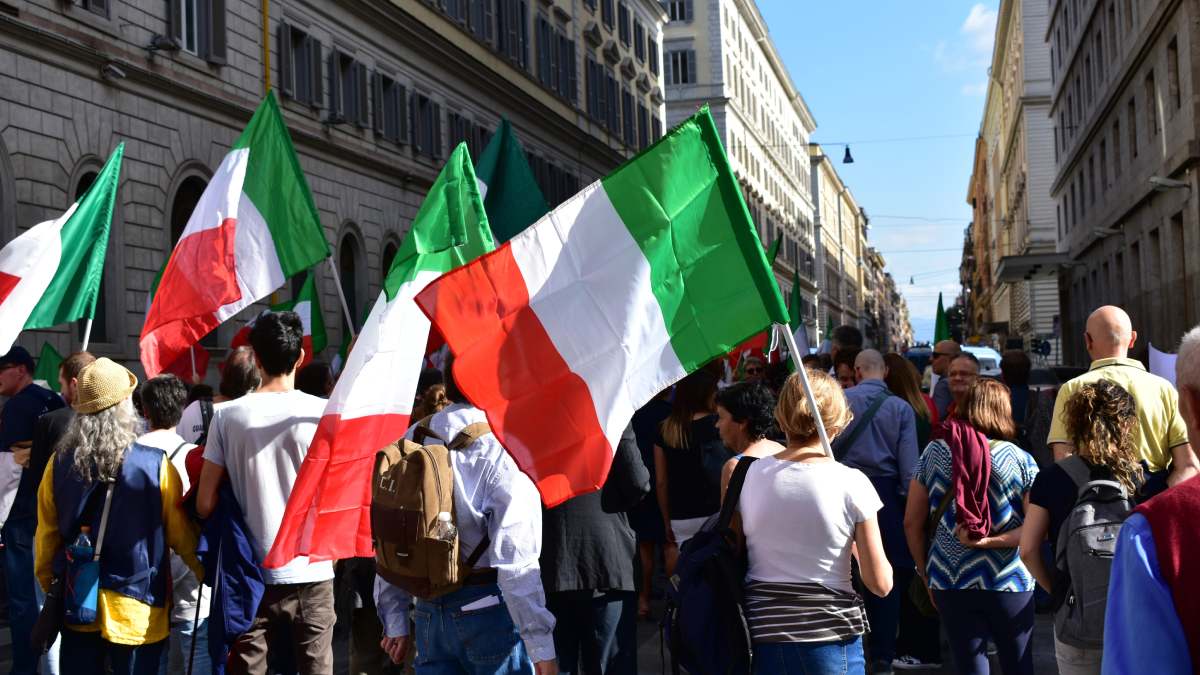
O processo, no entanto, é demorado. Leva cerca de 13 anos e exige residência legal contínua. A procura crescente, como a vista no último final de semana em via Paruta, causa filas e até conflitos por atendimento para renovação de documentos e protocolos de naturalização.
Comunidade bangladense lidera
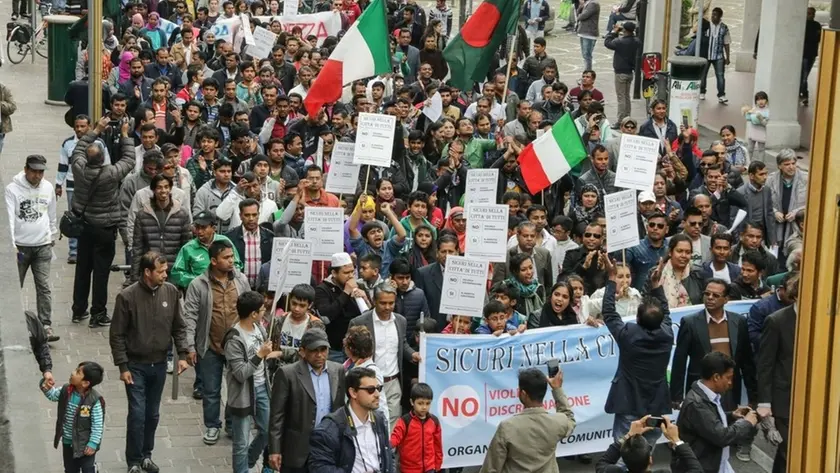
O Bangladesh lidera o ranking de novos cidadãos em Veneza, com 494 concessões em 2024. Em seguida vêm Moldávia (271), Macedônia e Romênia, com cerca de 100 cada. Ao todo, 60 nacionalidades foram representadas entre os novos italianos.
A comunidade bangladense tem hoje cerca de 10 mil integrantes na cidade. É também a que mais avança na política local. O Partido Democrático e partidos do centro-direita já incluem nomes como Kamrul Syed, Clark Manwar e Prince Howlander em suas pré-candidaturas para as próximas eleições municipais.
Já os chineses, apesar de terem sido uma das primeiras comunidades a chegar, raramente pedem cidadania italiana. Isso se deve ao receio de perder a nacionalidade chinesa, que não permite dupla cidadania.
População estrangeira sustenta escolas e serviços
Na província de Veneza vivem 88.882 estrangeiros. Eles representam 17,7% dos moradores locais e 10,6% de toda a população estrangeira do Vêneto, quarta região italiana nesse indicador.
Os romenos são maioria na província, com quase 23%, seguidos pelos cidadãos de Bangladesh (12,8%).
Nas escolas, os estrangeiros também são fundamentais: 17 mil alunos — 16,4% do total — têm origem estrangeira. Sem eles, as turmas cairiam 16,5%, e a demanda por professores diminuiria na mesma proporção.
Além disso, 84.890 estrangeiros são contribuintes. Eles pagam impostos como qualquer outro residente. O rendimento médio anual declarado é de € 16.850, cerca de € 8.500 abaixo do registrado entre italianos.
O debate sobre imigração, nesse contexto, não é apenas social, mas econômico e estrutural. Sem estrangeiros, escolas, serviços públicos e o mercado de trabalho enfrentariam uma retração acelerada, com impacto direto na sustentabilidade das cidades italianas.
Newsletter
Últimas do Italianismo
Todo dia, às 18h, um resumo do que aconteceu na Itália direto no seu e-mail.
É gratuito e você cancela quando quiser.