



























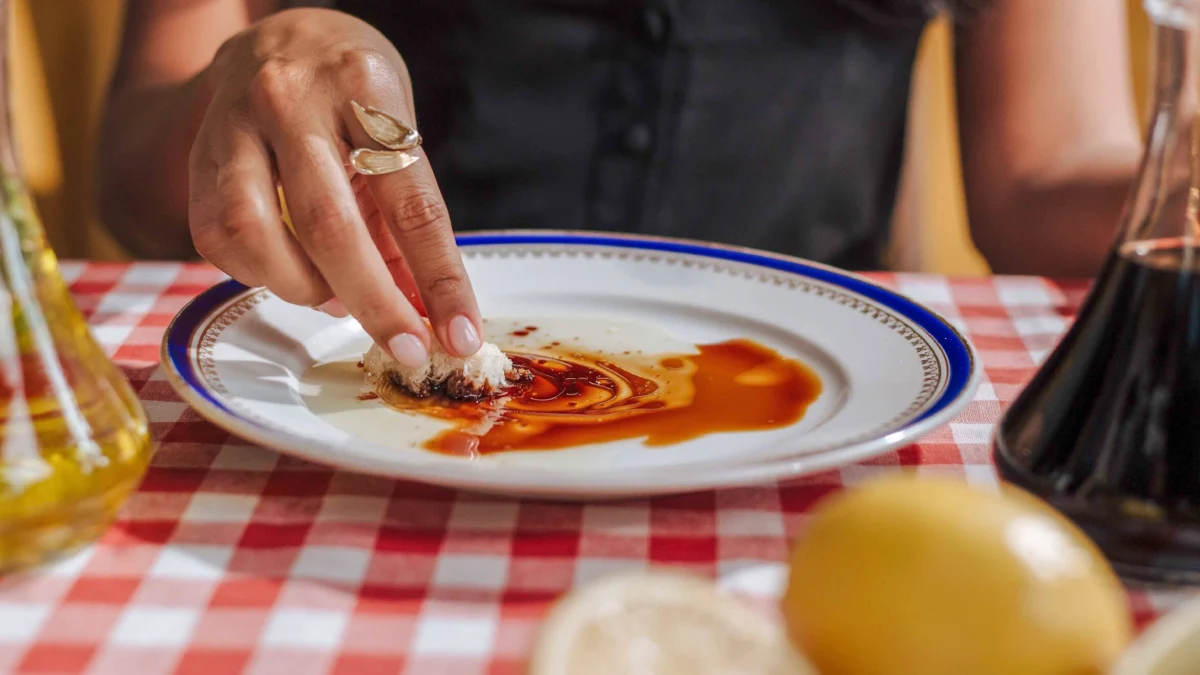
Cleaning your plate with a piece of bread is a common practice in Italian homes — but is it impolite to do so in a restaurant? Share your own experiences in the comments below.
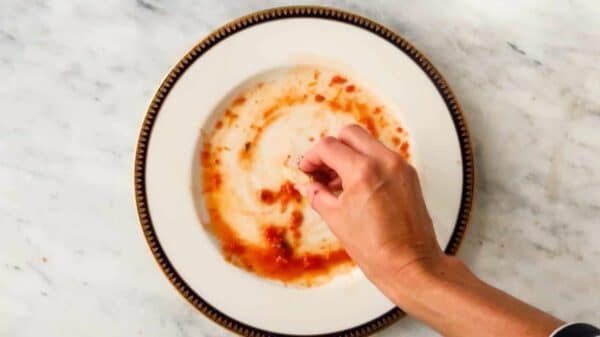
This practice is known as 'fare la scarpetta' in Italian, which literally translates as 'making the shoe'. The term 'scarpetta' comes from the word 'scarpa', which means shoe. The most accepted explanation for this expression compares the slice of bread to the sole of a shoe, which, when walking, collects everything it finds along the way.
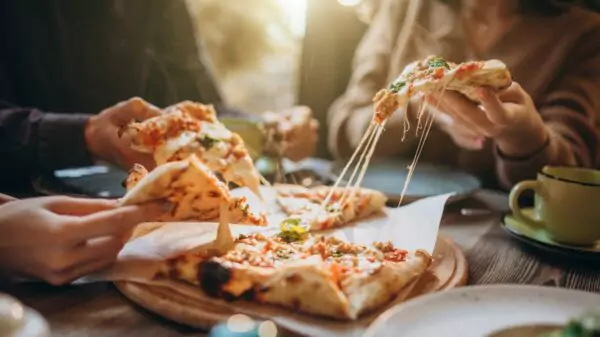
To make this characteristic Italian 'sweep', simply cut a piece of soft bread with your hands and collect the residue of the tasty pasta sauce that remains on the plate.
Origins of scarpetta
The origins of scarpetta are largely unknown, but a few theories have been floated over the years.

The Supreme Court reaffirmed: citizenship is born with the person.
- New legal front opened
- Processes can still be filed.
- Individual assessment before any decision.
Some Italians say the name comes from the fact that the small piece of bread resembles a small shoe.
Others believe that dragging bread across the plate is like a shoe scraping the street, picking up mud and dirt along the way.
Another common hypothesis is that the word is a derivative of 'scarsetta', which means 'scarcity'. Historically, Italy was a poor country, so the act of cleaning one's plate to avoid wasting food makes this explanation very plausible.
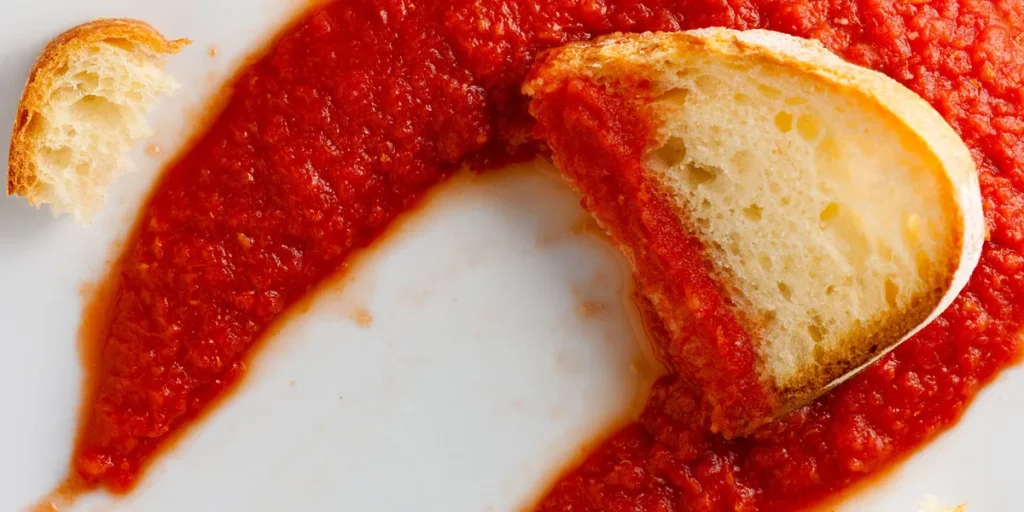
Table etiquette
Although the dining ritual is widespread, where and when it is considered good galateo (etiquette) appears to vary by region and social situation.
For instance, on our trip to Celeste Salvatore, a retiree from Cosenza, in southern Italy, says: “Everyone in Calabria does it. It’s completely acceptable here and a sign of good cooking.”
Sabrina Paganin, a Brazilian who lives in Rovigo, in the Veneto region, is a fan of scarpetta. “For me, when the sauce is very tasty, making the scarpetta is a sign that you liked the sauce and a compliment to whoever cooked it.”
The British Ros Cooper, who has lived in Italy with her husband Umberto for 40 years, echoes De Salvatore's sentiment when she says: “Italians eat with their hands a lot in family situations, so I think it's acceptable.”
But she adds a caveat: “General manners do not allow this in higher social classes, of course!”
It seems most agree: It's acceptable to make scarpetta at home or in casual establishments with friends, but not in a Michelin-starred restaurant or in a formal situation like a business dinner or wedding party, where it will be considered bad form. I like.
If you're in doubt as to whether the situation warrants scarpetta, it's best to err on the side of caution and use a fork to hold the piece of bread.