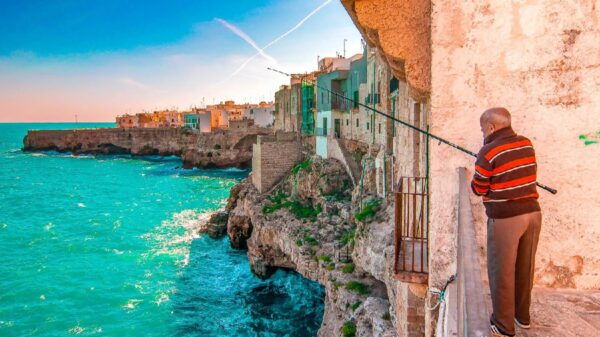


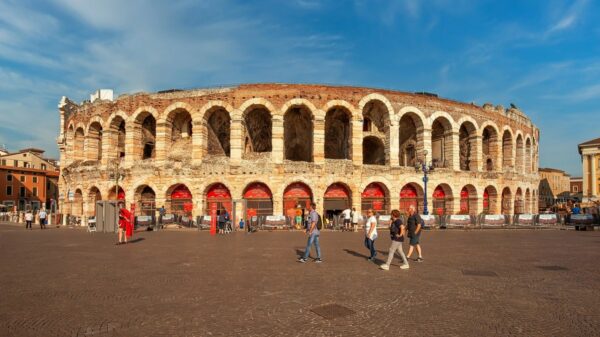
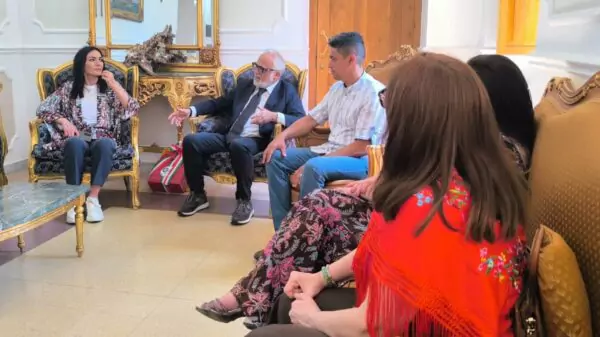


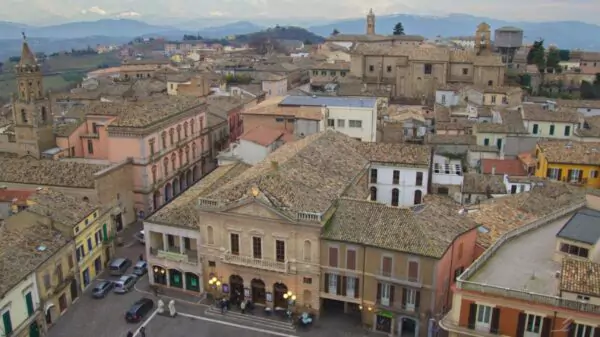









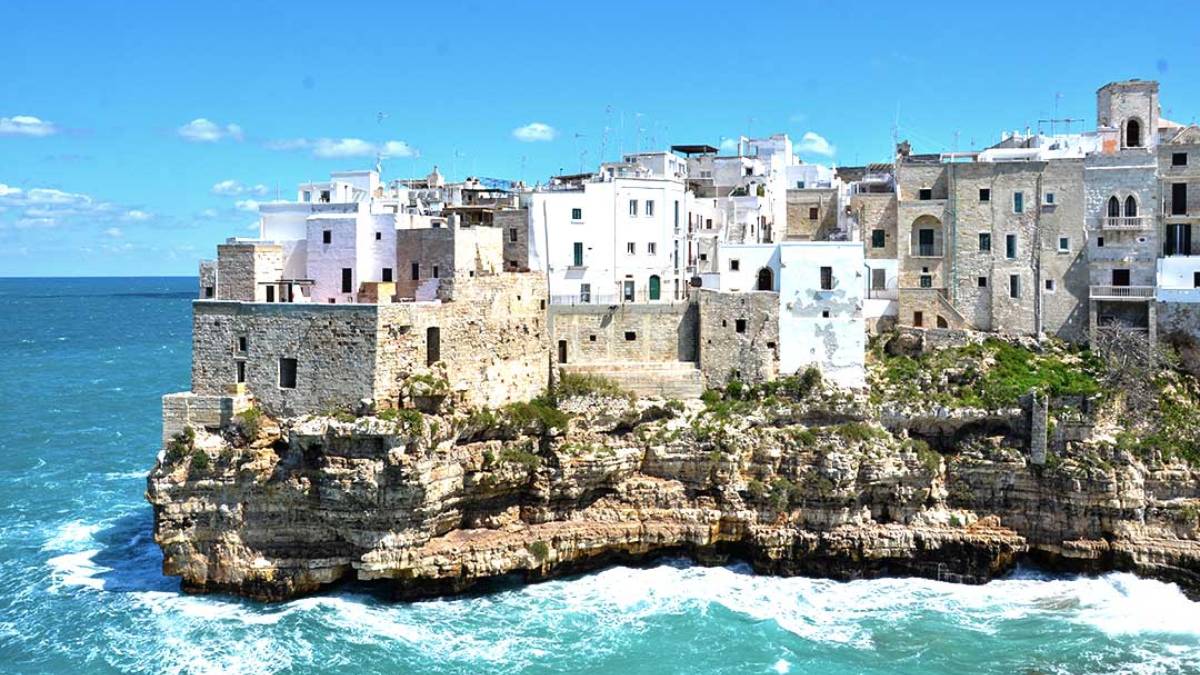
A street in the southern Italian town of Polignano a Mare could be named after Brazilian lawyer Eunice Facciolla Paiva, whose story was told in the Oscar-winning Best International Feature Film, “Still Here,” by Walter Salles.
Suggested by Italian film director Gianni Torres, the proposal is an initiative of city councilor Maria La Ghezza, who presented a motion to pay tribute to “an extraordinary woman who fought for justice, civil rights and freedom, confronting the Brazilian dictatorship head on.”
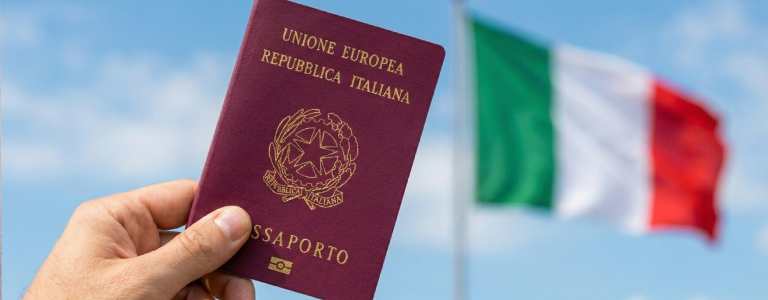
Considered a symbol of courage and justice, Paiva was the daughter of a father born in Polignano, who emigrated to Brazil at the beginning of the 20th century, according to CBN radio.
In a Facebook post, La Ghezza highlights that the lawyer’s family “helped keep the traditions of Puglia alive in São Paulo, creating a supportive and hard-working community.” In addition, he recalls that Eunice “graduated in law at the age of 46 and wrote fundamental pages of the Brazilian Constitution, protecting the rights of indigenous peoples.”
“Dedicating a street to Eunice Facciolla means valuing our history and projecting Polignano on the international stage”, adds the Italian councilor.
The life of Eunice Paiva is portrayed in the film “Still Here”, which attracted more than 5 million viewers to cinemas in Brazil. Played by actress Fernanda Torres, the woman is a mother of five children and sees her life turned upside down after the kidnapping, arrest and disappearance of her husband, former congressman Rubens Paiva (Selton Mello), by the military regime.
The work, which made history by being nominated in two categories at the 2025 Oscars and winning an unprecedented statuette in the country's history, is inspired by the book of the same name by Marcelo Rubens Paiva, son of Eunice and Rubens.
On social media, one of Eunice and Rubens’ daughters, journalist Eliana Paiva, thanked the initiative. “We are very honored by the project of dedicating a street to my mother. A symbol of resistance, Eunice would be very happy with such affection and such a great honor from the city where her father was born. We thank you with all our hearts,” she wrote.
In response, the Italian councilwoman said she was “very happy” that everyone liked the proposal. “Eunice deserves to be remembered.
I will do my utmost to ensure that the city does not miss this extraordinary opportunity.” (HANDLE)