
![Attorney Marco Mellone during oral arguments at the Court of Cassation in Rome, at the United Sections hearing on the 'child issue' | Photo: Reproduction/[source of the video]](https://italianismo.com.br/wp-content/uploads/2026/07/marco-mellone-600x337.jpg)




























With the beginning of 2024 Olympic Games in Paris, Italian fans will be rooting for the the Blues – 'the Blues'.
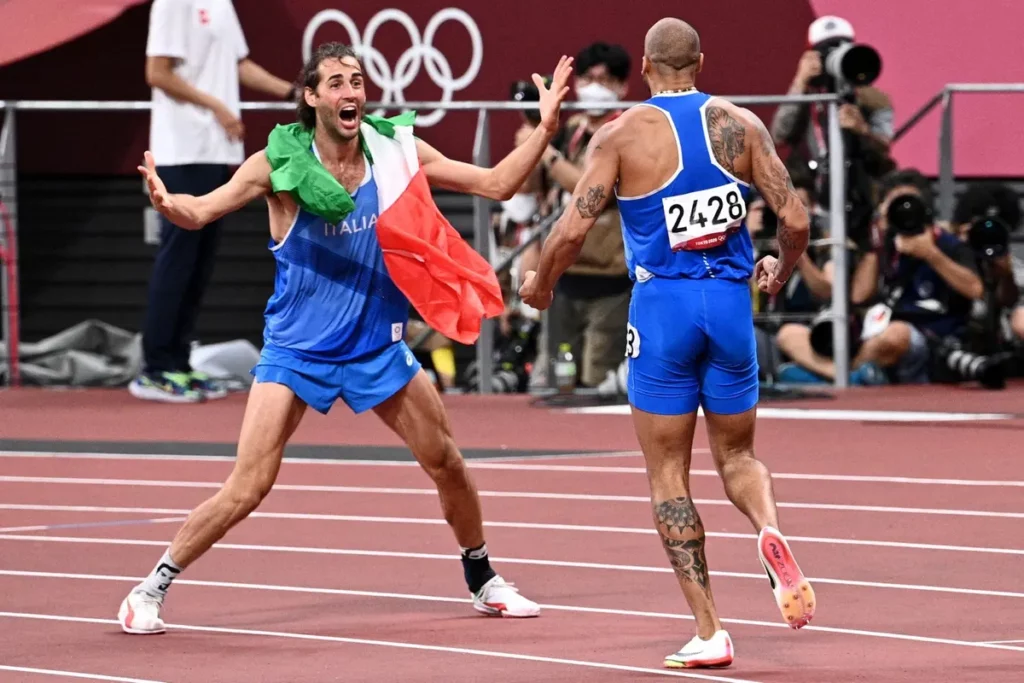
Blue — or, to be more specific, sky blue — has been the color of Italian national teams for almost 100 years, despite it being nowhere on the flag. green-white-and-red the country.
Your more poetic friends may try to convince you that the deep blue worn by Italian athletes serves as a reminder of Italy’s enviable sea and sky. But the real explanation is historical and somewhat more prosaic.
We need to go back in time to a different Italy — before World War II and before Italy became a republic in 1946.
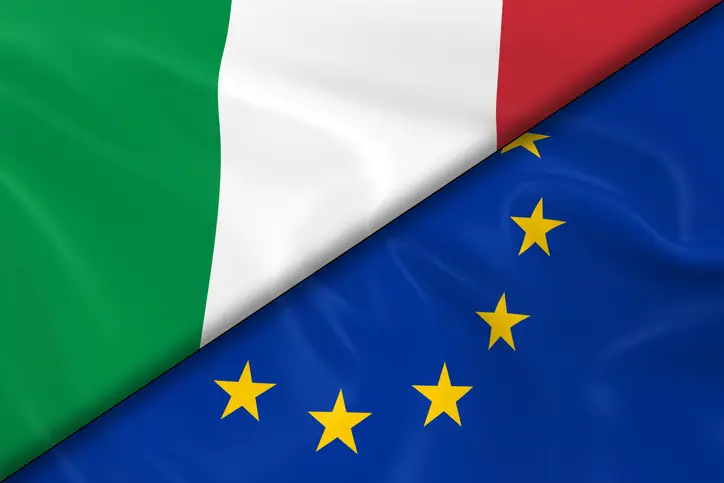
The Supreme Court reaffirmed: citizenship is born with the person.
- New legal front opened
- Processes can still be filed.
- Individual assessment before any decision.
Before Italians voted to get rid of the monarchy 75 years ago, the country was governed by House of Savoy, a royal dynasty that first rose to power in the western part of the Alps, in what we now call northwestern Italy and southeastern France.
The Savoys gradually expanded their rule until it extended across the entire Italian peninsula, becoming leading figures in the campaign to unify Italy into a single kingdom in 1861.
The newborn Kingdom of Italy It featured the coat of arms of the House of Savoy, a white cross on a red background, on top of the national flag we know today.
But wait: notice the blue border around that cross?
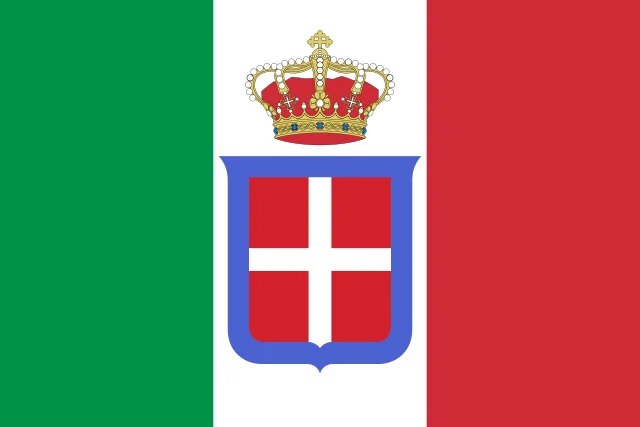
This is because blue was the third color of the House of Savoy: being devout Catholics, the dynasty invoked the protection of the Virgin Mary — traditionally depicted wearing deep blue — by adding the color to their red and white banners.
The specific hue—defined as “a saturated shade of blue between peacock blue and periwinkle”—became known as Azzurro Savoia, or 'Savoy blue'.
Then, a few decades later, when Italy began sending athletes to Olympic Games recently revived and created the first national football team, sports associations needed national colors. The options were green, red, white — or blue.
The initial choice was white. The first football team to represent Italy internationally, in 1910, played its first games in a white uniform with a small tricolor ribbon.
It was only in 1911 that the team adopted its new official uniform: blue with a red and white Savoy cross over the heart. They first used it in a match against Hungary on 6 January 1911 (which they lost 1-0).
White remained the football team's alternate color, as was the color worn by most Italian athletes at the 1912 Olympic Games.
But with the creation of Italian National Olympic Committee In 1914, a campaign began for all athletes representing Italy to wear the same uniform. At the 1932 Games in Los Angeles, the light blue uniforms — still with the Savoy cross — had become practically standard.
The design has undergone some modifications over the years. Benito Mussolini's fascists added their symbol, the Roman fasces (a bundle of sticks representing strength in unity) next to the coat of arms of Savoy.
At one point, Mussolini even insisted that the Italian competitors exchange their blue uniforms for black; Athletes alternated between black and blue uniforms at the infamous 1936 Berlin Olympics, as well as other events in the late 1930s.
The Constitutional Court's decision changed the landscape. The new citizenship law will now be reviewed by the European Union's courts of justice.
With the end of World War II and the fall of Fascism, Italy's uniform underwent further changes.
The 1946 referendum that turned Italy into a republic allowed the country to get rid of both the fasces and the Savoy cross from its uniforms.
The place of these insignia over the heart was replaced by a tricolor flag that adorns most national sports uniforms to this day.
The shade of blue in Italy also varied, from sky blue to navy blue and something close to turquoise. (It's worth remembering that Italy has a surprisingly large number of words for blue.)
White with blue trim remains the most common alternative uniform, but Italian athletes have also been seen wearing black or red uniforms (no green, for reasons we can only assume are aesthetic).
Variations are especially common in certain events—notably cycling, motor racing, skiing, skating, and other winter sports.









![Attorney Marco Mellone during oral arguments at the Court of Cassation in Rome, at the United Sections hearing on the 'child issue' | Photo: Reproduction/[source of the video]](https://italianismo.com.br/wp-content/uploads/2026/07/marco-mellone-100x100.jpg)