








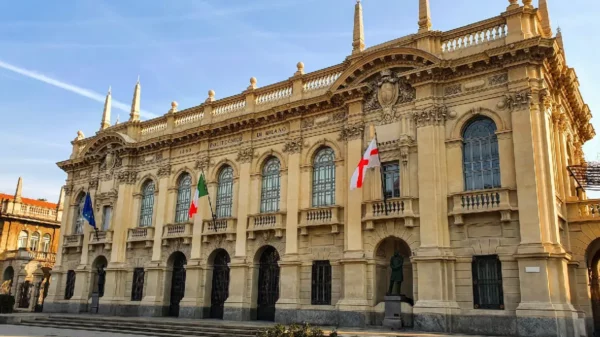

You can take everything away from Switzerland, but not democracy. While half the planet is in lockdown due to the coronavirus pandemic, the second round of administrative elections will be held regularly in Geneva next Sunday.
The example reflects well the paradox of the Swiss country, one of the hardest hit by the coronavirus, but which has so far implemented less rigorous measures than other European countries, starting with Italy.
The relationship between population and number of patients is among the worst in the world. The government has interrupted non-essential activities, but does not prohibit leaving the house.

The infection numbers
On Thursday night (3), 18.827 people in Switzerland fell ill with Covid-19 and 536 died. With a population of just 8,6 million, this is the worst index in the relationship between infections and inhabitants.
The relationship between population and number of patients is among the worst in the world: 1 infected person for every 452 individuals.
In Italy, the country with the most deaths from coronavirus and one of the most contaminated, the proportion is 1 infected person for 530 individuals.
In Switzerland, the virus spread very irregularly across the territory; the fact that the most affected areas (Geneva, Zurich, Canton of Ticino) are also those where cross-border movement is greatest (workers from France, Germany, Italy) has fueled for the umpteenth time the controversy over the use of foreign labor .
Brake and accelerator
To deal with this situation, the government in Bern closed all activities considered non-essential (starting with bars, restaurants and tourist facilities) and reduced transport to a minimum. It also banned public demonstrations and meetings with more than 5 people; it provides for fines of up to 100 francs for violators, but no criminal charges.
On the night between March 8 and 9, the borders were closed (although Switzerland is part of the Schengen Treaty), but at the explicit request of the authorities, border workers from Lombardy, the most infected region in Italy, remained with free access to the Swiss territory.
An essential measure, otherwise the local economy would have come to a standstill, starting with the health sector, which used 5 employees from Italy.
With information Claudio Del Frate / Corriere
FOLLOW-US



