































Have you ever heard someone say the expression “don't fare il portoghese“? Although it is not used much today, the phrase is still known in Italy.
Literally translated, it means “Don't pass yourself off as Portuguese” and its origin dates back to 1514.
The expression was used throughout the peninsula to refer to someone who benefited from a service without paying for it. Creating a stereotype that every Portuguese person is a deadbeat.
However, its origin is very different from the meaning given to the original expression.
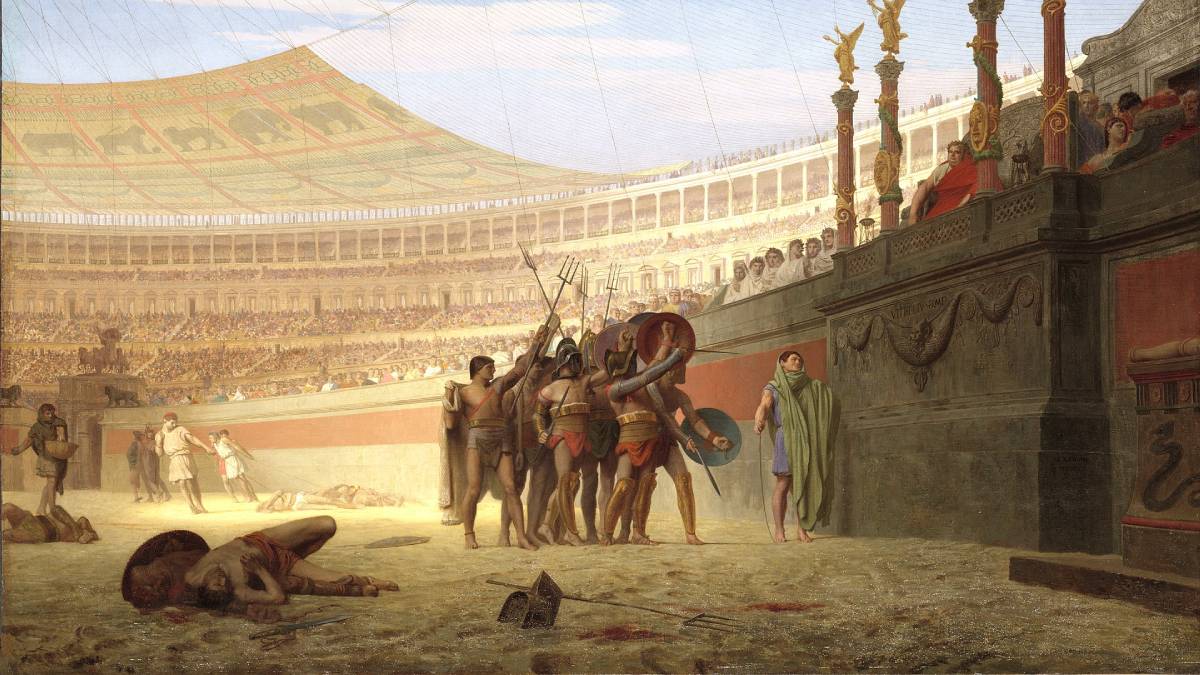
According to historians, the phrase arose after a historical event that occurred in Rome, when Portugal had a lot of influence in the world, and boasted of having an ambassador in capital of the world, where the shows were constant.
At this time, Portugal of the Discoveries received spices, pearls, gold, exotic woods and precious stones – many taken from Brazil.
Exotic animals, never seen in Europe, also arrived in Portugal, and to impress the newly elected Pope Leo, Dom Manuel sent a special gift containing jewelry and animals, such as monkeys, parrots, Persian horses, a panther, an elephant and a rhinoceros (which died during the journey).
As a token of appreciation, the Pope ordered that all Portuguese citizens be granted free entry to the festivities in Rome. No formal invitation was even necessary: they simply had to state their nationality as proof of identity.
As expected, upon learning of what had happened, Romans and citizens of other ethnicities arrived at the entrances to the shows and said “io sleep portoghese”, hence the expression “non fare il portoghese”.