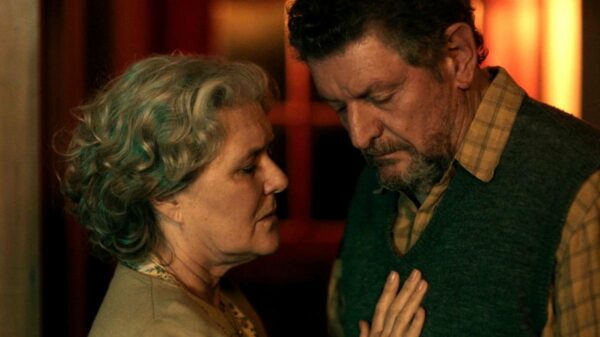



















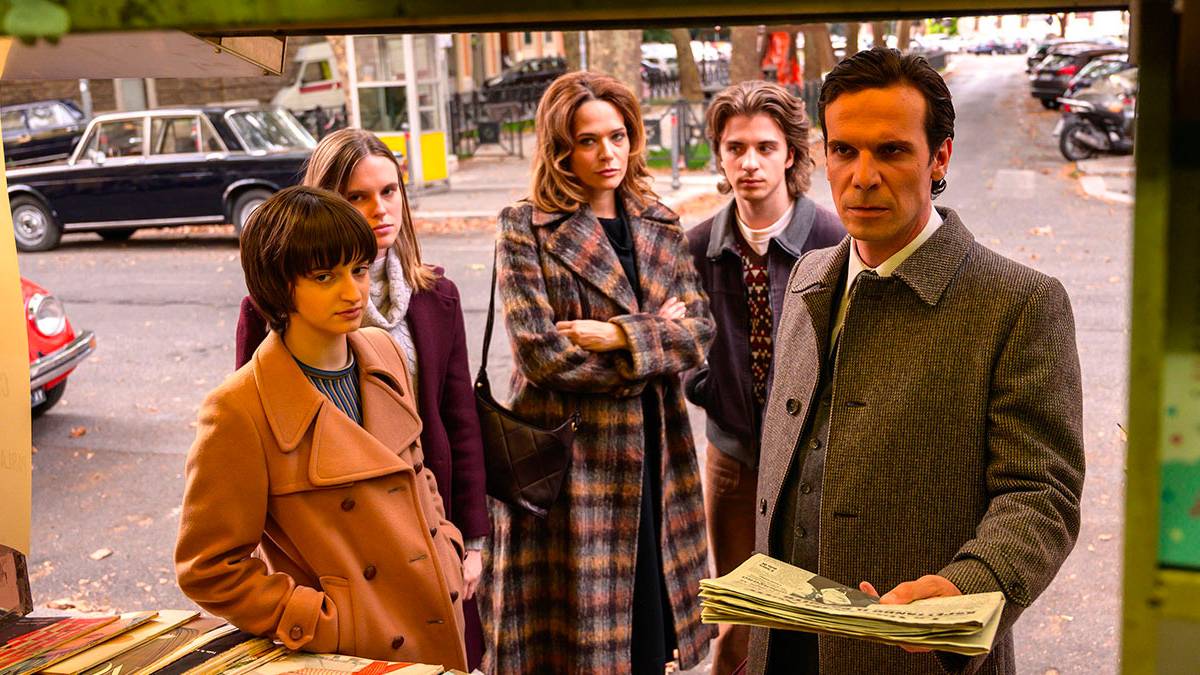
The story of jeweler Pierluigi Torregiani, killed by terrorist Cesare Battisti on February 16, 1979 in the name of the Armed Proletarians for Communism (PAC), it became a film in Italy and will have its premiere on January 24.
The work will be named “Ero in Guerra ma non lo sapevo” (“I was at war, but I didn’t know”, in free translation) and is based on the book of the same name written by Alberto Dabrazzi Torregiani (who became paraplegic due to the wounds suffered on the day of his father’s murder) and Stefano Rabozzi.
Torregiani, owner of a jewelry store in Milan, was killed because he was considered “guilty” by PAC members for having defended himself during a robbery at a pizzeria in which one of the criminals was killed.
He and his companion during dinner were armed and started the shooting that, in addition to killing Orazio Daidone, killed a merchant who was a customer there. The family has always claimed that it was not the shots fired by the Italian that killed the criminal.
The jeweler will be played by Francesco Montanari, who shows a very determined, almost “manic” man, turned into a “punisher” by the newspapers of the time and who needed a police escort. Next to him, a “trustworthy woman and three adopted children”.
At a certain point, with all the repercussion of the pizzeria incident, death threats against Torregiani increased and he became a “perfect target” of the PAC, which defined who should live or die if someone crossed their path in those leaden years. in Italy.
“Is my Torregiani an unfriendly man? He is, despite everything, because he finds himself forced to live in a dynamic that is stronger than he is and that he can no longer handle. Thus, he rebels and refuses to pretend that nothing is happening. He’s fundamentally a pragmatic man who doesn’t want to support something he’s not guilty of,” Montanari said of his character.
Alberto remembers that the recent extradition and life imprisonment of Battisti in Italy, after around 40 years on the run – many of them “refugee" in Brazil –, “it doesn’t completely close my father’s story, but it certainly gives more value to the battles we had”.
“And the film also shows how media lynching was the real driving force behind that homicide”, he concludes.
With information from Handle