


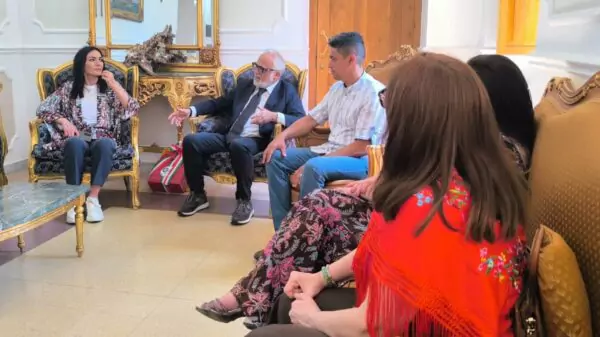




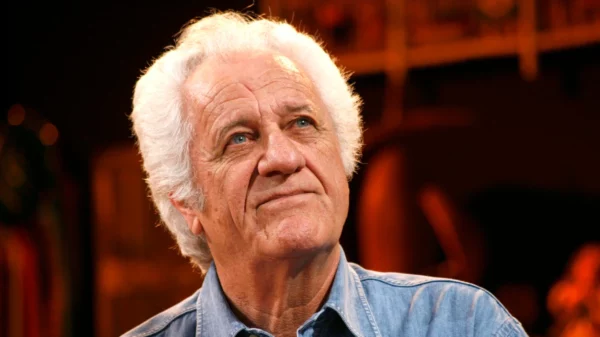
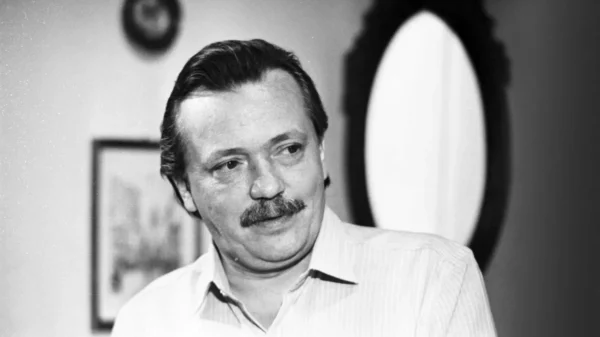












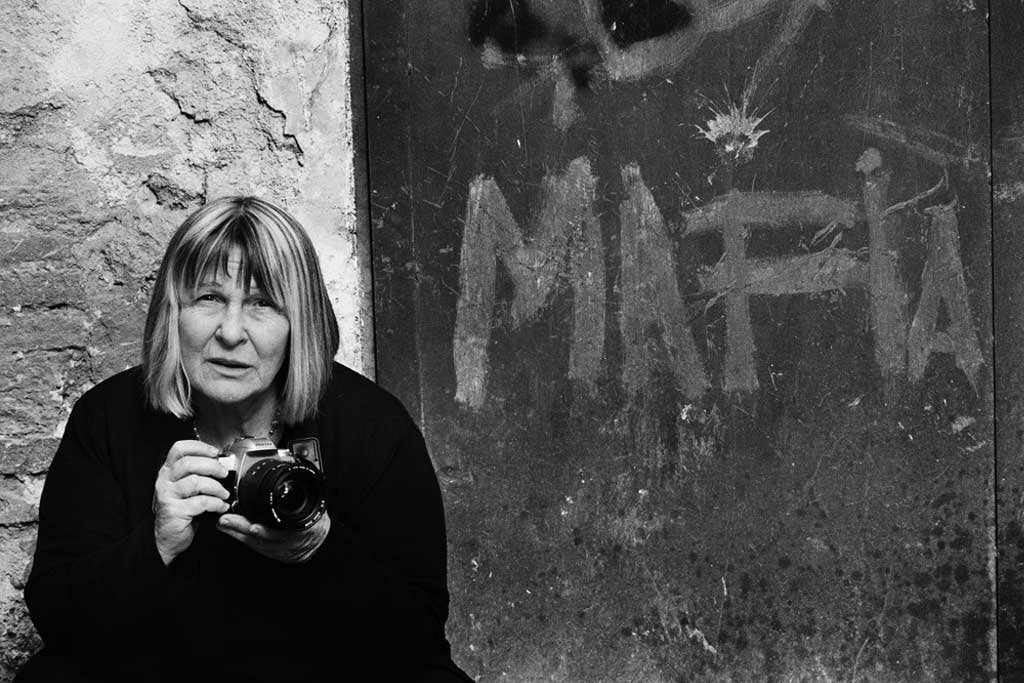
Images were captured by Letizia between the 1970s and 1980s
Letizia Battaglia is an internationally known name, associated, almost automatically, with the photographic record of the worst carnage carried out by mafiosi in Palermo, her hometown. Today, at 84 years old, the photographer reveals that she has dreamed several times of burning her negatives from the 1970s and 1980s, a period in which she remained active in confronting the violence committed by the Mafia, acting as a witness to this civil war between Italians.
Starting next Saturday (27), some of his most shocking images will be on display at the Instituto Moreira Salles (Av. Paulista, 2.424, Consolação, São Paulo).

The exhibition, 'Letizia Battaglia: Palermo', is accompanied by a catalog with images recorded mainly in the 1980s, precisely the most intense period of this war between mafiosos, which left trails of blood and a feeling of “disgust” in the photographer herself, astonished in the face of so much barbarity. The IMS catalog/book features texts by the exhibition's curator, Paolo Falcone, founder and artistic director of the Sambuca Foundation in Palermo, as well as critic Lorenzo Mammì, responsible for IMS programming in São Paulo.
There is also a third essay, by Leandro Demori, about the crimes of the Cosa Nostra photographed by Letizia Battaglia, from the first record, the murder of a farmer at the foot of a tree, in 1974, until the death of judge Giovanni Falcone, in May 1992, including the arrest of mobsters such as Leoluca Bagarella and the attack on Christian Democrat politician Piersanti Mattarella – killed by gunmen in front of his wife and daughter, in 1985.
Like Weegee, Letizia always arrived at the scene of the crime well before the police. A journalist, she began taking photographs out of necessity, to illustrate her own articles. Also like Weegee, Letizia always resorted to black and white – more realistic to record the history of Palermo's crimes, although with a formal focus different from the New York photographer, who was not cultured like the Italian photographer. Weegee, moreover, was not equally inclined toward ethics.
Letizia made photography an indisputable document. Aligned with progressives, she was a friend of Pasolini (1922-1975) and frequently cites the filmmaker as one of her references – the director appears in one of the photos in the book, at the Círculo Turati in Milan, in 1972. In addition to him, another image that testifies to the Letizia's appreciation for culture is that of the writer Leonardo Sciascia (1921-1989) with the painter Renato Guttuso (1911-1987) in Palermo, 40 years ago.
Sciascia was one of the great Italian authors to address the issue of political corruption in Sicily. His book The Day of the Owl reveals his aversion to fascism and denounces the network of assassinations ordered by mafiosos and powerful politicians. Sciascia represented for Italy what Roberto Saviano (read on this page) represents today with Gomorrah and The Boys of Naples. With one difference: Sciascia was a better writer.
Letizia fears that the glamor of the outcasts who appear in films based on Saviano's works could fascinate younger, poorer and unsuspecting viewers. Her concern for the boys seems legitimate. A pacifist, she doesn't like it when someone says she uses the camera as a weapon. To this day, she can still smell the blood of the victims of the violence she photographed. She also remembers each face tortured by humiliation, poverty and fear.
Once, he entered a humble house in Palermo where a child had just died. She was accompanied by Franco Zecchin, the fellow photographer who with her captured the Mafia's escalating violence in the 1980s. Zecchin tried to capture the general atmosphere. She got close to the face of the boy's alcohol-dependent mother and her truculent, threatening husband. Letizia registered a tear falling from the woman's face. There are several ways to face suffering. She chose to be discreet. Respect, understanding and involvement are her three commandments. “Photographers can't change the world, but, like a good book, they can be a little spark,” she likes to say. Her book, which also features lyrical photos of the world of children, is proof of this purifying fire.
By Estadão Content