













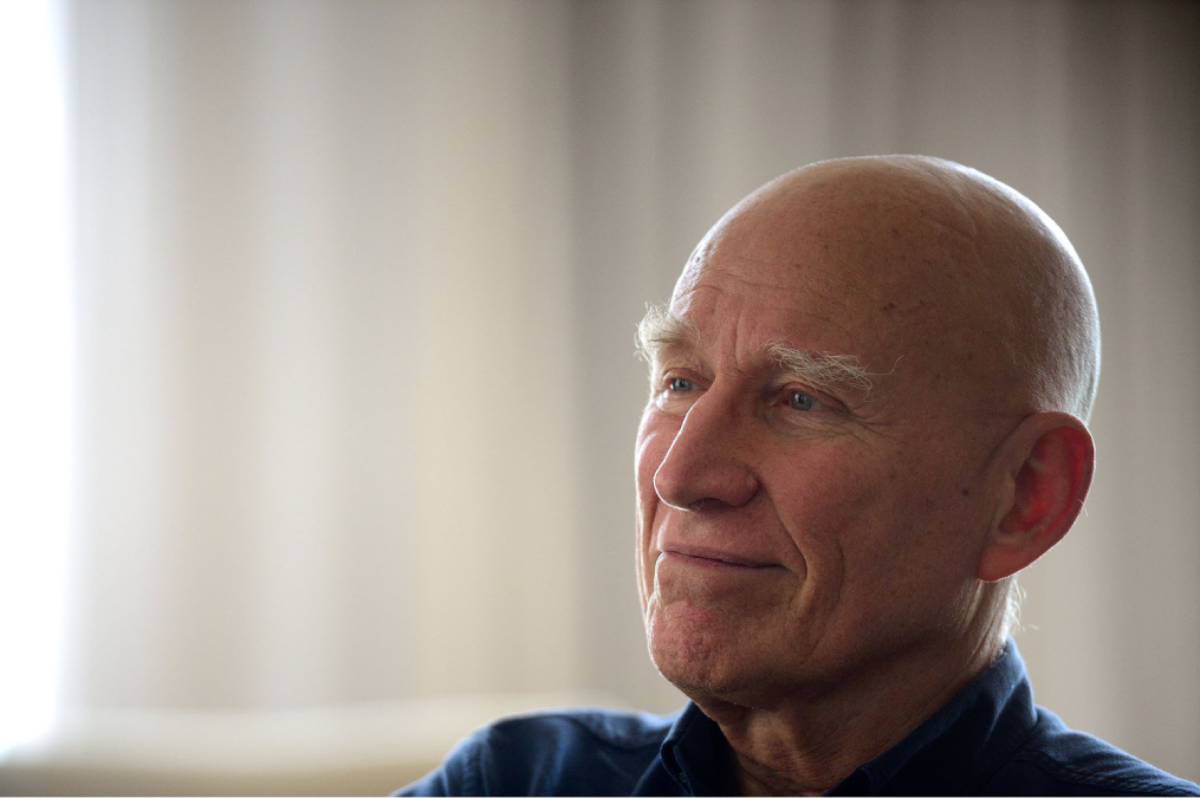
In 1993, Sebastião Salgado began his photographic, physical and existential journey in the galaxy of migrations: in six years, the Brazilian journalist traveled four continents with works that capture departures and arrivals, and refugee camps where millions of people live an uncertain fate.
Since then, the map of the world seems transformed, but the exodus of entire populations is very current, and the conditions of refugees or migrants represent a scenario that takes on increasingly global dimensions.
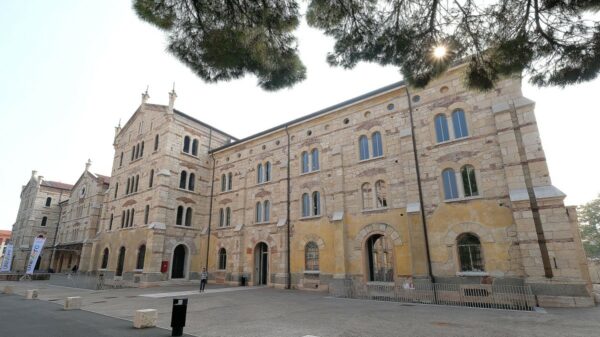
On the occasion of the Festival of Cultures, Salgado's photographs will be on display, between this Friday (22) and June 2, at the Ravenna Art Museum (MAR), in Italy.
Through 180 photographs, the exhibition “Exodus – Humanity in motion”, curated by the artist's wife, Lélia Wanick Salgado, is made up of several sections of a geopolitical nature.
The first, “Migrants and refugees: the survival instinct” deals especially with the common motivations of refugees: poverty and violence, the dream of a better life and hope.
The second, “The African tragedy: a continent adrift” focuses on the trauma of suffering and despair of people marked by poverty, hunger, corruption, despotism and war, although Africa is a continent with such a history important for humanity.
The third, “Latin America: rural exodus, urban disorder” narrates a part of the world marked by the migration of tens of millions of peasants, driven by poverty, to urban areas such as Mexico City and São Paulo, surrounded by slums.
The section “Asia: the new urban face of the world” focuses on the mass exodus from rural poverty to the creation of megalopolises where migrants live in precarious conditions, even though they believe they have taken a step towards a better life.
To close the exhibition, there is a room dedicated to portraits of children, representing tens of millions more found in communities, refugee camps and rural settlements in Latin America, Africa, Asia and Europe. (HANDLE).