









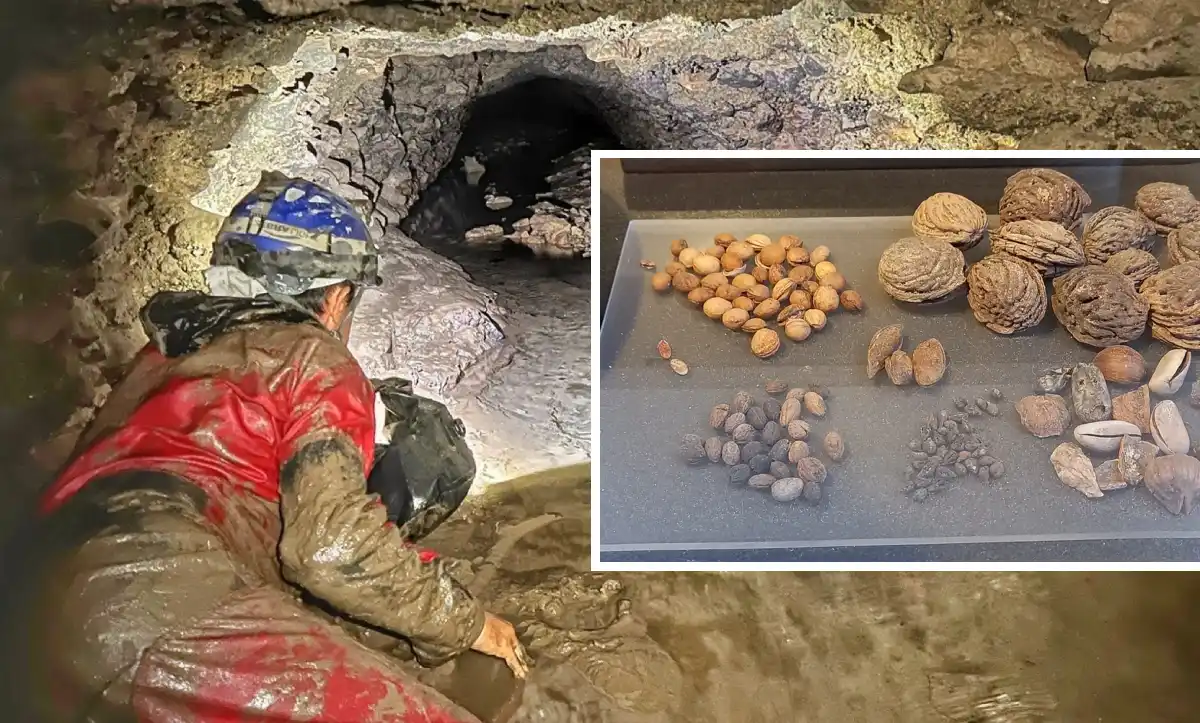
The Colosseum Archaeological Park in Rome has presented the first results of a groundbreaking study analyzing the hydraulic and sewage systems of the more than two-thousand-year-old structure, providing an unprecedented snapshot of daily life inside the Roman monument.

Among the findings were remnants of food that had been consumed by the public. The study showed that these were mainly cooked meats prepared over a brazier, some pizzas and vegetables, and even some fruit scraps.
Bone fragments of ferocious animals used in battles were also found - such as bears, lions and leopards -, but also of dogs, including small Basset Hound and Daschund breeds, placed inside the arena to be hunted in the so-called deer - which entertained the Romans as well as fights between gladiators.
Furthermore, the researchers found a gold coin with the face of Emperor Marcus Aurelius, minted for a celebration that took place between the years 170 AD and 171 AD, and found among around 50 “poorer” coins inside the sewer.
However, the issue of naumaquias, the mythical battles with boats inside the Colosseum, remains a mystery. It is not possible to say whether the amphitheater was actually filled with water or whether they were just representations of battles that took place elsewhere.
“It’s too early to say. Archaeology is a slow discipline, and now it will be necessary to create a system, integrating archaeological data, including that collected on the high walls of the hypogeum, with specifically hydraulic data. Without neglecting the ancient sources, which, from Marziale [poet], through Suetonius [writer] and Dio Cassius [historian], have never been fully explicit,” explains the archaeologist responsible for the Colosseum, Federica Rinaldi, who coordinated the research with the Roma Sotterranea team and the architect Fabio Fumagalli.
The director of Coliseum Archaeological Park, Alfonsina Russo, explains that the initial objective of the project was to better understand the functioning of the amphitheater's old sewers and hydraulic systems.
The group's investigation began in January this year and was carried out until August and focused, as explained by one of those involved in the project, Martina Almonte, on the south collector of the Coliseum, which had been blocked and out of use since at least 523 AD, when the The structure went from being an amphitheater to being used in very different ways, such as a condominium and a fortress that housed a hospital.
In the period that began thereafter, work on the Coliseum they involved removing the marble pieces for use in other structures and abandoning the entertainment part and everything that ended up falling into the sewer remained “intact and frozen for centuries” in that water outlet that was no longer useful. (HANDLE).
FOLLOW-US



