

































Italy, with its rich regional diversity, is not limited to the socioeconomic and climatic differences between the North and the South. It also embraces a variety of culinary habits that reflect the peculiarities of its regions.
Talking generally about Italian cuisine is oversimplifying the complex reality that is Italian gastronomy, made up of 20 distinct administrative regions.

In the north of the country, historical influences from France and Austria, as well as the proximity to the Alps, shape the cuisine. The famous breaded steak is not very different from the Austrian schnitzel, for example.
On the other hand, Southern Italy is bathed by the Mediterranean, has a mild climate and was historically influenced by the Spanish royal house of Bourbon. It was in Naples, under this influence, that tomato sauce was created or improved, after the arrival of the red fruit from the Americas via Spain.
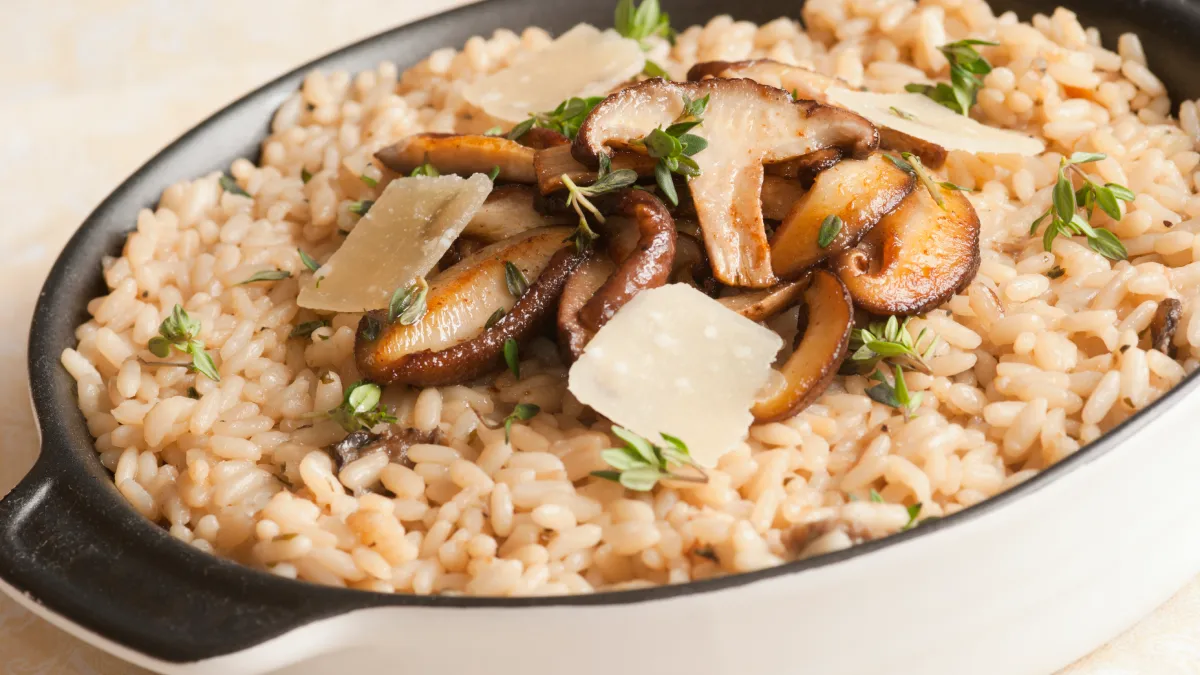
It's no surprise that fish, seafood, vegetables and fresh fruit dominate Southern tables, while the North prides itself on ingredients like porcini mushrooms, truffles and risottos.
Geography also plays an important role. The South is crossed by the Appennini, a mountain range that limits animal husbandry and, therefore, bases its cuisine on vegetables, cereals and olives.
The variety of pasta is an example of regional differences. The South of Italy consumes much more pasta than the North. Regions like Puglia are famous for producing grano durum pasta, a type of wheat with a firm texture that keeps cooking al dente.
Tagliatelle, a wide cut of pasta, illustrates regional differences well. In the North, in Emilia-Romagna, it is the “official” format for Bolognese sauces and pork and game meat ragus. In the South, especially in Puglia, Campania and Calabria, tagliatelle is combined with seafood such as vongole, mussels and prawns, or with fresh fish in tomato-based sauces.
Despite the variations, Italian cuisine across the country shares the simplicity of the recipes and the emphasis on the seasonality of the ingredients. Local products are the basis, and many ingredients and preparations are exclusive to their regions of origin.
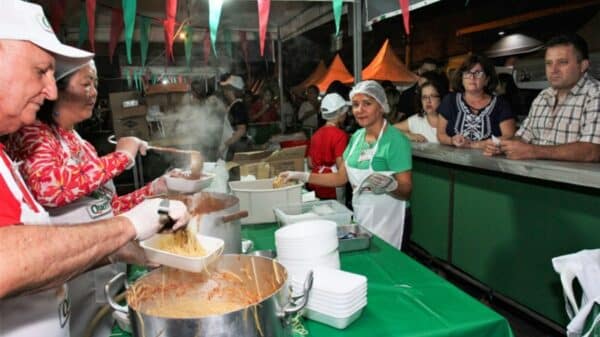
Amid the fast pace of modern life, Italians continue to cook at home, passing down family recipes from generation to generation. Favorite dishes are not born in sophisticated restaurants, but in home kitchens.
As summarized by the Italian chef Gino d'Acampo, based in the United Kingdom and a TV star, the essence of Italian gastronomy lies in its simplicity: “Many people believe that Italian food is tasty because it has many ingredients. But they don't understand that the reason it's tasty is that it has fewer ingredients than any other cuisine.” (Photo: Depositphotos)
FOLLOW ITALIANISM