




























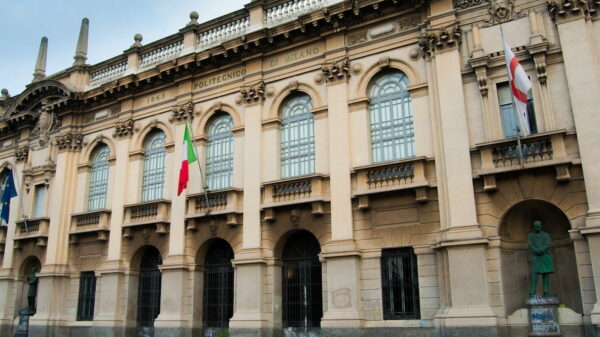


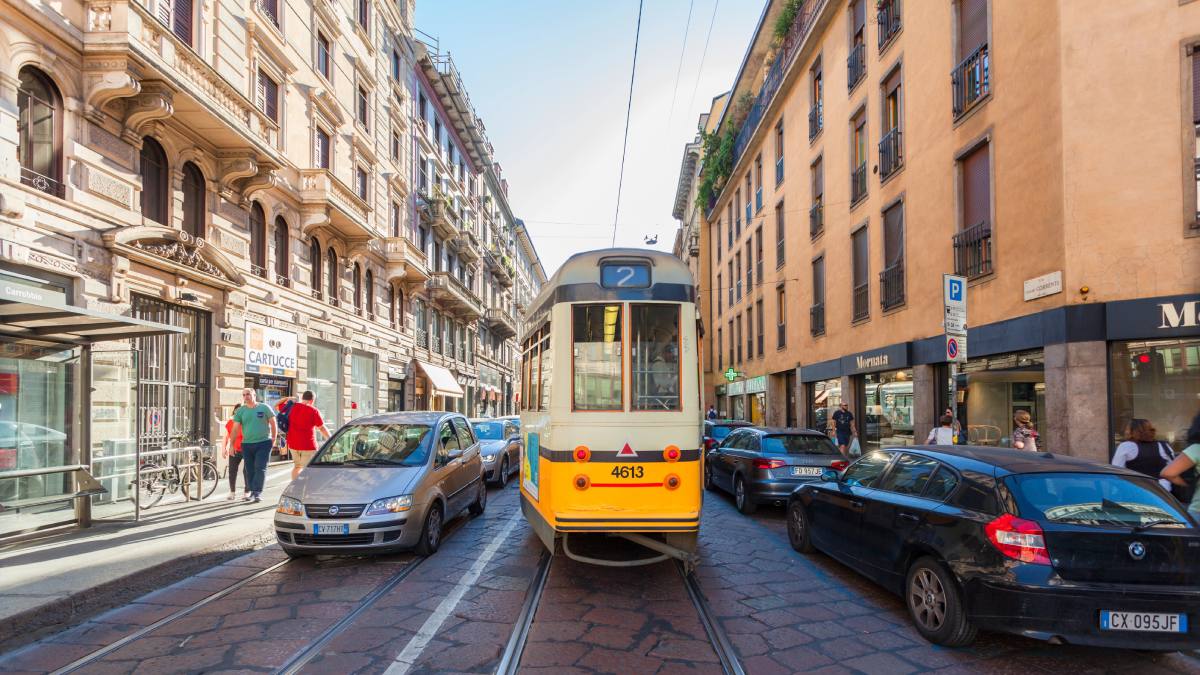
Milão mantém, de forma geral, seu patamar populacional de 1,4 milhão de habitantes, praticamente estável em relação ao ano anterior. Contudo, os números revelam uma profunda mudança: nos últimos dez anos, 26% dos residentes foram substituídos.
Esse dado instiga reflexões sobre as diferenças entre os milaneses de longa data e os recém-chegados — inclusive em termos de renda, por exemplo.

Na sexta-feira, o prefeito Beppe Sala publicou em seu perfil no Instagram os dados do Registro Civil que ilustram a cidade. Entre os “milaneses”, 21,3% não possuem a cidadania italiana – um recuo discreto se comparado aos 22% de três anos atrás.
Além disso, a idade média dos habitantes é de 46 anos, com uma parcela impressionante de mais de 40% de solteiros ou não casados. O número de ultracentenários chega a 487, enquanto as mulheres compõem 51,3% da população, percentual que se acentua com o avanço da idade.
A tendência, entretanto, não é apenas de mudança demográfica, mas também de retração no número de nascimentos. Em 2024, nasceram apenas 8.795 bebês, ecoando o declínio observado em todo o país.
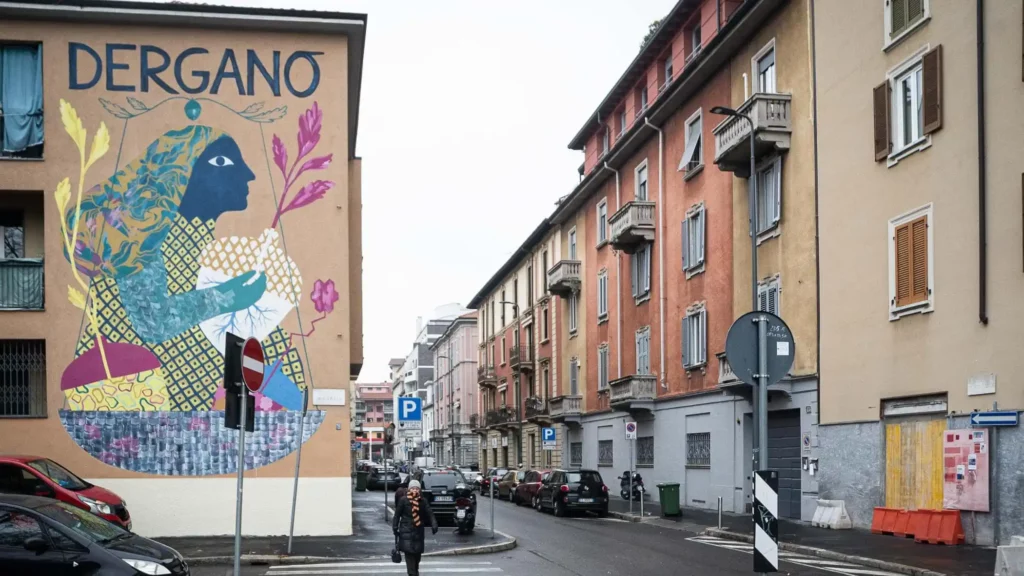
No quesito juventude, o bairro de Dergano se destaca: superando San Siro, a região, situada na área das Casas Aler, abriga dois em cada dez moradores com menos de 19 anos e conta com 57% de residentes com origens estrangeiras.
A diversidade também se evidencia na composição das comunidades imigrantes. Hoje, a presença de egípcios em Milão ultrapassa, de longe, a dos filipinos, seguidos por chineses, bengalis, romenos e peruanos. Essa dinâmica reforça o caráter cosmopolita da cidade, que atrai, sobretudo do exterior, mais pessoas do que consegue afastar – mesmo diante dos preços elevados dos imóveis e do impacto do home office.
No balanço do Registro Civil, a taxa média de novas inscrições é de 3,4%, enquanto os cancelamentos giram em torno de 2,6%; vale destacar, porém, que os cancelamentos cresceram 18,5% nos últimos cinco anos.
Milão já somou 1,7 milhão de habitantes no passado
O histórico demográfico de Milão também tem suas nuances. Nos anos 70, a metrópole industrial atingiu seu ápice, ultrapassando rapidamente 1,7 milhão de habitantes, para depois entrar num prolongado inverno demográfico.
Em 2019, o símbolo dos 1,4 milhão de residentes foi recuperado, embora temporariamente perdido, apenas para ser ultrapassado novamente num ritmo muito mais acelerado do que o previsto – havia quem afirmasse que esse patamar só seria alcançado novamente a partir de 2036.
Enquanto a população se transforma, mudanças igualmente profundas ocorrem em outros setores. Segundo a Câmara de Comércio, em apenas dois anos, 20% das bancas de jornais trocaram de proprietário.
Lojas históricas e pequenos estabelecimentos vêm fechando suas portas após décadas de atividade, dando lugar, muitas vezes, a redes e marcas internacionais. Na última sexta-feira, por exemplo, um dos sapatilhos mais antigos de Milão, que ocupava seu “cantinho” na via Appiani por 50 anos, encerrou repentinamente suas atividades, deixando apenas um cartaz que anunciava: “Fechado por encerramento de atividade”.
Newsletter
Últimas do Italianismo
Todo dia, às 18h, um resumo do que aconteceu na Itália direto no seu e-mail.
É gratuito e você cancela quando quiser.