































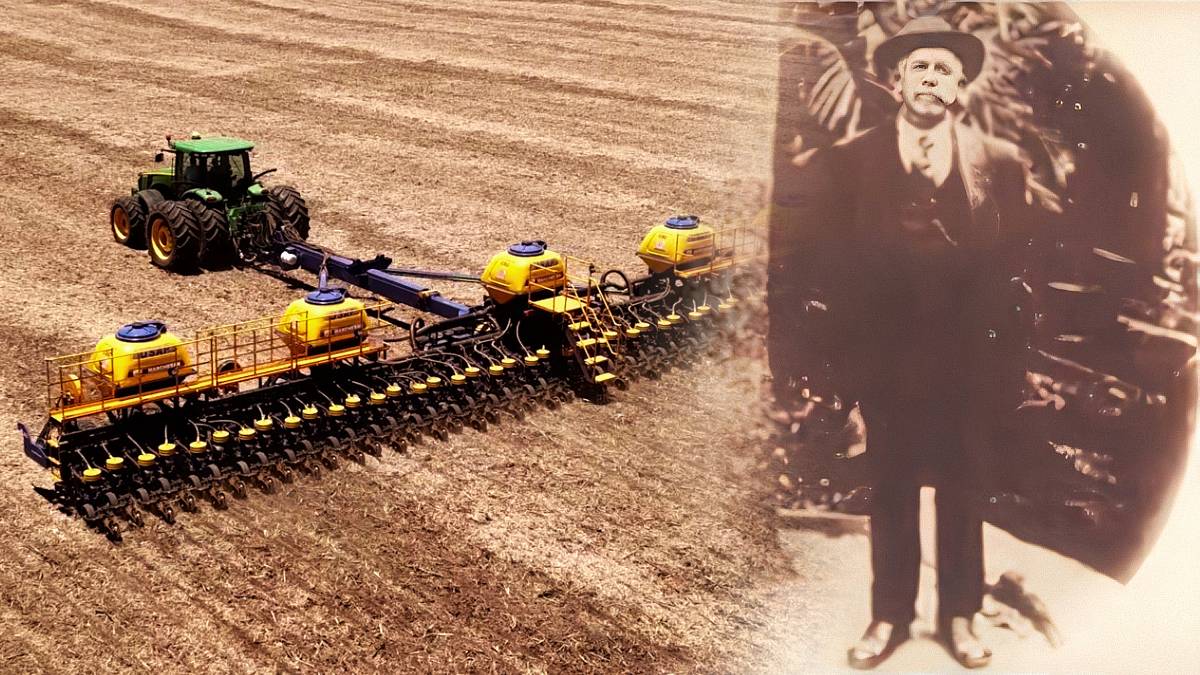
the italian Giovanni Marchesan arrived in Brazil in 1896. His family founded the largest agricultural implements and machinery company in Latin America.
The story of this family of entrepreneurial immigrants begins with the arrival of the patriarch Giovanni at the port of Santos, in the year 1896. He came from the city in Italy where he was born, the commune of Godego Castle, in the province of Treviso, region of Veneto.
Then, Giovanni Marchesan headed towards the interior of São Paulo, to work on the construction of railways between Jaboticabal and the ancient location of Porto Taboado.
The young immigrant lived in Enough and in the regions of Valinhos e Campinas, before deciding to live in Matão, always in the interior of the state of São Paulo. He was already married to Marieta, a young woman he met at ship trip between Italy and Brazil.

The Supreme Court reaffirmed: citizenship is born with the person.
- New legal front opened
- Processes can still be filed.
- Individual assessment before any decision.
Giovanni and Marieta had three children: José, Guilherme and Alexandre. José married Zaira Bocchi and they had four children: Orlando, Armando, Yolanda and Luiz.
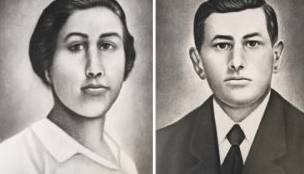
However, the four children were orphaned early, as Zaira died at the age of 29 and José also died, five years later, at the age of 36.
Marchesan brothers go to work
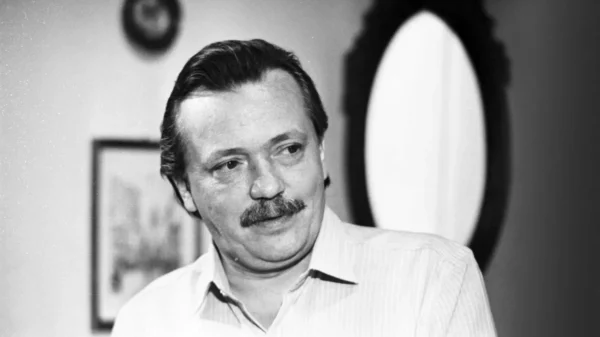
The four brothers, grandchildren of Giovanni Marchesan, still teenagers, began to be raised by their paternal uncles. They studied, grew up and started working. Armando and Luiz got a job in a cart factory.
At the age of 14, Luiz already mastered the art of blacksmithing, while Armando, at the age of 19, strengthened his carpenter skills.
In 1946, the two brothers decided to start their company. To do this, they rented a shed and bought materials from a traveler to improve their cart and buggy factory.
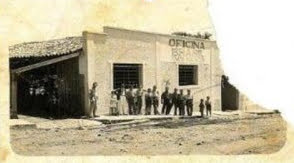
On November 25, 1946, with a share capital of CR$ 20.000,00, they formally established the Marchesan Brothers Brazil Workshop.
In the beginning, production was entirely focused on spring carts and buggies. Within a few months, Oficina Brasil was already delivering around ten carts a week, with the work of four people, including the brothers.
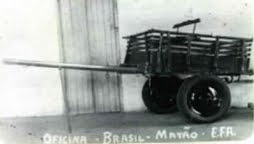
Little by little, the sales volume grew and carts and carts began to be shipped to the north of Paraná.
Market dictates growth
Attentive to the market and farmers' needs, brothers Armando and Luiz Marchesan expanded the product line and began manufacturing agricultural implements animal tractionas the plows, disc harrows e hoe cultivators.
With the increase in demand for products, the use of recycled steel gave way to steel sheets, which at the time were imported. The artisanal work instruments were gradually replaced by larger machines.
In January 1952, Oficina Brasil changed its name to Marchesan Brothers Ltd. And in 1963 the factory left its facilities in the center of Matão for the Bambozzi StreetNumber 430.
At this stage, the company began producing implements for tractors, following developments in the mechanization of agriculture, which at the time began work with mechanical traction.
In 1955, the anvil symbol, previously adopted by the company, gave way to the Tatu brand, associated with soil cultivation.
Crises and overcoming
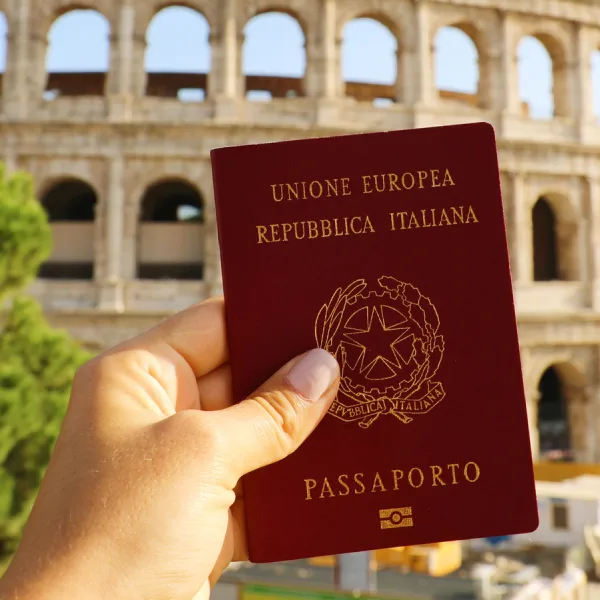
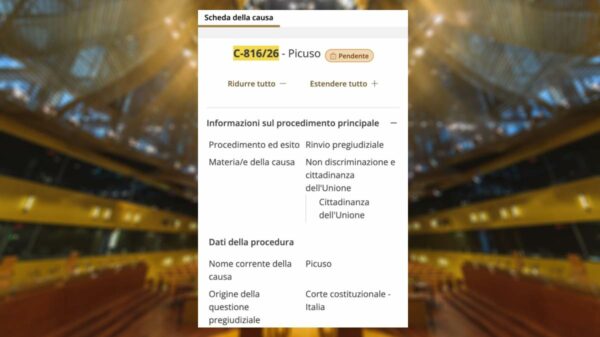
The Constitutional Court's decision changed the landscape. The new citizenship law will now be reviewed by the European Union's courts of justice.
In the following years, the company faced crises in agriculture and steel supply, however, it continued to gain ground. On January 20, 1967, Irmãos Marchesan became Marchesan Implementos e Máquinas Agrícolas Tatu S/A.
From the end of the 1960s, Marchesan began a restructuring process that projected the company into the foreign market, initially meeting the demand of farmers in the Paraguay.
In 1970, the company had 180 employees and its administrative profile also underwent adjustments to meet growth demands.
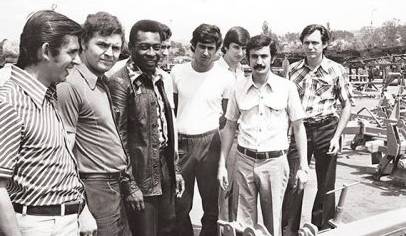
Its dealer network was expanded throughout Brazil and exports expanded to other countries in Latin America.
In the 1980s, exports expanded to the rest of the American continent and countries in Africa and the Middle East.
In 1986, sales abroad represented almost 20% of Marchesan's production and reached 23 countries. It was already largest company in the sector in Latin America and third largest in the world.
Legacy of Giovanni Marchesan
In January 2011, Marchesan's management underwent another stage of modernization with the creation of the Board of Directors, which strengthened the Corporate Governance rules and encouraged the process of professionalizing management.
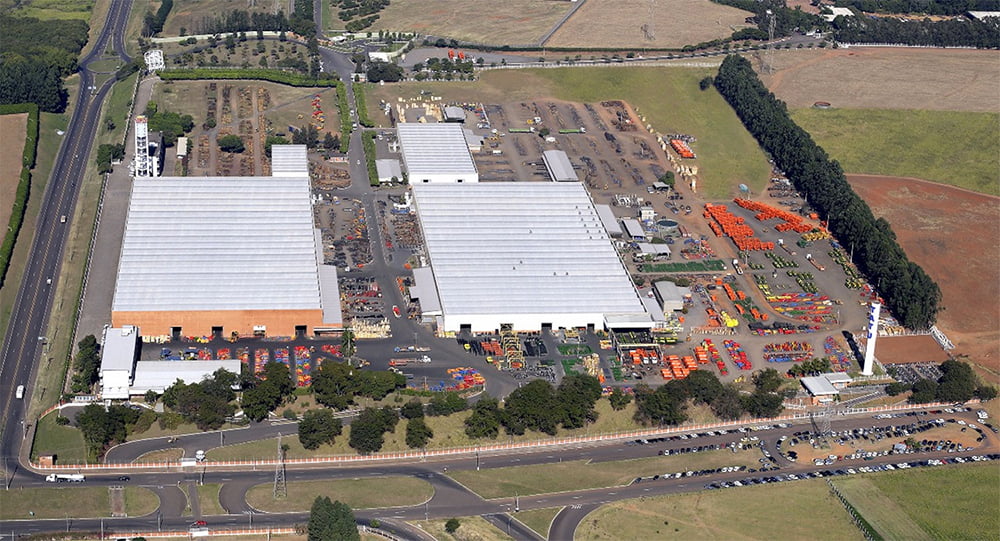
Today, with José Luiz Alberto Marchesan, son of Luiz Marchesan, as president of the Board of Directors, the company exports to more than 70 countries around the world and is located in an area of 805 thousand square meters in Matão, including modern proving grounds.

The businessman Luiz Marchesan died on July 19, 2020, in Matão, aged 92. The industry keeps the family dream formed by Giovanni Marchesan, transformed into reality with the labor force, which no stroke of fate could overthrow.
By Roberto Schiavon/Italianism