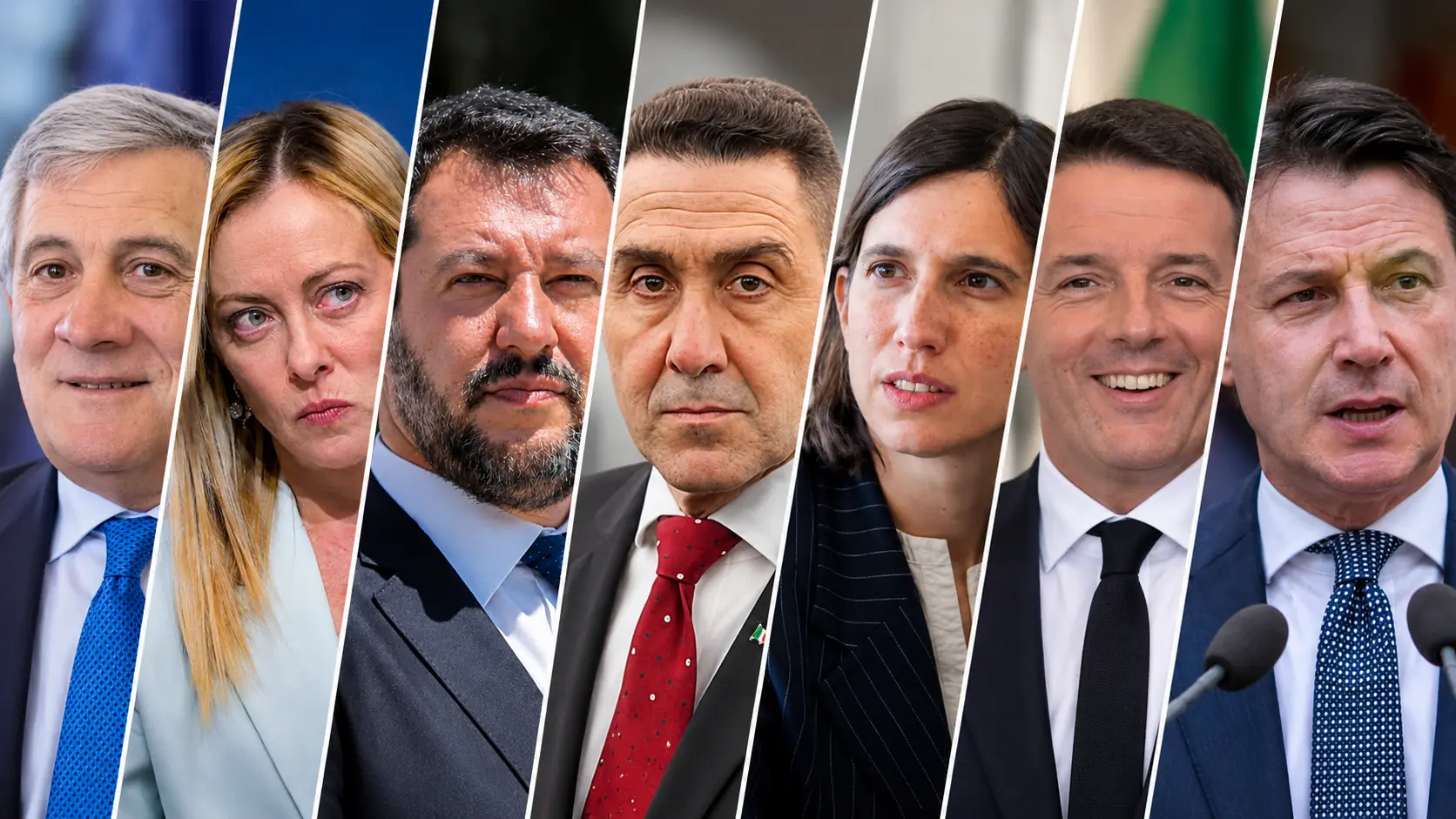
Italy is heading toward the 2027 parliamentary elections, likely in April or May, with a consolidated right-wing government and an opposition trying to overcome its differences to compete for power. At the center of this contest are Prime Minister Giorgia Meloni and the leaders of the main opposition parties, Elly Schlein and Giuseppe Conte.
Italy’s political landscape, however, is more complex than a division between right and left. The governing coalition brings together national conservatives, nationalists and center-right liberals. The opposition includes social democrats, environmentalists, populists and reformists.
The differences emerge on issues such as taxes, wages, immigration, citizenship, civil rights and relations with the European Union.
For Brazilians with family ties to Italy, the discussion over citizenship became even more important after the 2025 reform, which restricted recognition by descent.
Meet the leading figures in Italian politics and their positions.
Comparisons with Brazilian parties are ideological approximations, not official equivalencies or alliances between parties.
The Italian right
The conservative camp includes the prime minister’s party, its coalition allies and a new force competing for space on the right.
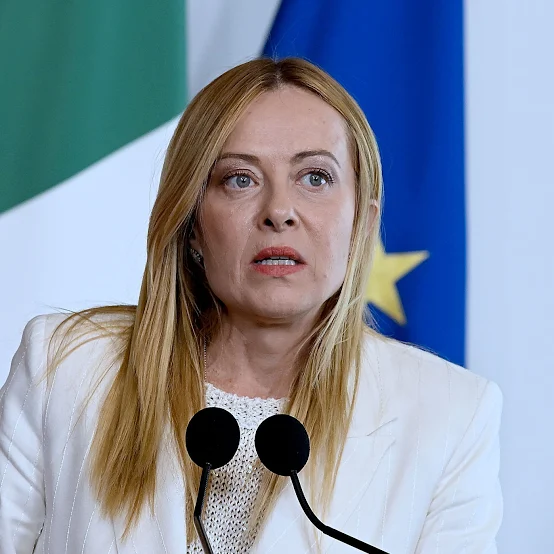
Giorgia Meloni: nationalism, conservatism and immigration control
Giorgia Meloni has governed Italy since October 2022. Leader of Fratelli d’Italia, she is the leading representative of the Italian right and seeks to combine conservative policies with a pragmatic approach to international relations.
She advocates combating irregular immigration, strengthening borders, incentives for higher birth rates, support for businesses and preserving traditional family-related values.
Despite her criticism of Brussels bureaucracy, she keeps Italy aligned with the European Union and NATO. Her government also provides military and financial support to Ukraine.
On citizenship, the Meloni government promoted the 2025 reform, which restricted the transmission of Italian nationality to certain people born abroad. The new rules directly affected families of descendants of Italians, especially in the Americas.

Matteo Salvini: strict borders and lower taxes
Matteo Salvini, deputy prime minister and infrastructure minister, built his national profile on rhetoric opposing irregular immigration and criticizing the European Union’s migration policies.
He advocates deportations, greater border control, tax cuts and an economic policy favorable to self-employed workers and small businesses.
One of his main proposals is the expansion of the flat tax, a tax system with a single rate.
Salvini also opposes easing citizenship rules for foreigners residing in Italy.
Although it is part of the same coalition as Meloni, the Lega has differences with Fratelli d’Italia, especially in its relationship with European institutions.
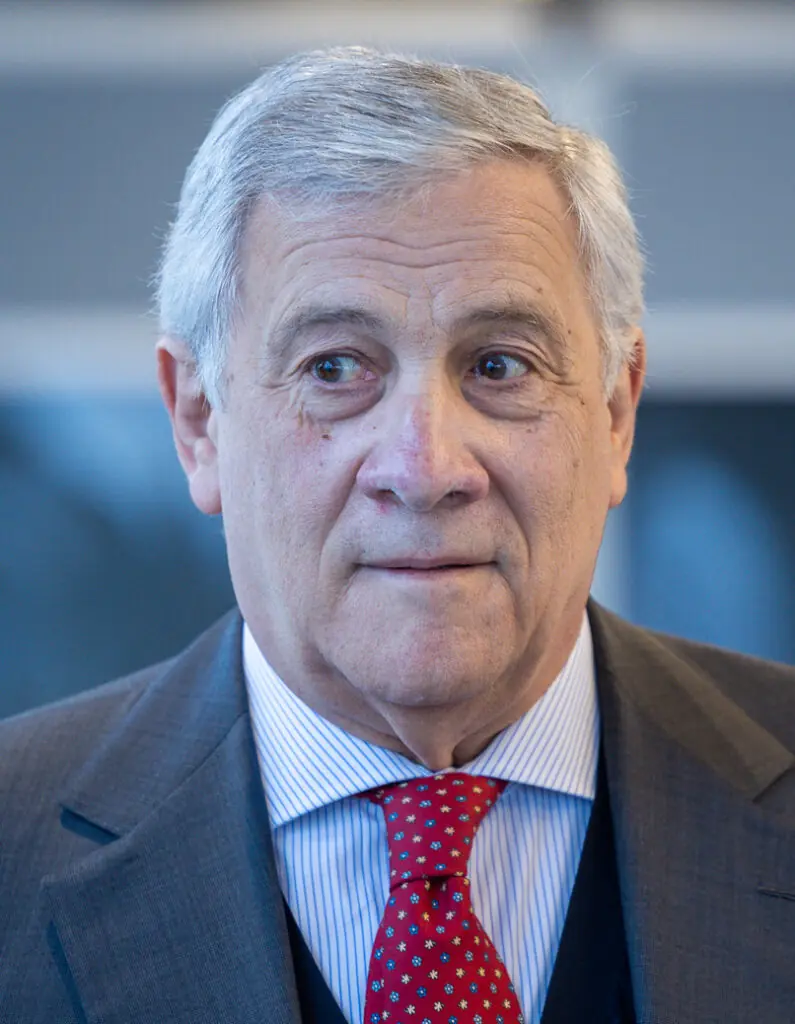
Antonio Tajani: the moderate wing of the right
Antonio Tajani, foreign minister and deputy prime minister, represents the more moderate wing of the governing coalition.
The political heir to the party founded by Silvio Berlusconi, he supports private enterprise, lower tax burdens, European integration and close relations with the United States.
On citizenship, Tajani differs from Meloni and Salvini by accepting a reform based on ius scholae.
The proposal would make it easier for certain young foreigners who have attended Italian schools to gain citizenship, subject to requirements defined by law.
This openness, however, is not equivalent to supporting a broad review of the restrictions imposed in 2025 on citizenship recognition by descent.

Roberto Vannacci: the far right outside the coalition
A former Army general and member of the European Parliament, Roberto Vannacci founded Futuro Nazionale in 2026 after breaking with the Lega.
His party advocates even more restrictive policies on immigration and the granting of Italian citizenship.
Its proposals include requiring 20 years of legal residence to apply for naturalization, Italian language proficiency at the C1 level and a declaration of assimilation into Greco-Roman and Christian traditions.
Vannacci also supports remigration policies and conservative positions on family and civil rights.
In foreign policy, he opposes the continued provision of Italian military aid to Ukraine and advocates resuming energy relations with Russia.
In October 2026, Meloni ruled out an electoral alliance with his party. Vannacci’s citizenship proposals are not laws currently in force.
The Italian left

Elly Schlein: social rights and opposition to Meloni
Elly Schlein is secretary of the Democratic Party, the main parliamentary opposition force.
She supports creating a legal minimum wage, more investment in public health care and education, environmental policies and expanded civil rights.
Schlein also supports recognition of the rights of families formed by same-sex couples and measures to combat discrimination.
On immigration, she supports integration policies and legal pathways for entering the country.
On citizenship, she supports initiatives that make it easier for resident foreigners to become naturalized and for young people born or educated in Italy to gain nationality.
She was one of the leading advocates of the referendum held in June 2025, which proposed reducing from 10 to five years the period of legal residence required for certain foreigners to apply for citizenship. The vote did not reach the quorum required to take effect.
Giuseppe Conte: social protection and criticism of sending weapons to Ukraine
Giuseppe Conte governed Italy between 2018 and 2021, first with a coalition between the Five Star Movement and the Lega, and later with the Democratic Party and other parties.
Today, he leads the M5S and is one of the leading figures in the opposition to Meloni.
He supports social protection policies, a minimum wage, investment in public services and support mechanisms for low-income people.
One of his main differences with the Democratic Party is on foreign policy.
In September 2026, 91.7% of M5S members who took part in an internal vote supported the position against continuing to send weapons to Ukraine.
On citizenship, the movement does not hold a position as uniform as that of the Democratic Party. Conte also took a less explicit stance in support of the 2025 referendum.

Nicola Fratoianni: income redistribution and workers’ rights
Nicola Fratoianni represents one of the factions furthest to the left in the Italian Parliament.
He supports more progressive taxes, combating job insecurity, expanding public services and income redistribution policies.
He favors a minimum wage and measures to protect workers.
He also supports more inclusive migration policies and changes that make it easier for foreigners integrated into society to access Italian citizenship.
In foreign policy, he tends to take positions critical of increased military spending and to advocate diplomatic solutions to international conflicts.

Angelo Bonelli: climate, clean energy and social justice
Angelo Bonelli is one of Italy’s leading environmentalist figures.
He shares political leadership of the Greens and Left Alliance with Fratoianni, bringing together social and environmental proposals.
Bonelli supports expanding renewable energy, reducing the use of fossil fuels and more ambitious policies to combat climate change.
He also supports measures to reduce inequality, expand civil rights and improve access to housing.
On immigration and citizenship, he favors more inclusive legislation and integration policies.
The centrist leaders
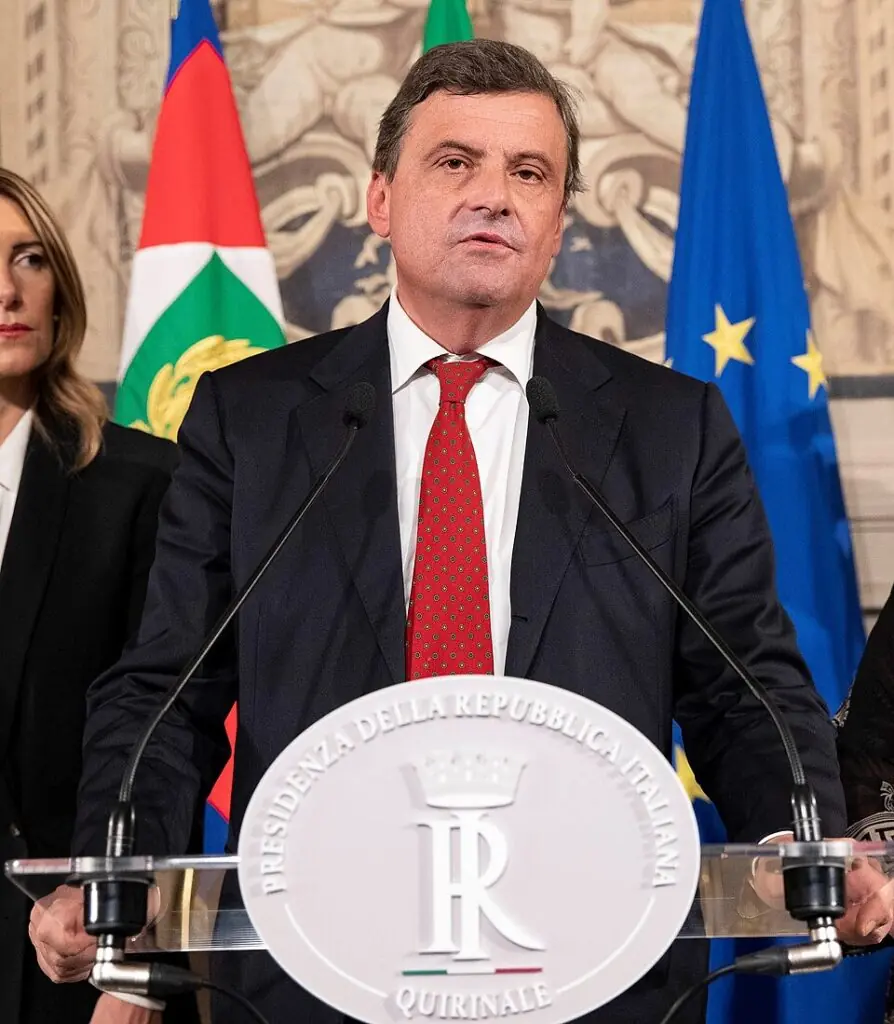
Carlo Calenda: industry, reforms and pragmatism
A former economic development minister, Carlo Calenda supports policies to strengthen industry, investment in infrastructure, nuclear energy and modernization of public administration.
He favors European integration and a stronger role for Italy on the international stage.
Calenda also supports creating a minimum wage but rejects the idea that all political decisions should be determined by the traditional divide between right and left.
His party maintains an independent position in relation to the main coalitions.

Matteo Renzi: economic liberalism and institutional reforms
Prime minister between 2014 and 2016, Matteo Renzi supports economic reforms, reducing bureaucratic obstacles, private investment and modernization of institutions.
Although he built his career in the Democratic Party, Renzi went on to lead his own reformist faction.
He is critical of proposals for across-the-board tax increases and often differs from factions further to the left on economic issues.
Currently, he seeks to expand the space for the reformist center and take part in building an alternative to the Meloni government.

Riccardo Magi: European integration and individual rights
Riccardo Magi is one of the leading voices in favor of expanding civil rights and reforming Italian citizenship.
His party supports greater European integration, individual freedoms, LGBT rights and migration policies with social integration mechanisms.
Magi was among the leading promoters of the June 2025 referendum on reducing the period of residence required for naturalization.
+Europa also criticizes measures that create excessive distinctions among Italian citizens based on their origin or how they acquired nationality.
What do the right and left think about Italian citizenship?
Citizenship is one of the issues that highlights the differences among Italian parties.
On the right, Meloni and Salvini advocate more restrictive policies. Tajani acknowledges specific changes for young foreigners educated in Italy. Vannacci proposes an even greater tightening of naturalization requirements.
On the center-left and the left, the PD, AVS and +Europa advocate expanding access to citizenship for foreigners integrated into Italian society. The M5S has a less uniform position on the issue.
However, it is necessary to distinguish between three different issues:
- Citizenship by descent (iure sanguinis): involves the transmission of citizenship to children and other descendants of Italians. It was directly affected by Decree-Law 36/2025, converted, with amendments, into Law 74/2025.
- Naturalization by residence: allows individuals to apply for citizenship after a certain period of legal residence, depending on the applicant’s category and other applicable requirements.
- Citizenship through schooling (ius scholae): a term used for proposals that make it easier for certain young foreigners who studied in Italy to acquire citizenship.
Advocating changes to one of these paths does not necessarily mean supporting changes to the others.
For descendants of Italians living in Brazil, this distinction is crucial. A party may support the naturalization of young foreigners while not committing to revising restrictions on citizenship by descent.
What is at stake in the 2027 elections?
The electoral contest is expected to test Meloni’s ability to keep her coalition united and win another term.
The emergence of Futuro Nazionale has added a variable to the right-wing landscape by competing for part of the nationalist and conservative electorate.
In the opposition, the main challenge is to build an alliance among parties with different positions, especially on the economy and foreign policy.
On October 30, 2026, the leaders of the PD, M5S and AVS announced their intention to build a common platform and hold primaries by February 2027 to determine the coalition’s leadership.
The agreement does not eliminate the differences between Schlein and Conte, especially regarding military support for Ukraine.
The makeup of alliances, economic proposals, and immigration and citizenship policies will be among the central issues in the contest for control of the Italian government.
Newsletter
Últimas do Italianismo
Todo dia, às 18h, um resumo do que aconteceu na Itália direto no seu e-mail.
É gratuito e você cancela quando quiser.