

































A study of the Leone Moressa Foundation, cited this Sunday, October 19, by the Italian press, reveals that immigrants generate €177 billion in added value, which represents 9% of the total wealth produced in Italy.
This data reinforces the importance of foreigners in the national economy, especially amid a scenario of demographic stagnation and a shrinking workforce.
No Veneto, immigrants account for €19,8 billion of the value generated (about 124 billion reais), surpassing, alone, the total for the Southern and Islands regions, which total €19,2 billion. In proportional terms, Veneto appears with a 10,9% share, behind only Liguria, Emilia-Romagna and Tuscany.

Foreign workforce grows but remains undervalued
The survey estimates that 2,51 million foreign workers regularly work in Italy. In addition, another 2 million have already been naturalized are excluded from the statistics, although they are also of foreign origin. Even though they represent 10,5% of employed people, these professionals are mostly in lower-income sectors, such as agriculture (18%) and construction (16,4%).

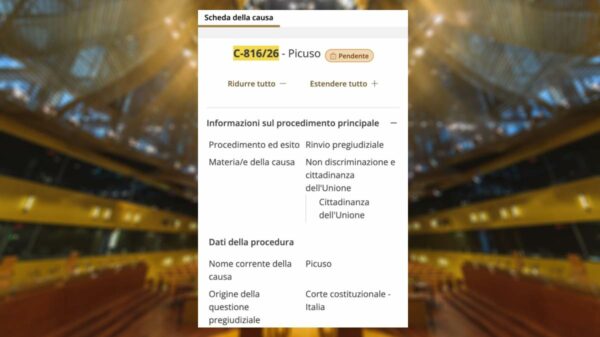
The Supreme Court reaffirmed: citizenship is born with the person.
- New legal front opened
- Processes can still be filed.
- Individual assessment before any decision.
According to the president of Confcommercio Veneto and Ascom Padova, Patrick Bertin, the contribution of immigrants is essential:
“There is no doubt that Italy needs these workers, even though we are directing them to lower-paid roles.”
The average salary of immigrants is up to €8 per year lower than that of Italian workers. The situation is aggravated by the presence of clandestine contracts. (in black), a practice denounced at the recent Confcommercio System Conference, held with the participation of business leaders from Padua.
Risk of demographic decline threatens Italian economy
Eurostat projections indicate that, by 2050, Italy could lose 1 million residents and 3 million employed people. This would mean an 11% reduction in GDP. The scenario is even more dire if migration flows are excluded: the population would fall by 9 million, with a 25,6% impact on national value added.
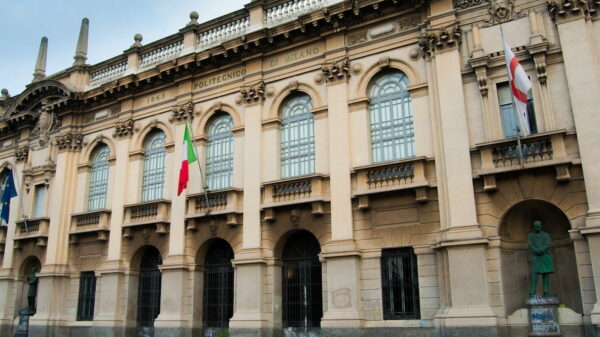
In light of this, Bertin advocates for policies that encourage young graduates to remain in the country and attract foreign students to Italian universities. He also emphasizes the importance of measures to reverse the "zero growth" trend in the birth rate:
“We need to show that this is not just a country for old people”, Bertin concluded, to the newspaper iL Gazzettino.