















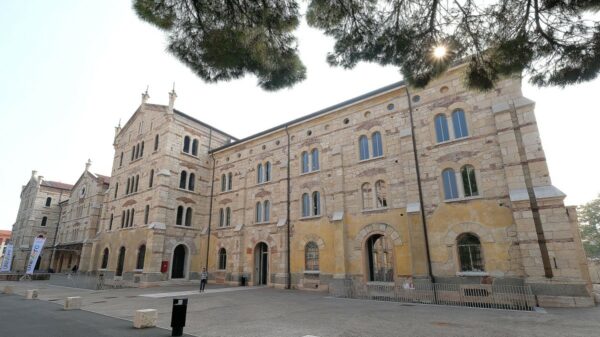
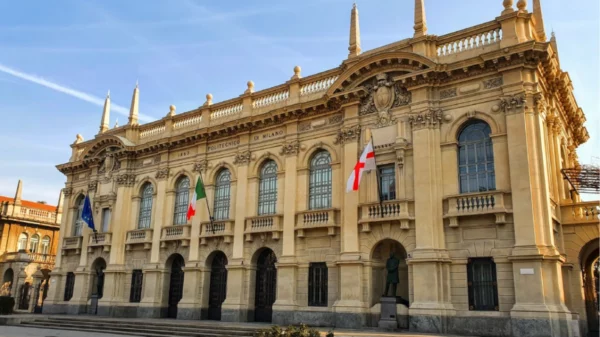
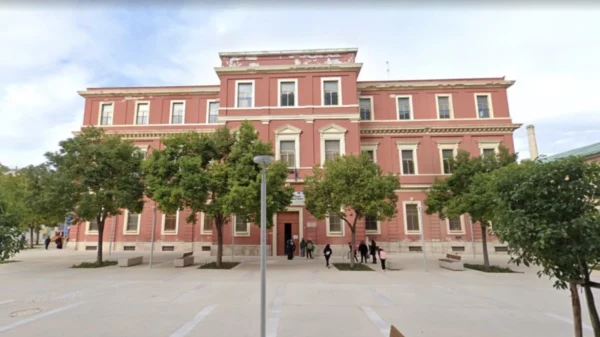
The traditional Bixiga neighborhood, a historic stronghold of Italian immigration in São Paulo, is preparing for a weekend full of flavor and culture. The Nossa Senhora Achiropita Parish is hosting events this Saturday and Sunday. April 11 and 12, the long-awaited Fogazza Festival, on 13th of May Street.
The star of the show: the fogazza
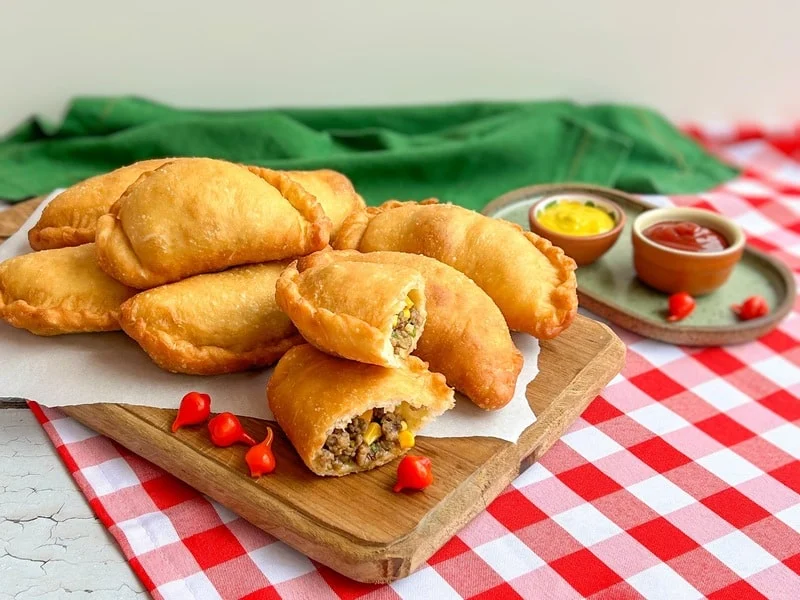
Fried, golden brown, and generously filled, the fogazza from achiropita It is an icon of São Paulo's cuisine. Prepared by volunteers who follow recipes passed down through generations, this delicacy is a symbol of the resistance and preservation of the cultural identity of Italian immigrants in Bela Vista.
Solidarity and faith
Beyond the culinary delights, the festival has a noble purpose. All proceeds from the sale of the focaccia will go towards the construction of... restoration of the century-old church from Achiropita.
It is an opportunity for visitors to savor the best of the local cuisine while contributing to the preservation of one of the city's most important historical and religious heritage sites.
schedule yourself
This event is a sure recommendation for anyone wanting a family outing, enjoying the hospitality and festive atmosphere that only Bixiga offers.
Objective: Restoration of the Parish of Our Lady of Achiropita.
When: Saturday (11) and Sunday (12), starting at 12 pm.
Where: 13 de Maio Street, 478 – Bela Vista, São Paulo.
The origin of fogazza
In Italy, there isn't exactly a fried and stuffed "fogazza" like the ones we see at São Paulo's street fairs. The inspiration comes from two close cousins:
- Focaccia: in Italy, the cake It is a flatbread, usually baked in large loaves, seasoned with olive oil, salt, and rosemary.
- Panzerotto: This is the most direct "relative." Originating from the Puglia region, the panzerotto It is a pizza dough shaped like a half-moon and fried (or baked), usually filled with tomato and mozzarella.
The evolution: the São Paulo touch
When Italian immigrants arrived in neighborhoods such as Bixiga, Mooca and BrásThey adapted their recipes to the local ingredients and tastes.
The culture of church fairs: The fogazza became the star of São Paulo's street festivals (such as those of San Gennaro or Nossa Senhora Achiropita). There, it gained varied fillings and that characteristic elastic and generous dough.
The name: The term "fogazza" appears to be a Brazilian corruption or a specific dialect that has become established here to differentiate this "savory" pastry from the traditional focaccia sold on a tray.
FOLLOW-US