



















Book tells about the migratory process and the influence of Italians in the capital of São Paulo
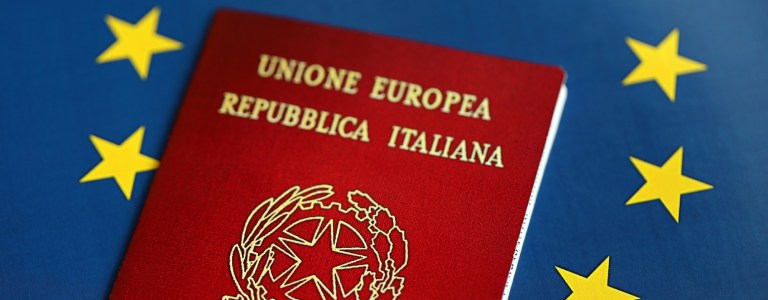
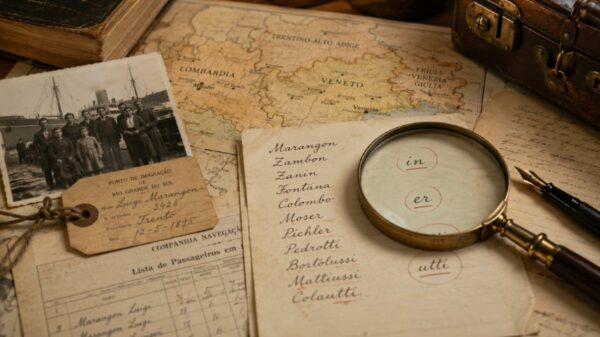
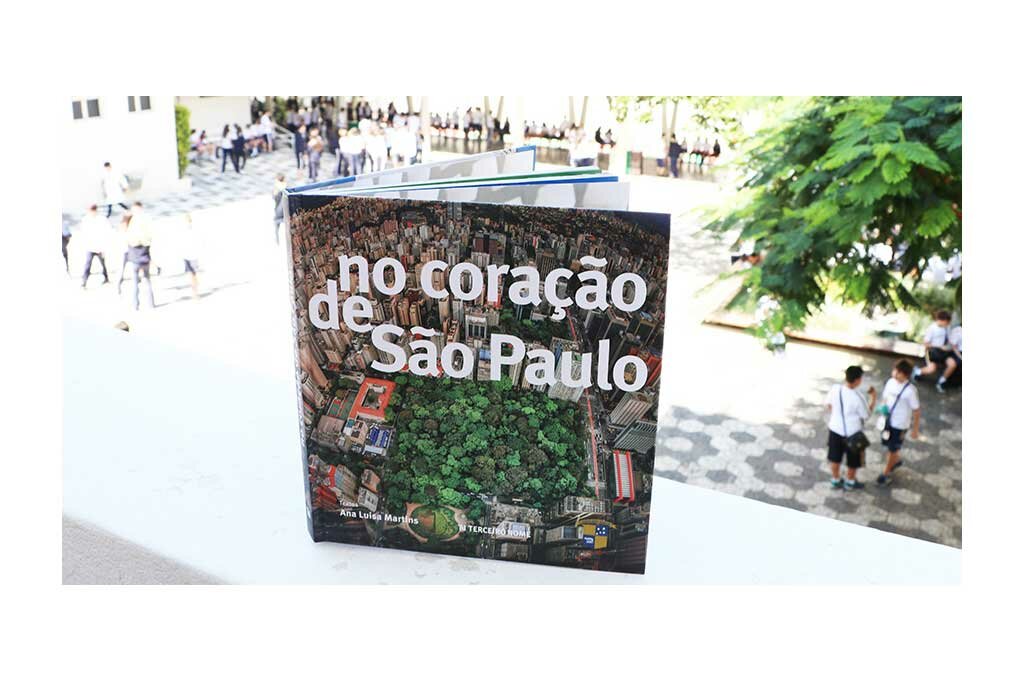
Colégio Dante Alighieri launched the book “In the Heart of São Paulo”, which tells the story of Italian immigration to the city and its legacies to the community that welcomed it. The objective is to record some aspects of the arrival of immigrants that are intertwined with the history of the College, a result of and a participant in this process.
The book shows the peninsular migration process and the influence of Italians and their descendants on various aspects of the capital of São Paulo, such as architecture, industry and commerce, sport and leisure, medical-scientific development and cultural manifestations, as well as contributions from former Dante students to the city.
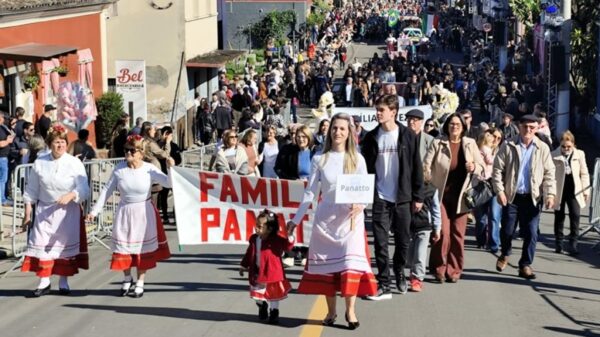
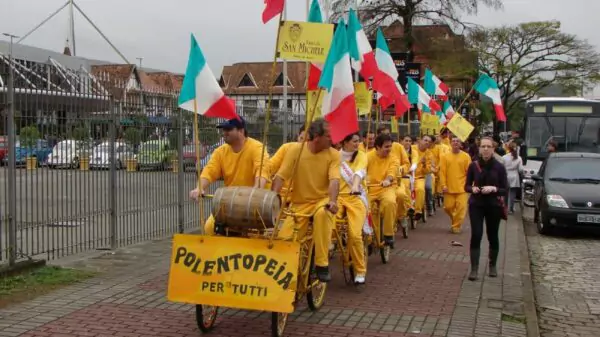
Rooted for more than a hundred years in one of the most iconic regions of São Paulo, on the outskirts of Avenida Paulista, the history of Colégio Dante Alighieri is intertwined with that of the city and the Italian immigrants who arrived here from 1874. In 1872, the The city of São Paulo had 23 thousand inhabitants. In 1900, less than three decades later, the capital already had a population of 240 thousand people, almost ten times more. Of this total, 75 thousand (more than 30%) were Italian.
This is because, at the time, the calculations did not take women and children into account. If everyone were counted, the number would be even higher. “We seek to reiterate our belief that only by understanding the past is it possible to influence the present in favor of a more tolerant future, rich in opportunities and welcoming for everyone”, says Dr. José Luiz Farina, president of Dante.
The work was written by Ana Luisa Martins and features more than a hundred photos by Antonio Kehl (who also designed the graphic project), Sérgio Zacchi and several cultural institutions. The project is signed by Editora Tercero Nome, under the direction of Mary Lou Paris, and was created in partnership with Dante, with the general coordination of Fernando Homem de Montes, Marketing manager.
“We wanted to write a book that addressed both the importance of Italian immigration and the College’s contribution to the city, as there is a lot in common between these two stories. At the same time, the idea was to offer a modern and agile text, with a contemporary graphic design, combining tradition and innovation – a strong characteristic of Dante”, says Fernando.
“I discovered two equally interesting things writing the book: the first is how much São Paulo really is an Italian city. It may seem obvious, but it wasn't that clear to me before I wrote the book. The second was to find out more about the College itself! I didn't know Dante was so handsome. Afterwards, I was very impressed with the infrastructure and modernity of the College”, says Ana Luisa.
The author also highlights the photos taken by Antonio Kehl of buildings in the center and east of the city, which were published alongside old photos in the book, showing a very curious before and after of places that marked the history of Italian immigrants. “With Ana Luisa's book and research, I discovered places in São Paulo that I never dreamed existed and that now I really want to visit, such as the churches in the Santa Cecília neighborhood with frescoes by Italian artists, the Santa Casa de Misericórdia museum and much, much more,” says Mary Lou.
“Another thing that really caught my attention when writing the book is how values such as entrepreneurship, innovation, creativity, boldness, determination, tolerance and diversity are present and encouraged in Dante – values left behind by the Italians who came to São Paulo as his strong legacy for the city”, she concludes.