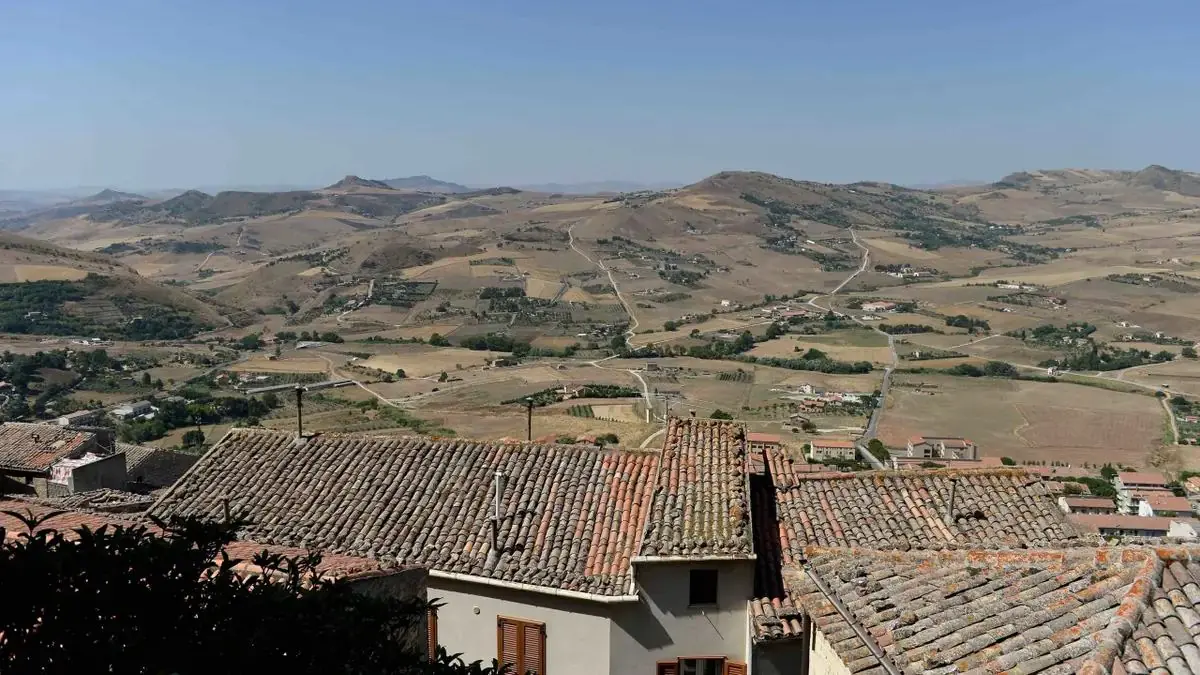
Buying a house in Italy for €1 or finding a property for a few thousand euros may seem like an opportunity for those who dream of living in the country. But reduced prices can also reflect an unappealing reality: a lack of services, difficulties accessing health care, few job opportunities and a declining population.
The warning was issued by international mobility consultant Damien O’Farrell in an article published by The Local on Friday (26). With more than 35 years of experience advising foreigners interested in living in Italy, the expert questions whether buyers sufficiently assess the living conditions in these locations before closing a deal.
“Sometimes I wonder whether people considering moving to Italy give enough thought to why properties in these regions are so cheap,” O’Farrell says.
According to him, among foreigners who decided to leave the country, the reasons were rarely related to the property itself. Employment, financial difficulties and the limitations of everyday life played an important role in those decisions.
After citizenship restrictions, real estate gains ground in offerings for Brazilians
The change in the rules for Italian citizenship by descent, approved in 2025, has also altered the services market aimed at Brazilians interested in the country.

With the new restrictions established by Decree-Law 36/2025, converted into Law 74/2025, some descendants who had previously sought citizenship recognition have found fewer possibilities to pursue the path they had planned.
At the same time, advertisements for cheap houses, real estate opportunities and proposals to live in small Italian municipalities have gained visibility among the Brazilian public.
It is also possible to find professionals, including lawyers, who previously worked in citizenship consulting now promoting opportunities in the real estate market.
The risk lies in presenting the purchase of a property as an unmissable opportunity, exploiting the dream of living in Italy without adequately explaining the difficulties that may accompany the move.
What the advertisements do not show
A cheap house may be in a municipality with few residents, limited commerce, inadequate public transportation and distant health care services.
The problem is particularly relevant in parts of southern Italy, where the aging population and the departure of younger residents contribute to the decline of small communities.
ISTAT data show that in 2024, the inland areas of the Mezzogiorno, which includes southern Italy and the islands, lost 4.7 residents per 1,000 inhabitants.
Population decline undermines the maintenance of schools, public services, transportation and economic activities.
O’Farrell says he has assisted older clients who chose remote locations but later had to move to larger cities when they began to need specialized medical care.
“Something that is not a concern at 65 can become a significant problem at 75,” the expert warns.
According to him, the recommendation is to consider not only current needs but also the conditions that may be faced in the coming years.
A cheap house does not mean a cheap life
Renovations and maintenance can also turn an apparent opportunity into a considerable expense.
Finding qualified professionals in remote locations can be difficult, especially for those managing construction work from abroad. Taxes, transportation, maintenance and renovation costs need to be taken into account.
The consultant recommends spending an extended period in the chosen municipality, including outside the tourist season, to get to know residents’ daily lives and check the availability of services.
“I believe the financial incentive should make a decision to move more attractive, rather than determine it,” O’Farrell says.
The advice deserves the attention of Brazilians who see Italy as a destination to start a new life. Buying a property does not automatically grant residency rights to citizens from outside the European Union. In addition, a house advertised for €1 does not necessarily mean an inexpensive renovation or a good investment.
According to him, before closing a deal, it is important to investigate the municipality’s infrastructure, the distance to hospitals, the availability of schools, job opportunities and, above all, the possibility of reselling the property.
Finding a cheap house in Italy may be relatively easy. The hard part is finding out whether there is a viable life to build at that address.
Newsletter
Últimas do Italianismo
Todo dia, às 18h, um resumo do que aconteceu na Itália direto no seu e-mail.
É gratuito e você cancela quando quiser.