In Sicily, November tastes like marzipan, new wine and roasted chestnuts. Even as cooler days arrive, traditional Italian gelato also has a place at the table.
The month brings together some of the island’s oldest culinary traditions, linked to the religious calendar, family memory and the customs of rural communities.
Sweets that preserve family memory
Among the highlights of All Saints’ Day and All Souls’ Day celebrations is frutta martorana, a sweet made with almond paste, shaped and hand-painted to reproduce natural fruit.
The specialty is traditionally associated with the ancient Martorana convent in Palermo and remains one of the symbols of Sicilian pastry-making.

According to popular custom, children received sweets and gifts left overnight by deceased relatives. The tradition turned the remembrance of the dead into a moment of family affection.
Also part of the celebrations are pupi di zucchero, figures made of sugar, and cookies known as ossa dei morti (bones of the dead).
St. Martin and new wine
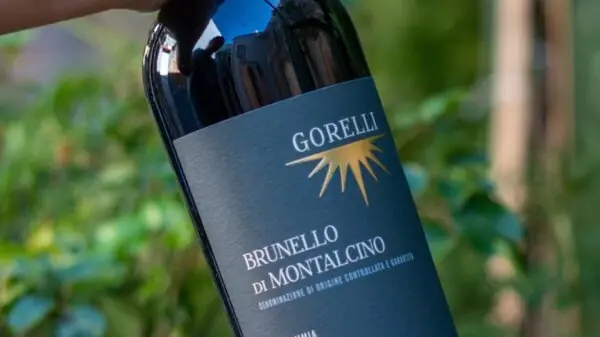
The Sicilian autumn is also marked by the feast of St. Martin, traditionally associated with the end of the grape harvest cycle and the tasting of the first wines of the vintage.
An ancient Italian proverb sums up the meaning of the celebration: “On St. Martin’s Day, every must is wine.”
In several towns across Sicily, the occasion is celebrated with community festivals, wine tastings and roasted chestnuts.
In Palermo, the highlights include biscotti di San Martino, anise-flavored cookies traditionally dipped in Moscato wine.

Gelato also has a place
Even with milder temperatures, Sicilians do not give up artisanal ice cream and traditional granitas.
Flavors such as pistachio, almond and citrus reflect the diversity of ingredients produced on the island.
For those visiting Sicily outside the high season, November is an opportunity to discover a cuisine that goes far beyond the famous cannoli and arancini.
Newsletter
Últimas do Italianismo
Todo dia, às 18h, um resumo do que aconteceu na Itália direto no seu e-mail.
É gratuito e você cancela quando quiser.