The family history of Luiz Carlos Trabuco Cappi, chairman of Bradesco’s Board of Directors and selected to lead the Finance Ministry beginning in 2027, has roots in four regions of Italy. An genealogical investigation, exclusive to Italianismo, identified ancestors connected to Lombardy, Veneto, Marche and Tuscany, in a trajectory linking small Italian towns to the interior of São Paulo state.
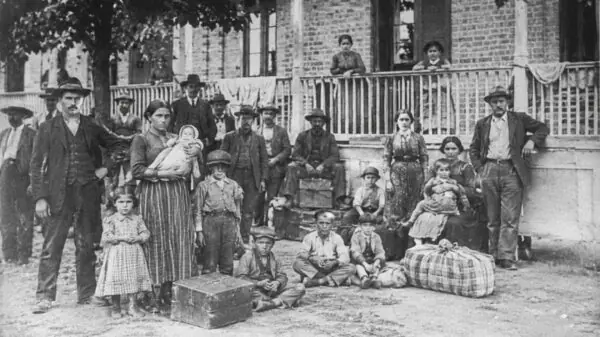
One of the central figures in this story is Napoleone Cappi, Trabuco’s paternal great-grandfather. He left the province of Mantua, in Lombardy, and arrived in Brazil on Oct. 31, 1891. He did not travel alone: the immigration record identifies his wife, Luigia, 28, and three children, Umberto, 7, Cesira, 5, and Amelia, just 2.
Napoleone was 30 at the time. The family appears in the arrival record of the Hospedaria dos Imigrantes in São Paulo, a document that makes it possible to reconstruct the makeup of the family group at the time of immigration.
The genealogical research identifies his wife as Maria Luigia Busoli. Matching the name Luigia in the immigration record with the family tree data makes it possible to link the two references.
The Cappi family’s crossing
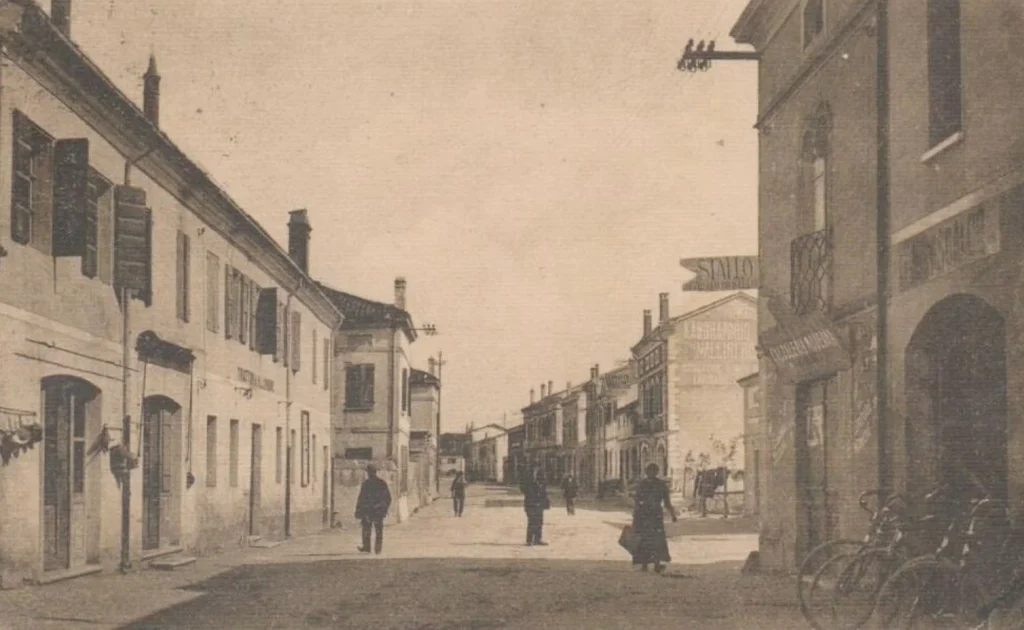
Napoleone Cappi was from Quistello, a municipality in the province of Mantua, Lombardy. The town is about 20 kilometers from the city of Mantua and about 150 kilometers from Milan.
He married Maria Luigia Busoli in 1883 in Poggio Rusco, also in the province of Mantua. The couple left Italy eight years later, taking their three young children.
The genealogical survey indicates that Napoleone and Maria Luigia had six children, three of whom were born in Italy. The 1891 immigration record confirms that Umberto, Cesira and Amelia were among the children who accompanied their parents on the journey.
The possibility that the other three children were born in Brazil is consistent with the family chronology, but still depends on locating their respective birth or baptism records.
Napoleone died on Dec. 31, 1934, in Catanduva, in the interior of São Paulo state. His story represents one of the first documented chapters of the Cappi family’s presence in Brazil.
Four origins in Italy
The investigation identified four branches of Trabuco’s Italian ancestry. Each traces back to a different region of Italy.
The Cappi branch originated in Lombardy. It is represented by Napoleone Cappi and his wife, Maria Luigia Busoli, who were connected to the towns of Quistello and Poggio Rusco, in the province of Mantua.
Another branch identified in the family tree is the Frediani branch, associated with Tuscany. Recorded ancestors include Natale Frediani, born June 15, 1868, in Bozzano, a town in what is now the municipality of Massarosa, in the province of Lucca. He died in São Paulo on April 15, 1949.
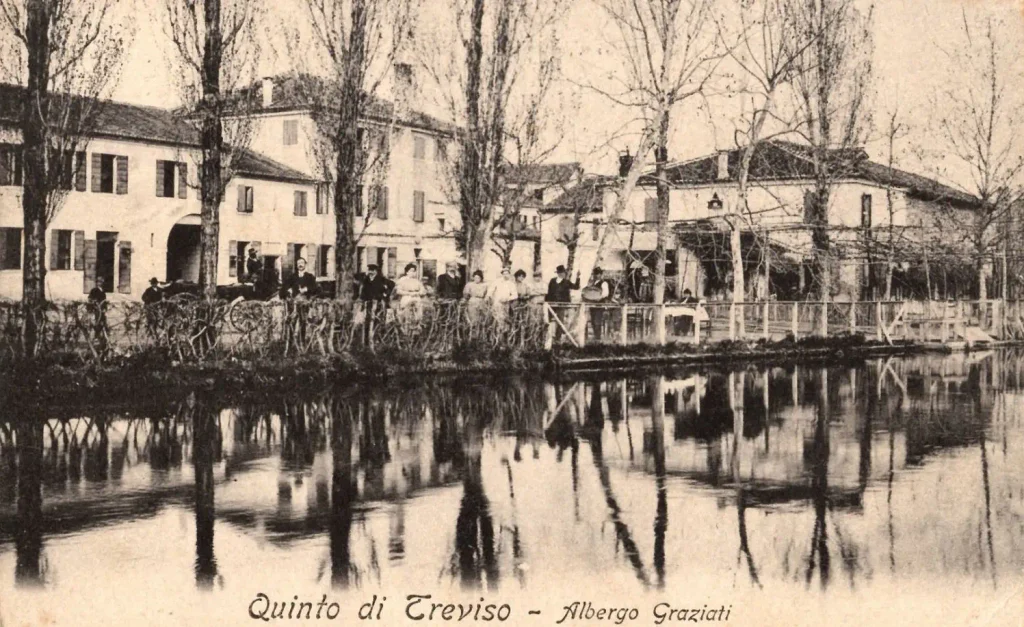
The maternal Trabucco line traces back to the Veneto. Angelo Trabucco was born on June 5, 1861, in Quinto di Treviso. He married Elena Carraro on Sept. 28, 1888, in Martellago, in the Venice region. The couple had nine children.
The fourth branch is the Taccari family, originally from Marche, a region in central Italy. Antonio Taccari was born on June 3, 1864, in Loro Piceno, in the province of Macerata.
Antonio arrived at the port of Santos on Jan. 2, 1896, aboard the steamship S. Gottardo. He was accompanied by his wife, Rosa Mancinelli, a daughter and three brothers. The couple had married on June 16, 1895, in Sant’Angelo in Pontano, also in the province of Macerata.
The four lineages show the diversity of Italian origins represented in the family tree: Lombardy, Veneto, Marche and Tuscany.
The families in the interior of São Paulo state
Later generations appear in records from different municipalities in São Paulo state. Catanduva, Marília, Pedreira, Itápolis and Araras are among the places connected to the family history.
On the Cappi side, Luiz Cappi was born on Nov. 19, 1892, in Araras. He married Maria Frediani in 1916. The religious record located by the research shows a discrepancy regarding the municipality where the marriage took place: Guarulhos appears in the parish document, while the family tree indicates Taquaritinga.
On the maternal side, Luís Trabuco was born on July 11, 1897, in Pedreira. He married Maria Taccari on Sept. 2, 1916, in Itápolis.
These records help trace the formation of the Brazilian generations of families of Italian origin. Over time, the descendants came to live in different municipalities in the interior of São Paulo state, preserving in their genealogy the surnames and references to their places of origin.
From Marília to his career at Bradesco
Luiz Carlos Trabuco Cappi was born on Oct. 6, 1951, in Marília, in the interior of São Paulo state. The city is also tied to the history of Bradesco, an institution founded in 1943.
Trabuco joined the bank in April 1969, at age 17. Over the following decades, he held different positions at the institution and became chief executive in March 2009. He remained in the role until 2018, when he became chairman of the Board of Directors.
On Nov. 26, 2026, the Palácio do Planalto confirmed that Trabuco accepted President Luiz Inácio Lula da Silva’s invitation to lead the Finance Ministry in the next term, beginning in 2027.
The executive’s career in Brazil’s financial system contrasts with the story of his ancestors, who crossed the Atlantic at different points in the late 19th century.
Napoleone Cappi’s journey in 1891 is one of the most significant chapters of this story: a 30-year-old immigrant who left Lombardy accompanied by his wife and three children, continuing in Brazil a family line that would, generations later, lead to one of the leading names in Brazil’s banking sector.
Newsletter
Últimas do Italianismo
Todo dia, às 18h, um resumo do que aconteceu na Itália direto no seu e-mail.
É gratuito e você cancela quando quiser.