Renting a property in Italy can bring a few surprises for those arriving in the country. What may seem like a simple negotiation, based on choosing an apartment and paying rent, involves cultural differences, contractual requirements and expenses that are not always familiar to foreigners.
Apartments advertised as unfurnished may be virtually empty. Landlords may require several months’ security deposit, while real estate agencies charge commissions that need to be included in the moving budget.
There are also different types of leases, each with its own rules for duration and renewal. For Brazilians planning to live in Italy, knowing these particularities before looking for a property can prevent unexpected expenses and problems during the tenancy.
1. Older buildings may hide maintenance problems
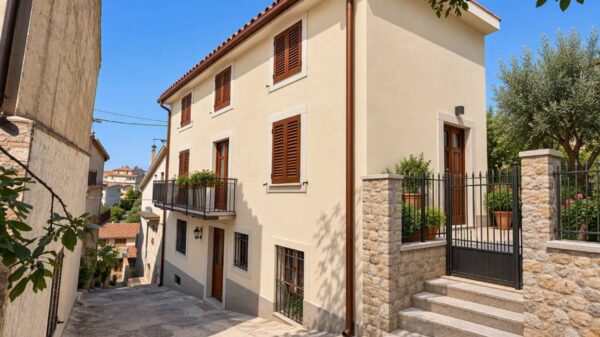
Living in a historic Italian building can be appealing. Many apartments are in older buildings, with traditional facades, high ceilings, large windows and preserved architectural features.
However, the charm of these buildings does not always mean comfort. Some properties have poor thermal insulation, outdated plumbing, moisture problems and windows that let in street noise. Some buildings also do not have an elevator.
Before closing the deal, it is worth checking the condition of the electrical and plumbing systems, whether the heating works, whether there are leaks and the condition of the windows. It is also important to ask about the heating system. In some buildings, it is centralized and follows schedules set by the condominium association.
2. An unfurnished apartment may mean a virtually empty property
One of the differences that most surprises foreigners is the concept of an unfurnished property in Italy.
In many cases, an apartment advertised as non arredato lacks more than just beds, sofas and appliances. It may not even have cabinets or a kitchen setup, including a sink, countertop and cabinets.
A parzialmente arredato property, on the other hand, may include a basic kitchen but no refrigerator, oven or other equipment. Furnished apartments, called arredati, are commonly found in the short-term rental market and in areas with large numbers of students and temporary workers.
Before signing, personally check what will remain in the property. Also ask for the included furniture and equipment to be listed in the lease or in an inventory.
3. Renting with pets requires attention
Finding an apartment to rent with pets may require additional research.
In Italy, there is no general rule requiring all landlords to accept pets in rental properties. It is important to distinguish condominium association rules from the conditions established in individual rental leases. Italian law prevents condominium regulations from prohibiting pets in private units, but that protection does not mean that all rental contract clauses are automatically invalid.
Therefore, anyone planning to live with a dog or cat should clarify the issue before signing the lease. It is also worth checking any conditions regarding damage to the property, use of common areas and responsibility for cleaning. Ideally, obtain the authorization or negotiated conditions in writing.
4. The initial cost may be much higher than the rent
The advertised rent does not necessarily represent the total amount a prospective tenant will need to pay to move into the property.
In addition to the first month, the landlord may request a security deposit, known as deposito cauzionale. Under Italian law, this deposit cannot exceed the equivalent of three months’ rent. The amount is also subject to legal interest, which must be paid to the tenant at the end of each year.
In addition to the deposit, there may be real estate agency fees, condominium expenses and costs related to activating or transferring utilities. Condominium expenses are called spese condominiali and may include cleaning common areas, lighting, elevator maintenance and other services.
It is important to request an estimate of these expenses before making the commitment. It is also worth asking whether the condominium association charges additional fees for central heating, water or other services.
5. Real estate agencies can facilitate negotiations, but they charge a commission
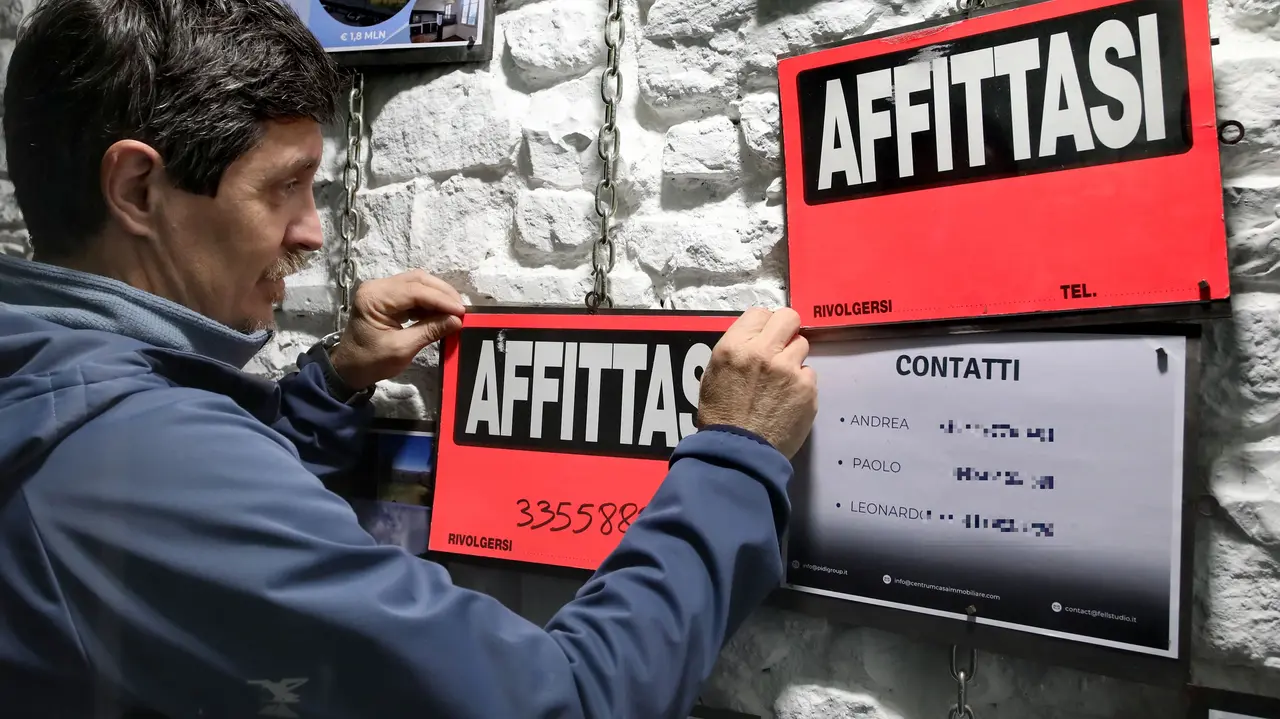
A large share of properties available for rent in Italy are handled by real estate agencies, known as agenzie immobiliari.
These companies act as intermediaries between the landlord and prospective tenant, arrange viewings, assist with negotiations and may help with documentation.
The real estate agency’s commission varies depending on the region, the company and the terms of the negotiation. There is no single nationwide amount requiring every agency to charge exactly one month’s rent.
Before hiring the service, ask how much the commission will be, when it must be paid and whether there will be taxes or other additional expenses. It is also important to verify the real estate agency’s credentials and avoid advance transfers without proper documentation and guarantees.
6. The rent can be negotiated
The advertised amount is not always final. Depending on the location, how long the property has been available and demand in the area, there may be room to negotiate the rent with the landlord.
The possibility of securing a discount depends on several factors. Properties in high demand, in central areas of large cities or in good condition tend to offer less room for negotiation. Apartments that have been vacant for some time or have high expenses, on the other hand, may allow for a more favorable discussion.
A proposal should take into account the prices of similar properties in the same area, as well as the apartment’s condition. The prospective tenant can also negotiate other aspects, such as the inclusion of furniture, minor repairs and payment terms.
7. There are different types of rental leases
Knowing about rental leases is essential for anyone planning to live in Italy. Italian law provides for different types of residential leases, with specific terms and conditions.
- Contratto a canone libero (4+4): a lease with an initial term of four years, followed by automatic renewal for another four years, except in cases where the law allows opposition to renewal.
- Contratto a canone concordato (3+2): a lease with an initial term of three years, followed by renewal for another two years, with rent calculated according to criteria established in territorial agreements.
- Contratto transitorio: a temporary lease with a maximum term of 18 months, intended to meet specific and justified temporary needs.
- Contratto per studenti universitari: a type of lease intended for university students, lasting between six and 36 months, according to applicable rules.
There are also other contractual particularities and types provided for by law. The temporary lease, for example, should not be used merely as an informal alternative to avoid a longer residential lease. There must be a temporary need consistent with legal and contractual rules.
A residential lease must be formalized in writing and, in cases subject to mandatory registration, reported to the Agenzia delle Entrate. The general deadline for registration is 30 days from the signing date or from the start of the tenancy, if that occurs earlier.
Before signing, check the term, rent amount, additional expenses, termination rules and notice period for leaving the property. A regular lease is also important for administrative procedures, such as proving the availability of housing in certain processes related to residence in Italy.
8. Water, electricity and gas bills may be in the tenant’s name
When renting a property in Italy, the resident needs to check how essential services will be paid for.
Electricity, gas and water bills may be directly in the tenant’s name. Depending on the situation, it will be necessary to transfer ownership of the existing contract, a procedure known as voltura, or reactivate service, called subentro. Internet service is also usually contracted separately.
Before moving into the apartment, ask which services are already active, which need to be transferred and whether there are outstanding amounts. It is advisable to record meter readings when the keys are handed over to avoid improper charges related to previous consumption.
It is also important to check whether the heating is individual or centralized, as this can significantly change monthly expenses.
9. Be prepared to do a thorough cleaning when moving in
The apartment will not always be in the expected condition when the tenant receives the keys. Some properties are handed over clean and freshly painted. Others may require more thorough cleaning, minor repairs and even replacement of equipment.
Therefore, it is important to check the property’s condition during the viewing and again when the keys are handed over. Photos and videos help document problems such as moisture stains, damaged walls, broken equipment and leaking faucets.
If repairs are needed, ideally notify the landlord and agree in writing on who will be responsible for the costs. Italian law establishes different responsibilities for landlords and tenants. Generally speaking, the landlord must carry out necessary repairs, while the tenant is responsible for minor repairs resulting from normal use of the property.
Article 1576 of the Italian Civil Code establishes this distinction. Making alterations or renovations without the landlord’s authorization is not recommended.
10. Getting to know the neighbors can make a difference
Life in Italian residential buildings often has an important community dimension. In many condominium associations, residents know one another, keep track of activity in the building and take part in decisions concerning common areas.
Getting to know the neighbors can help better understand how the building operates, the rules for living together and even problems that are not easily noticed during an apartment viewing.
It is also an opportunity to learn trash collection schedules, rules for using common areas and procedures for receiving packages. A conversation with residents may reveal information about noise, planned construction, how the heating works and condominium expenses.
What to check before signing the lease
Renting a property in Italy requires planning. In addition to the monthly price, it is important to check the documentation, the condition of the apartment, additional expenses and the terms of the contract.
For Brazilians arriving in the country, some precautions are especially important:
- Confirm the identity of the owner or real estate agency.
- Visit the property whenever possible.
- Request a written contract.
- Check the amount of the security deposit and other expenses.
- Find out which furniture and appliances are included.
- Document the condition of the apartment before moving in.
- Request information about the registration of the contract.
Thorough research before moving can prevent unexpected expenses and make the search for a home a much smoother experience.
Newsletter
Últimas do Italianismo
Todo dia, às 18h, um resumo do que aconteceu na Itália direto no seu e-mail.
É gratuito e você cancela quando quiser.