Ten days are enough to put together a first itinerary through Rome, Florence, Venice and Milan without turning the trip into a sequence of check-ins and train stations.
The most efficient approach is to spend three nights in Rome, two in Florence, two in Venice and two in Milan.
The four cities are connected by high-speed trains, eliminating the need for a car on this itinerary.
Rome alone would require several days. The official Italia.it website reports that the capital’s historic center has about 25,000 sites of environmental and archaeological interest.
The itinerary below allows for 10 days and nine nights, arriving in Rome and departing from Milan.
How to divide the 10 days
This order avoids returning to the starting point and also works in reverse, beginning in Milan and ending in Rome.
Day 1: Arrival in Rome
The first day should be easy. After landing, going through immigration, traveling to the hotel and checking in, it is best to avoid attractions with fixed schedules.
A good first walk takes in Piazza di Spagna, Fontana di Trevi, the Pantheon and Piazza Navona.
Day 2: Colosseum, Roman Forum and Palatine Hill
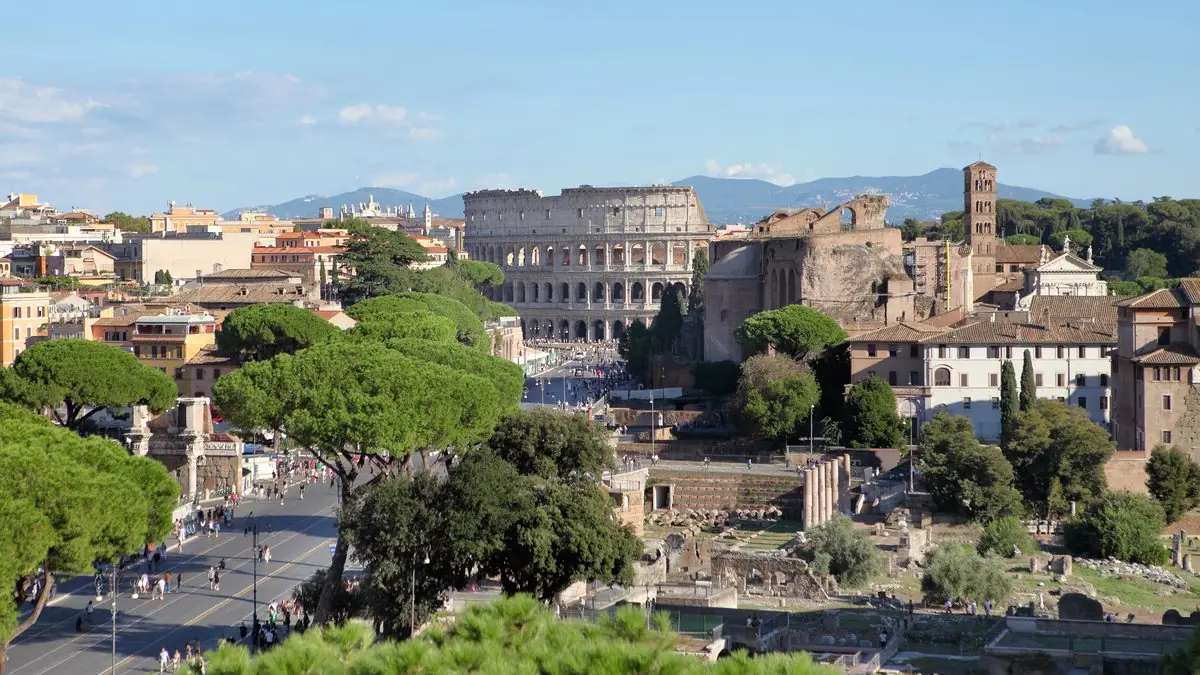
Set aside the second day for ancient Rome. The complex made up of the Colosseum, Roman Forum and Palatine Hill deserves several hours.
Entry to the Colosseum is timed, and official ticket sales open 30 days before the visit date. Afterward, head to the Piazza Venezia and Campidoglio area.
Day 3: Vatican Museums and Trastevere
The morning can be devoted to the Vatican Museums and the Sistine Chapel. Then head to St. Peter’s Basilica and, in the late afternoon, cross the river toward Trastevere.
Day 4: Rome to Florence
On Italo’s direct services, the Rome-Florence trip can be made in about 1 hour and 25 minutes. A morning departure allows for arrival before lunch.
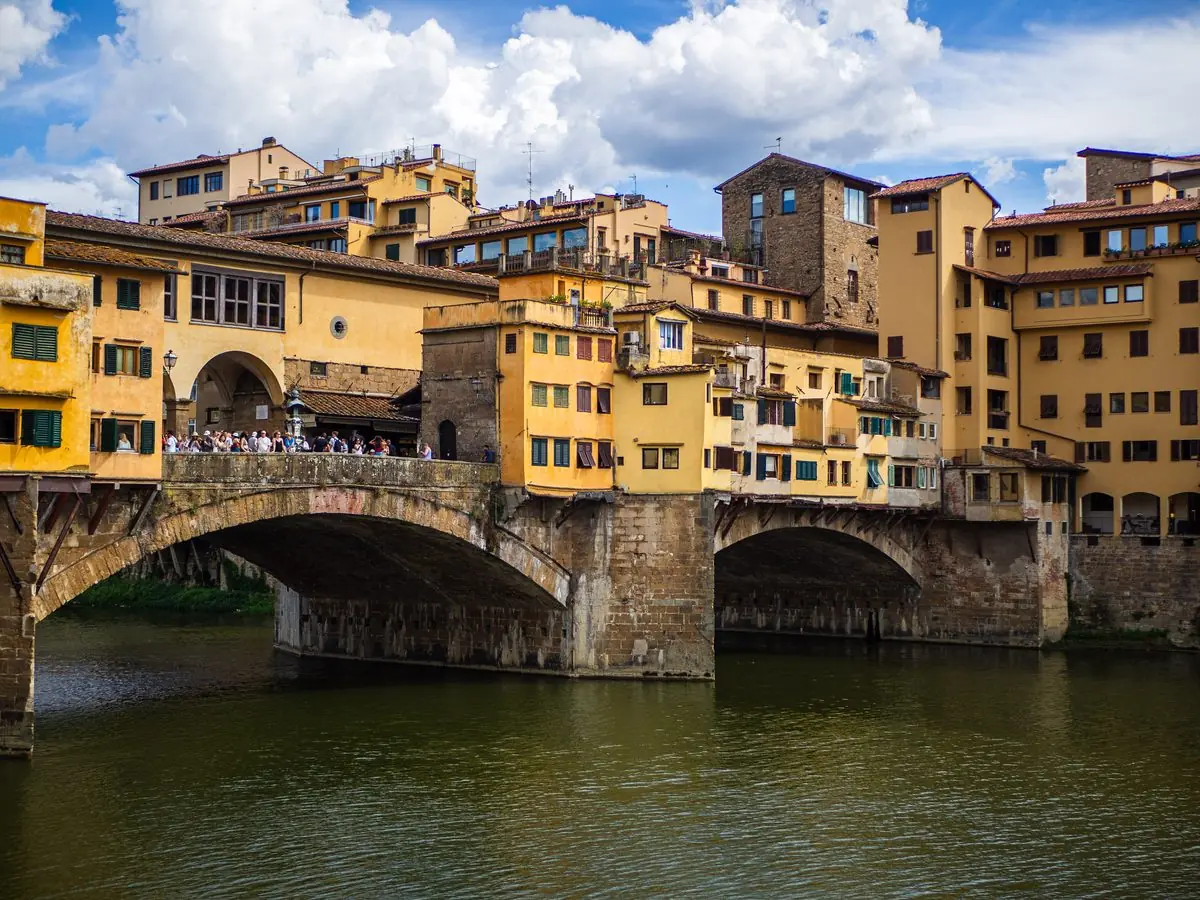
After checking in, take a first tour of Piazza del Duomo, the Cathedral of Santa Maria del Fiore, Piazza della Signoria and Ponte Vecchio.
Day 5: Uffizi, Accademia and Piazzale Michelangelo
The second day in Florence should be set aside for attractions that require tickets. The Galleria degli Uffizi is one of the main ones, and the Galleria dell’Accademia, home to Michelangelo’s David, also typically requires planning.
In the late afternoon, head to Piazzale Michelangelo.
Day 6: Florence to Venice
On Italo’s direct trains, the Florence–Venice trip takes about 2 hours.
For those staying on the island, the most convenient station is Venezia Santa Lucia. After checking in, take an initial route through the Rialto Bridge, Grand Canal, Piazza San Marco and Bridge of Sighs.
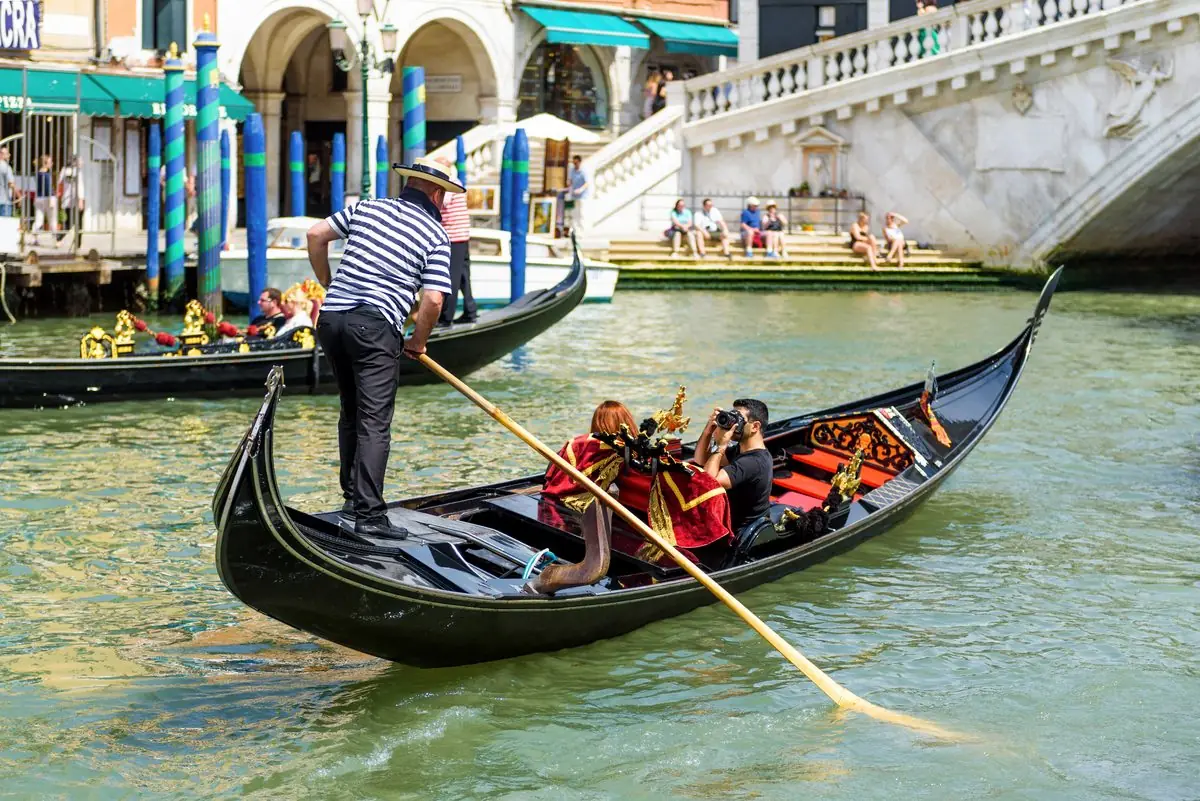
Day 7: San Marco and the Grand Canal
Set aside the morning for the San Marco area. St. Mark’s Basilica and the Palazzo Ducale are among the main tourist attractions. Then take the vaporetto along part of the Grand Canal.
Day 8: Venice to Milan
The high-speed route between Venice and Milan takes about 2 hours and 15 minutes on Italo’s direct services.
The first route can include the Milan Duomo, Galleria Vittorio Emanuele II, Teatro alla Scala and Brera.
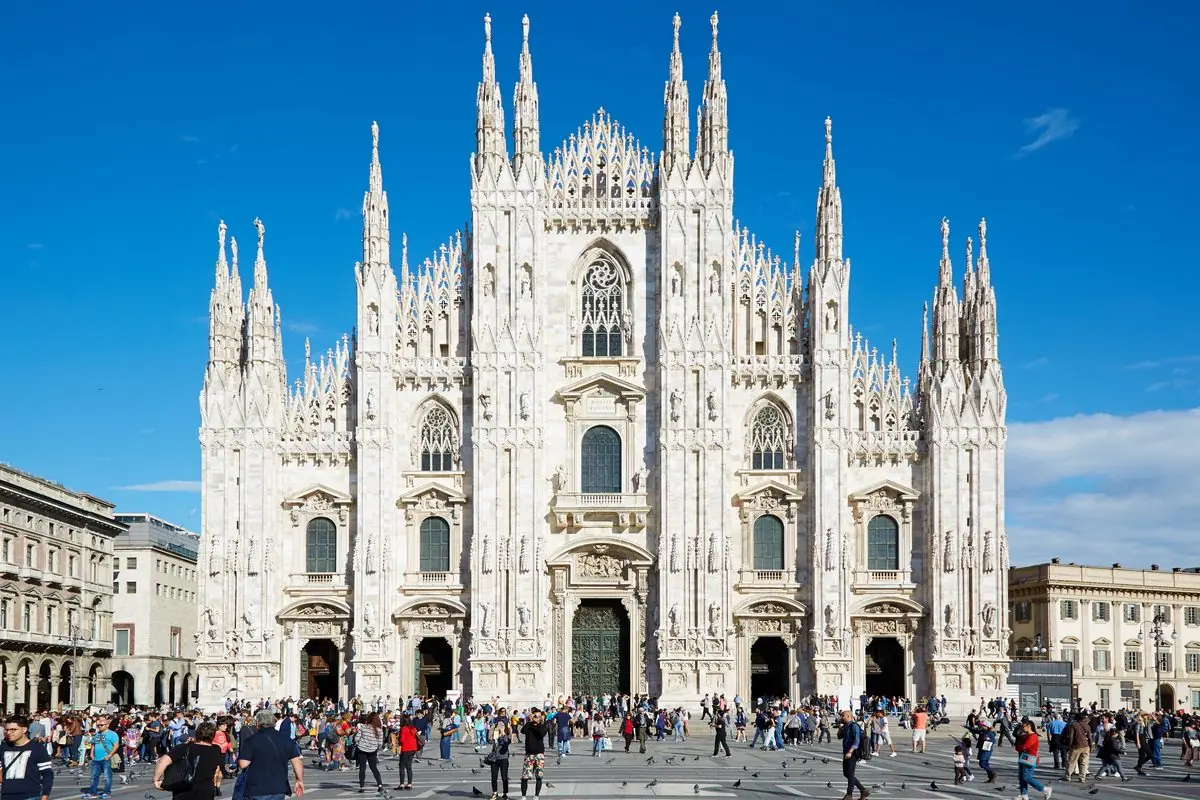
Day 9: The Last Supper, Castello Sforzesco and Navigli
Start the final full day with Leonardo da Vinci’s The Last Supper. Reservations are required, and tickets are released periodically. The visit to the refectory lasts 15 minutes, with controlled access.
Then head to the Castello Sforzesco and Parco Sempione. In the late afternoon, the Navigli are a good option for dinner.
Day 10: Milan and return
The final day depends on the flight schedule. Milan is served by Malpensa, Linate and Bergamo Orio al Serio, and travel time varies considerably from one airport to another.
How much time is spent on trains
Is it worth renting a car?
For this itinerary, it is not necessary. Rome, Florence, Venice and Milan have public transportation and central stations. A car makes more sense for trips that include rural Tuscany, the Dolomites, villages or regions with few rail connections.
Can Pisa fit into the itinerary?
It can, but it requires sacrificing part of Florence. With only two nights in the city, including Pisa means reducing the time available for the Uffizi, Accademia and historic center.
What about Tuscany?
Siena, San Gimignano, Chianti and Val d’Orcia deserve a separate leg of the trip. If 12 or 13 days are available, Tuscany can be included more comfortably.
How much this itinerary costs
In Italianismo’s editorial estimate for 2026, a budget 10-day trip came to about €1,160 per person, excluding international airfare and the tourist tax. For a midrange trip, the estimate was €1,930. For a more comfortable trip, about €3,050 per person.
The mistake is trying to include too many cities
Adding Naples, Pisa, Verona, Bologna, Cinque Terre or Lake Como makes the itinerary more fragmented. For a first-time trip, Rome, Florence, Venice and Milan form a simple, logical and well-connected route, without requiring a car or spending entire days traveling.
Newsletter
Últimas do Italianismo
Todo dia, às 18h, um resumo do que aconteceu na Itália direto no seu e-mail.
É gratuito e você cancela quando quiser.