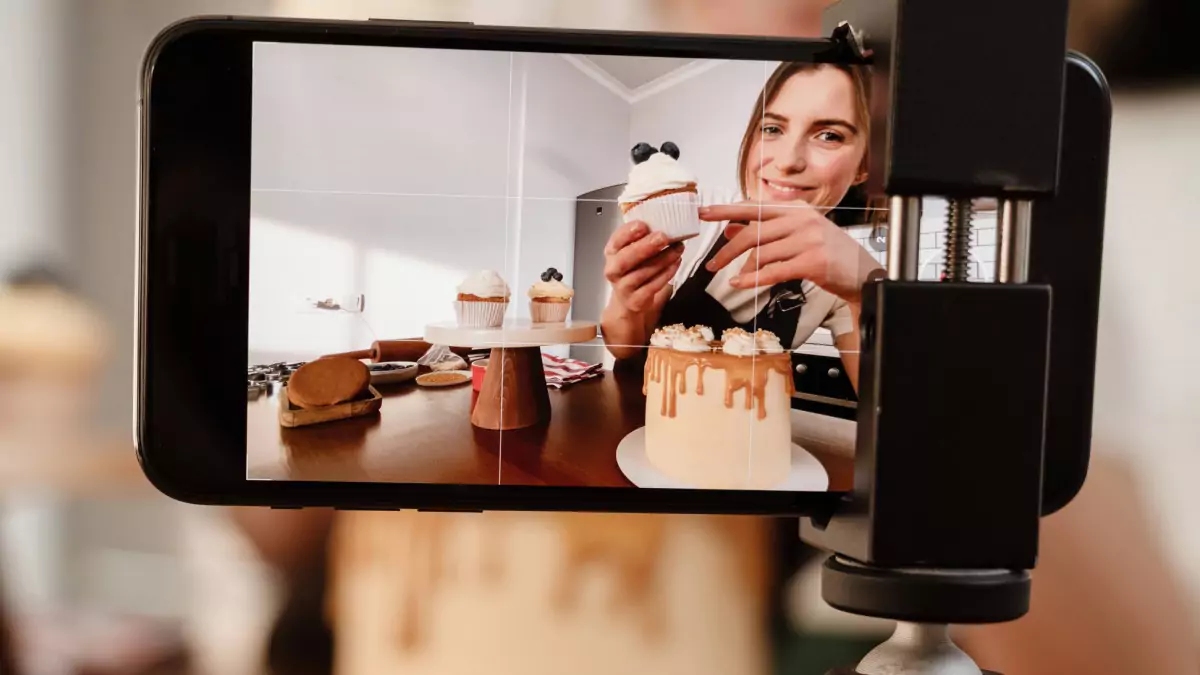
Restaurants in Italy are beginning to set limits on influencers, in response to requests for free meals, filming that interferes with service and behavior that bothers other customers.
One of the most widely discussed cases took place in Catania, Sicily. L’Evoluzione pizzeria, run by Lele Scandurra, posted a notice at its entrance against influencers after, according to the owner, a content creator with more than 400,000 Instagram followers left the establishment without paying a bill of about €60.
Scandurra told the Italian newspaper La Repubblica that the influencer was accompanied and had reserved a table as an ordinary customer. There was no advertising agreement or exchange under which the meal would be provided in return for promotion.
At the end of dinner, the two allegedly left without going to the cashier. The pizzaiolo said he looked for the customers outside and, in the following days, received neither payment nor an explanation.
“People, not characters”
After the episode, the pizzeria put up a sign stating that influencers were not welcome and adding that the establishment accepts “people, not characters.”
The business owner said he had previously worked with content creators but criticized the idea that restaurants should provide meals in exchange for social media exposure. The episode underscores a discussion already emerging at other establishments about the limits between commercial promotion and the experience of an ordinary customer.
Advertisement
Italianismo has previously addressed the risks of sponsored travel and food recommendations in a report on how to avoid paid influencers and suspicious reviews in Italy.
The reaction goes beyond Sicily
The discomfort with content production is not limited to the Catania case. Businesses in other countries have also begun restricting large equipment, filming and photo shoots that disrupt employees or customers.
Social media remains an important promotional tool for bars and restaurants. The discussion is now focused on defining clearer rules, especially when there is no contract, invitation or prior agreement between the establishment and the content creator.
In Scandurra’s case, the position is simple: Without a previously agreed-upon collaboration, the influencer should be treated like any other customer and pay the bill.