


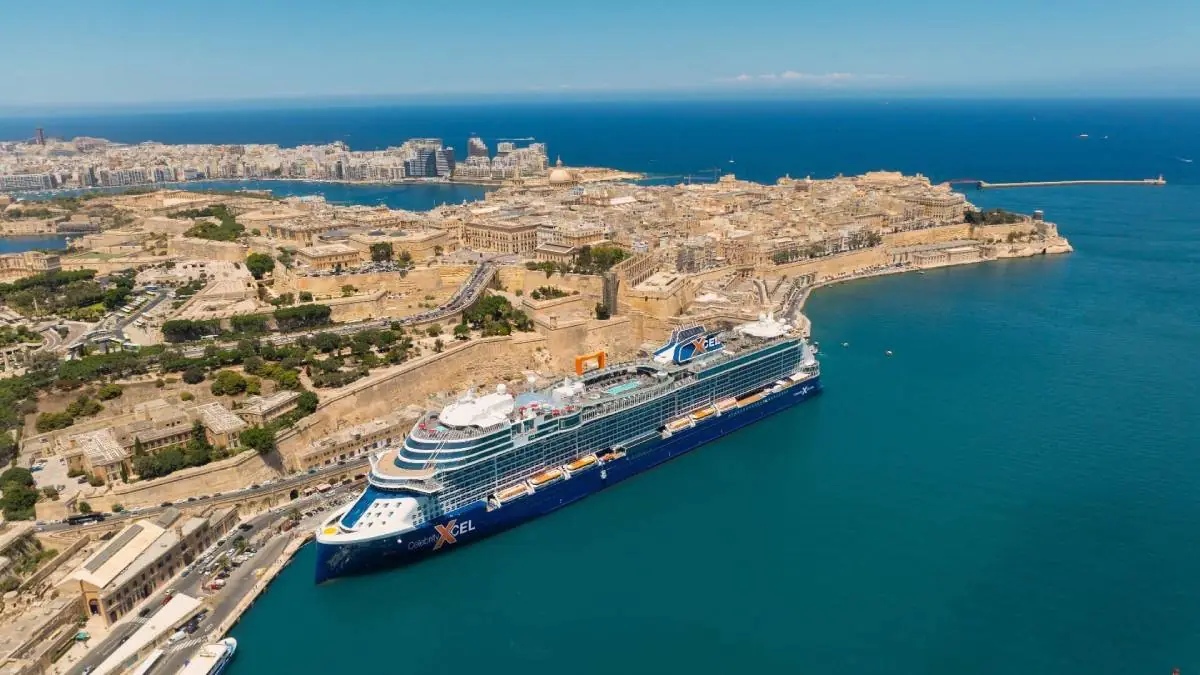
Put a seven-night cruise fare next to a week of hotels and train tickets, and the cruise often looks like a bargain. The number per night seems low, and it appears to include the bed, the transport between cities and most of the meals.
The trouble is that the two totals rarely measure the same things. One is a bundle with extras added later, the other is a set of separate purchases with costs that only show up once you are travelling. Before deciding which way of seeing Europe is cheaper, it helps to line the two up properly.
What a cruise fare covers, and what it leaves out
A standard cruise fare usually pays for your cabin, the trip between ports, meals in the main dining rooms and buffet, and most onboard entertainment. Some lines now show prices with port taxes and fees already added, while others list them separately, so the first check is whether the figure you are looking at is the full fare.
What sits outside that fare varies by line and by booking, but the usual extras are similar. Daily gratuities are often charged per person, drinks beyond water, tea and basic coffee typically cost extra, and specialty restaurants carry their own charge. Shore excursions are the biggest variable. Booking an organised tour in every port can add a large amount to a week at sea, while exploring independently costs far less.
This is why two people on the same ship can pay very different totals. The base fare is fixed, but everything layered on top depends on habits.
The costs that sit around a hotel stay
A hotel price is easier to read, but it is rarely the whole cost of a night. Most Italian cities add a tourist tax per person per night, paid at the property and often in cash, and the rate usually rises with the hotel’s category. Over a week for two people, that adds up quietly.
Accommodation supply also shapes prices. In Rome, for example, short-term rental listings now number in the tens of thousands, which gives travellers alternatives to hotels but also pushes prices up in the most popular central areas during peak months.
Then there are meals. On land, every breakfast, lunch and dinner is a separate purchase. That can be part of the pleasure, but it is also where land budgets slip.
Venice adds another layer. On 60 peak days between April and July, day visitors who are not staying overnight in the city pay an access fee of €5 if booked at least four days ahead, or €10 closer to the date, through the city’s official access fee portal. Overnight hotel guests are exempt from the day fee but pay the city’s regular tourist tax instead.
Trains: cheap on paper, variable in practice
Rail is one of the best ways to move around Italy and much of western Europe. High-speed lines connect Milan, Florence, Rome and Naples in a few hours, and trains arrive in city centres, which saves the time and cost of getting to and from an airport.
The catch is that rail fares behave like airline fares. Tickets bought weeks ahead on fixed-time services can be very reasonable, while the same journey booked the day before can cost several times as much. Flexible tickets cost more, and travellers moving every two or three days need to book each leg carefully to keep the total down.
Delays are the other unknown. Under EU rules, passengers are entitled to compensation when a train is late, but the delay has to reach at least one hour before that applies. A missed connection rarely ruins a land trip, but it can cost a hotel night or a prepaid museum slot.
Luggage matters as well. Carrying suitcases on and off trains every few days is tiring, especially for older travellers, and porter services or taxis to and from stations add small costs that rarely appear in early estimates.
Where each option tends to win
Geography often decides the question before the prices do. Italy is a strong case for land travel. Many of its highlights, such as Florence, Bologna, Verona and the hill towns of Tuscany and Umbria, sit inland, and a ship can only bring you as close as the nearest port. Rome’s cruise port, Civitavecchia, is roughly an hour and a half away from the city centre, and large ships no longer sail into the centre of Venice, so many itineraries use other Adriatic ports instead.
Budget flights change the picture too. With low-cost carriers adding new routes in and out of Italy, a land itinerary can combine trains for short hops with a cheap flight for the long ones.
The balance shifts further north. In Scandinavia, Norway and the Baltic states, hotels and restaurant meals are among the most expensive in Europe, and the distances between capitals are long, often across open water.
There, cruising through Northern Europe is often the simpler way to keep costs predictable, since one fare covers the bed and the journey between Copenhagen, Oslo, Stockholm and Helsinki, and the Norwegian fjords are best reached by sea anyway.
The value of time on the ground
Money is only half the comparison. A cruise usually gives you a day in port, often from early morning until late afternoon, and evenings are spent on board. That suits travellers who want a taste of many places, but it leaves little room for a long dinner in town or a slow second day in a city you love.
Land travel works the other way. You lose hours to check-outs, station transfers and train rides, but you gain evenings and the freedom to stay longer where it feels right. Eating out is part of that. A meal at a traditional trattoria in Florence adds to the bill in a way that a dinner already paid for on board does not, yet for many travellers it is the reason they came.
A simple way to run the comparison
To get a fair answer, build both budgets for the same number of days and the same cities, then add the costs each one hides.
- Cruise total: fare including port taxes, gratuities, drinks you will actually order, excursions or transfers in each port, and flights to and from the embarkation port.
- Land total: hotels plus tourist taxes, every train or flight between cities, transfers to stations, three meals a day, and luggage help if you need it.
- Time check: count the hours you would actually spend in each city under both plans.
Once the numbers sit side by side, the cheaper option is usually clear, and so is whether the savings are worth the trade-offs.
Choosing the trip that fits the region
The question of cruise versus land rarely has one answer for all of Europe. In a country with dense rail lines and inland treasures, like Italy, independent travel often gives better value for each hour spent. In regions where hotels are costly and cities are separated by water, a ship tends to make more sense. Comparing full costs, region by region, leads to a trip that feels well spent rather than simply cheap.
Newsletter
Últimas do Italianismo
Todo dia, às 18h, um resumo do que aconteceu na Itália direto no seu e-mail.
É gratuito e você cancela quando quiser.
