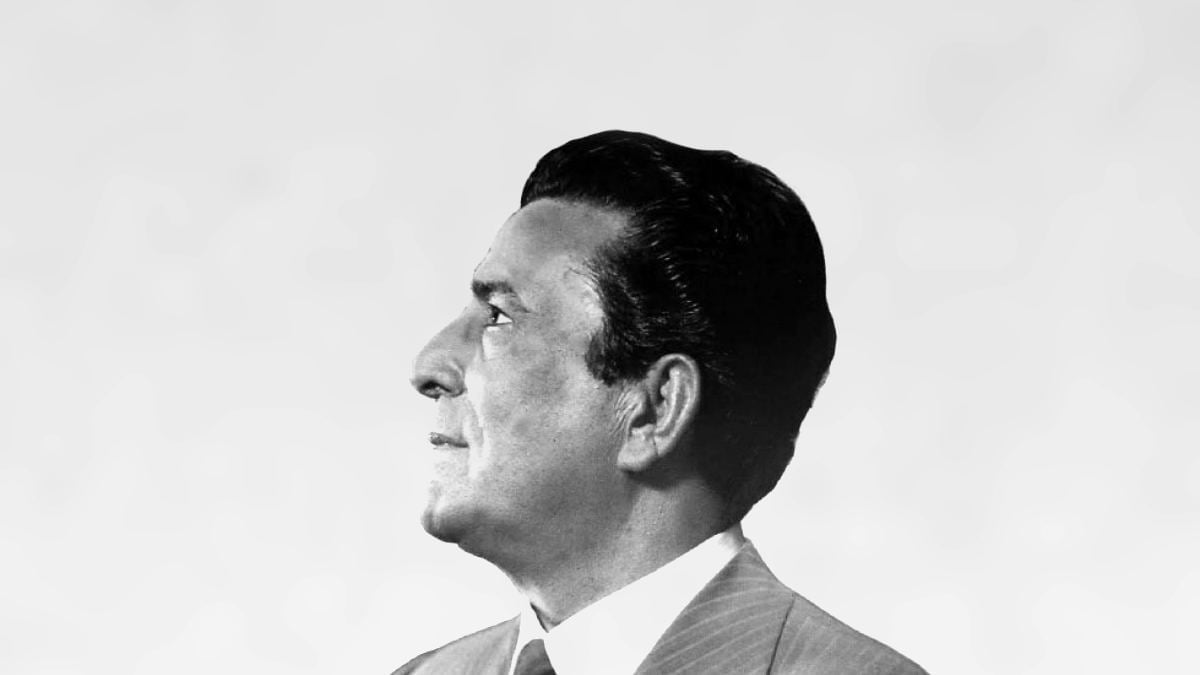
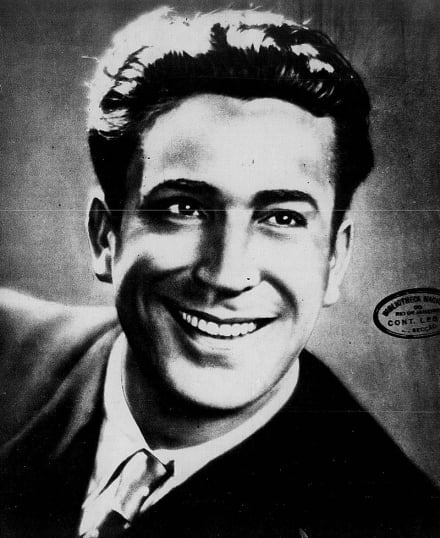
O ítalo-brasileiro Vicente Celestino, um dos mais importantes cantores da música brasileira, representa o sucesso artístico das famílias de imigrantes que vieram para o Brasil no final do século 19.
Primeiro filho do casal de italianos Giuseppe Celestino e Serafina Gammaro, imigrantes da região da Calábria, Antônio Vicente Felipe Celestino nasceu em 12 de setembro de 1894 no bairro de Santa Teresa, no Rio de Janeiro.

Alguns documentos registram o dia de seu nascimento como sendo 22 de setembro do mesmo ano. Além disso, ele foi registrado como Filipe Antônio Vicente, embora durante sua vida sempre assinasse Antônio Vicente Felipe.
O fato é que Vicente Celestino teve onze irmãos, sendo cinco mulheres e seis homens. Entre os irmãos homens, cinco se dedicaram ao canto e um ao teatro. Seu irmão Amadeu Celestino, por exemplo, além de cantor era dançarino, músico e ator.
Vicente Celestino descobre a música
Nascido em uma família humilde, Vicente começou a trabalhar aos oito anos em diversas atividades, como sapateiro, vendedor de peixe, jornaleiro e, já na adolescência, chefe de seção em uma indústria de calçados.
Mas a música já havia entrado em sua vida, já que aos 11 anos de idade, em 1905 ele teve a certeza de que queria seguir carreira artística ao assistir a um recital de Baiano e Eduardo das Neves.
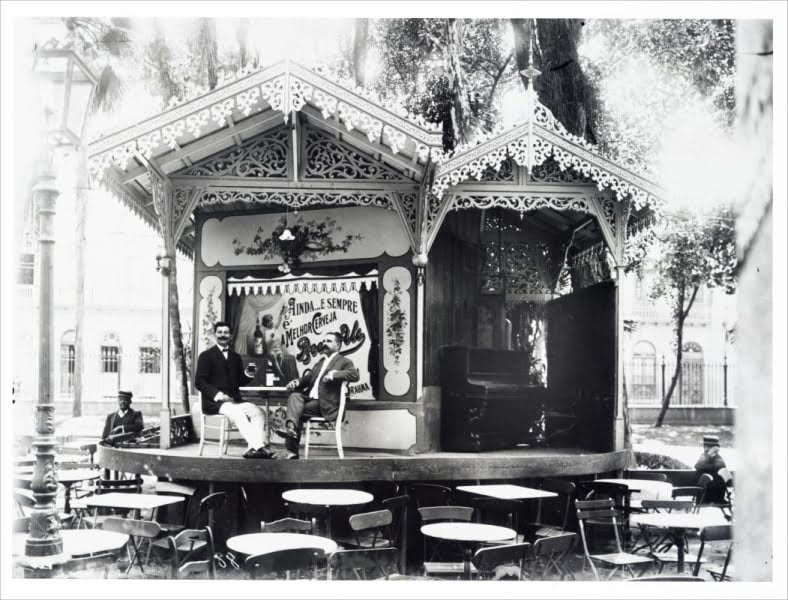
Em 1913, começou a cantar de forma amadora, em todas as reuniões das quais participava. Ele costumava se apresentar também no Chopp Berrante, apelido do quiosque ao livre que ficava na calçada na Rua do Passeio, no Rio de Janeiro.
No local havia um teatrinho, onde ele se apresentava ganhando um pagamento simbólico. Era uma maneira de ficar conhecido do público e, quem sabe, alcançar fama. Em algumas noites, ele cantava em italiano, idioma nativo dos pais.
Mas logo passou a receber convites para se apresentar em clubes recreativos do Rio de Janeiro, onde recebia cerca de 10 mil réis por dia. O dinheiro era repassado aos pais, para amenizar a situação financeira delicada da família.
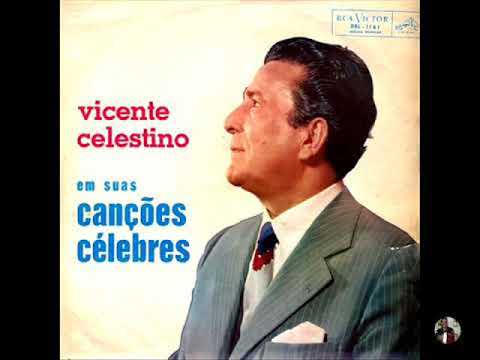
Profissionalismo
A primeira oportunidade de sair do amadorismo foi em 1914, quando o coronel Alvarenga Fonseca, então diretor da Companhia do Teatro São José, em São Paulo, o convidou para se apresentar no local. Sua estreia profissional foi cantando a valsa Flor do Mal na peça Chuá, chuá, faixa que entrou em seu primeiro disco, gravado pela Casa Edson.
Depois Vicente foi cantar como corista na companhia montada pelo imigrante italiano Paschoal Segretto, célebre descobridor de talentos da época.
Em 1915, o cantor foi contratado pela Companhia de Leopoldo Fróes. Ao mesmo tempo, trocou a gravadora Casa Edson pela Odeon e gravou três modinhas de autores desconhecidos.
No ano de 1919, Vicente Celestino começou a participar de operatas como Amor de Bandido e Juriti, ao lado de atrizes-cantoras, como Laís Areda e Carmen Dora. Ele começou também a auxiliar na montagem de óperas como Tosca, Aida e Carmen.
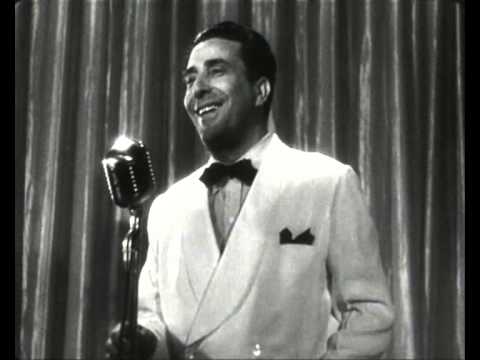
Vicente Celestino e a era de ouro
Quando sistema elétrico de gravação chegou ao Brasil para substituir a gravação mecânica, em meados da década de 1920, a história conta que Vicente precisou de um tempo de adaptação. Sua voz era muito potente para os equipamentos da época e muitas vezes ele gravava a 20 metros ou até mesmo de costas para os microfones.
Até que a Odeon trouxe um engenheiro de fora do Brasil para ajustar os equipamentos e finalmente fazer o cantor gravar com a boca no microfone.
Vicente Celestino reinou absoluto na década de 20 e ficou consagrado como Rei da Canção, iniciando uma das mais brilhantes e longas carreiras da história da música brasileira. Ele se tornou um dos expoentes da era de ouro da música feita no Brasil, ao lado de outros grandes cantores, como Mário Reis e Francisco Alves.
Nos anos seguintes, ele saiu da Odeon e teve uma breve passagem pela gravadora Columbia. O motivo de sua saída da Columbia foi um disco que Vicente achou que não tinha qualidade, mas que foi levado pela empresa às lojas mesmo assim.
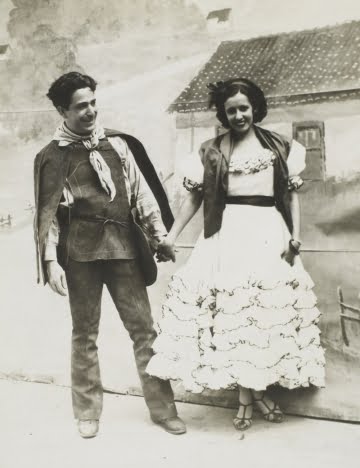
Gilda Abreu e as composições
Em 1933, ao atuar na burleta A Canção Brasileira, Vicente Celestino conheceu Gilda Abreu, cantora, escritora, atriz e cineasta. Os dois se casaram em 25 de setembro do mesmo ano e Gilda passou a conduzir a carreira do casal, levando Vicente ao cinema e à composição, pois até então ele era apenas intérprete.
Em 1935, Vicente Celestino ingressou na RCA Victor, onde ficou pelo resto de sua vida. Ele recebia um salário fixo de 50 mil réis e um adicional sobre as vendas de discos, algo inédito naquele período.
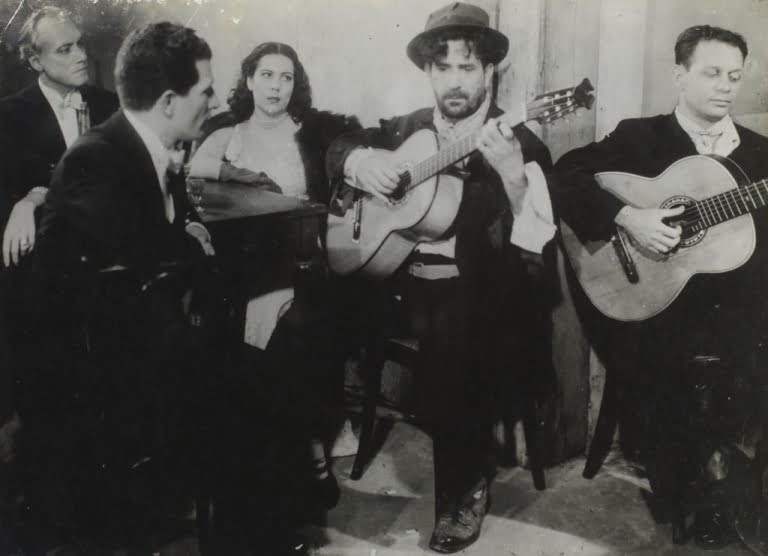
Muitas das canções compostas por Vicente Celestino nasceram no violão e piano, instrumentos que ele dominava. Duas delas dariam o tema, mais tarde, para dois filmes de enorme público: O Ébrio (1946), peça teatral que foi transformada em filme por sua esposa Gilda Abreu, e Coração Materno (1951), que também fez muito sucesso.
Legado artístico
Ele passou por todas as fases e modismos da música brasileira, ainda que na década de 1950 os temas de traição e sofrimento por amor tenham saído um pouco de moda. Ele se manteve fiel ao estilo que consagrou e, no final dos anos 50, gravou músicas como Conceição, Creio em Ti e Se Todos Fossem Iguais a Você.
O cantor nunca saiu do país, mas em compensação excursionou por todo o Brasil e ganhou bastante dinheiro em sua fase áurea. Seu reconhecimento artístico também é inegável, já que teve canções regravadas por grandes nomes, incluindo Caetano Veloso, Marisa Monte e Mutantes.
Na fase mecânica de gravação, lançou cerca de 28 discos, com 52 canções. Com a chegada da gravação elétrica, em 1927, começou a lançar sucessos cantados em todo o Brasil. No total, gravou em 78 RPM cerca de 137 discos, com 265 canções, mais dez compactos e 31 LPs, incluindo reedições dos 78 RPM.

Morte e homenagens
Vicente Celestino morreu de infarto em 23 de agosto de 1968, aos 74 anos, no Hotel Normandie, em São Paulo. Ele estava de saída para uma apresentação na famosa gafieira Pérola Negra, com Caetano Veloso e Gilberto Gil, que seria gravada para um programa da TV Record, uma homenagem do Movimento Tropicalista ao cantor.
Seu corpo foi transferido para o Rio de Janeiro, onde foi velado por uma multidão na Câmara dos Vereadores e sepultado sob palmas do público no Cemitério São João Batista.
Legado de Vicente Celestino
Em 13 de março de 1999 foi inaugurado em Conservatória, distrito de Valença no Rio de Janeiro, o Museu Vicente Celestino e Gilda de Abreu. A maior parte do acervo foi doado pela família do cantor, incluindo fotografias, recortes de jornais e revistas, instrumentos musicais, roupas e objetos pessoais, como o figurino utilizado no filme O Ébrio. Os visitantes também podem assistir a vídeos e ouvir gravações do artista.
Vicente Celestino também recebeu várias homenagens ainda em vida, como a Medalha de Honra ao Mérito do Trabalho, em 1965, do então presidente Humberto de Alencar Castelo Branco. Em 1967, o júri do Festival Internacional da Canção o concedeu o diploma A Expressão Máxima da Canção.
Na cidade de Nilópolis, no Grande Rio, existe a Rua Vicente Celestino, localizada na entrada da cidade, na altura do bairro Santos Dumont. Em Sorocaba, no interior de São Paulo, uma rua também leva seu nome.
Newsletter
Últimas do Italianismo
Todo dia, às 18h, um resumo do que aconteceu na Itália direto no seu e-mail.
É gratuito e você cancela quando quiser.