




































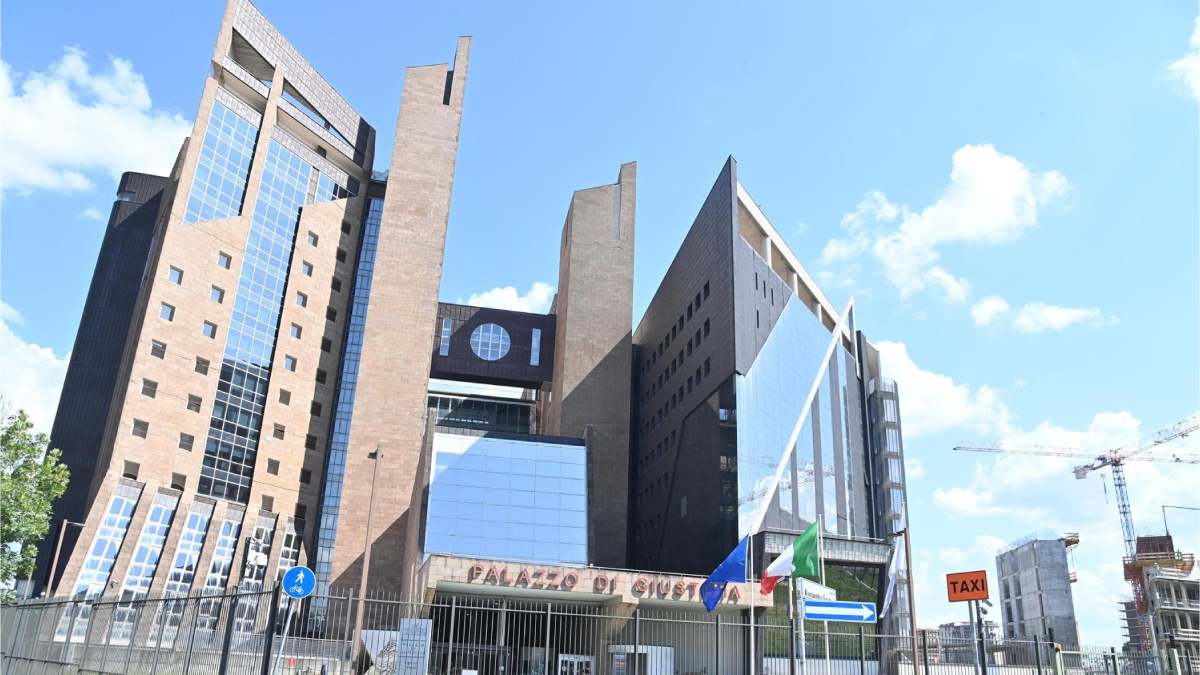
Um tribunal de Florença, na Itália, alertou para os riscos do uso da inteligência artificial (IA) no meio jurídico, após um advogado citar decisões inexistentes em audiência. O episódio ocorreu durante um julgamento sobre violação de direitos autorais envolvendo o uso de desenhos em camisetas.
A audiência foi realizada em março, mas o caso veio à tona nesta quinta-feira, 17. Segundo o site jurídico Diritto.it, o advogado de defesa apresentou como argumento algumas supostas decisões da Suprema Corte. As referências, no entanto, não existiam e teriam sido geradas pela ferramenta ChatGPT.
Os juízes verificaram os documentos e constataram que se tratava de decisões falsas. Questionado, o advogado afirmou que o material havia sido preparado por um colega do escritório.
O tribunal considerou abrir processo com base no artigo que pune quem age de má-fé em julgamento. No entanto, os magistrados decidiram não prosseguir com a acusação. Eles atribuíram o erro ao uso incorreto da inteligência artificial.
Em decisão datada de 14 de março, os juízes chamaram a atenção para o fenômeno das “alucinações” de IA. O termo se refere a respostas imprecisas ou completamente falsas produzidas por ferramentas do tipo, quando estas apresentam informações sem respaldo em dados reais.
Justiça e tecnologia
A situação reacende o debate sobre o uso da IA no sistema judiciário. Embora ofereça recursos para pesquisa e análise, o uso indiscriminado pode comprometer a integridade de processos legais.
O tribunal ressaltou a importância de validação humana nas informações extraídas dessas ferramentas.