












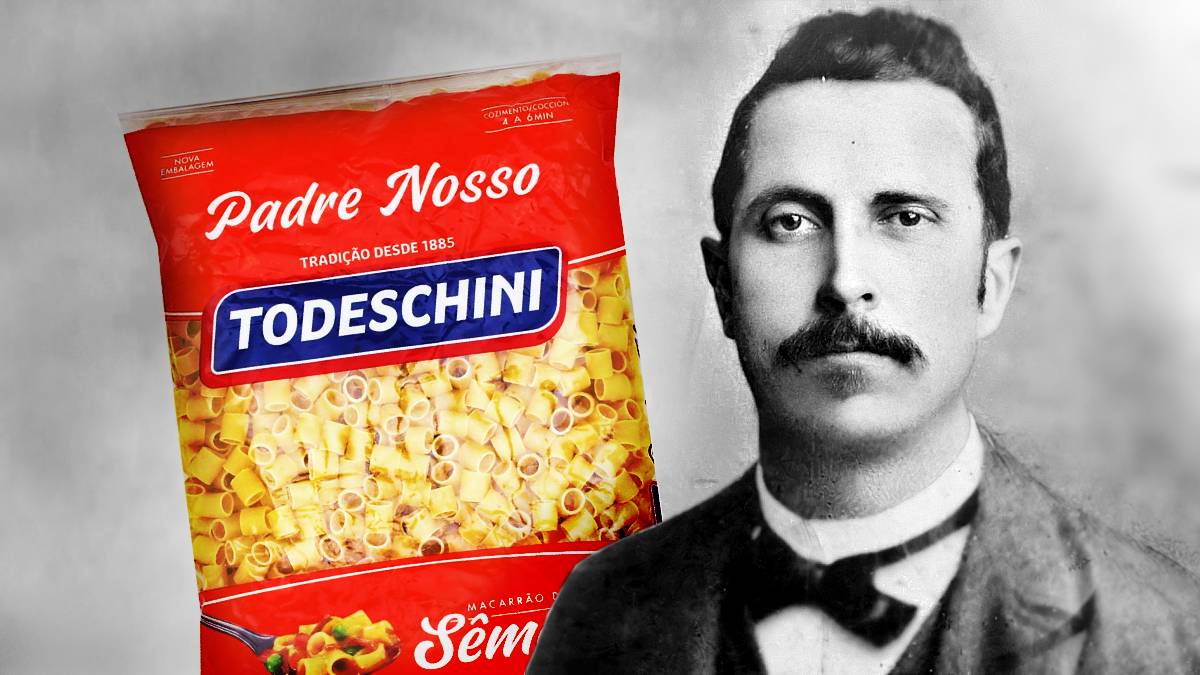
Giuseppe Todeschini arrived in Brazil at the end of the 19th century. Later, he created the Todeschini food factory, eternal in memory of Brazilians.
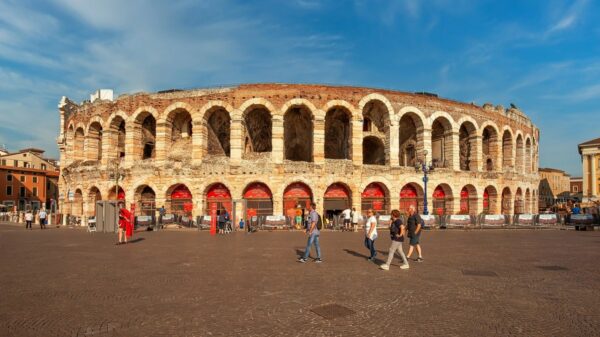
It all started in 1877, when carpenter Giuseppe Todeschini, born in the city of Arcole, province of Verona, in the region of Veneto, at Northern Italy, decided to come to Brazil.
At that time of many economic difficulties which his country crossed, he followed the flow of thousands of Italians who disembarked in South America, with the dream of finding decent work e form a family.
Born in August 3th, 1851, Giuseppe was 26 years old, and together with a cousin, he started 27 day trip since port of Genoa until the port of Paranaguáin the state of Paraná. He settled in the town of Anhaia, in the municipality of Morretes, where several Italian immigrants already lived, but eight months later, he went up to Serra do Mar and went to live in Curitiba.
Work and family in Curitiba
Upon arriving in Curitiba, in 1878, Giuseppe Todeschini decided to start working in the area he still dominated in Italy. For the next seven years, he devoted himself to craft of building houses for immigrants living in the colonies Muricy e Imbituva.
Still in 1878, the young immigrant married Domina Cemin, with whom he had eight children. Six years later, in 1884, Giuseppe bought a farm where the intersection of the 7th of September Avenue with Rua Bento Viana, in Curitiba.
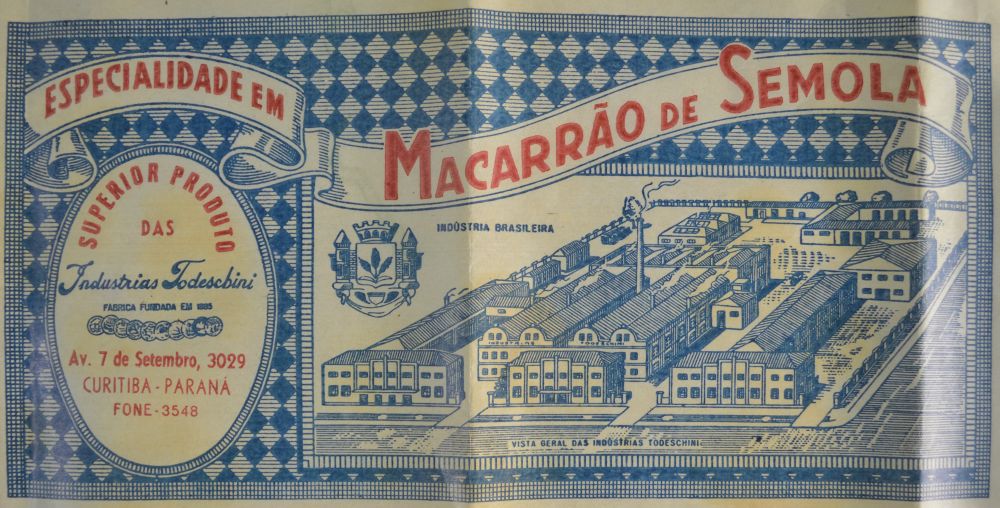
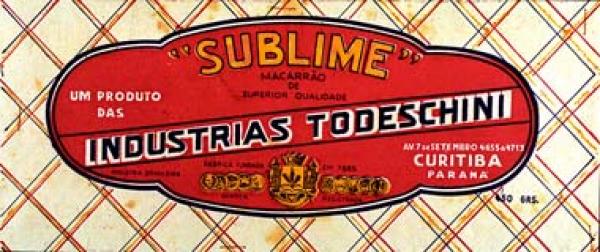
It was in this modest wooden house that he decided to change the direction of his life, founding the company there. first pasta factory of Southern Brazil, in 1885. Later, he built a small two-story brick chalet next to the house and hired six employees.
Todeschini's challenges and friendships
Making pasta, at the end of the 19th century, in a city where mass was practically unknown, it was no easy task. Without appropriate machinery, Giuseppe himself set up a manual press and, later, powered by animal traction.
But the biggest challenge was overcoming the distrust of Curitiba residents regarding the new product. Determined to succeed in his venture, the young Italian began offering the product from house to house, aboard a cart, to be able to sell the pasta, unknown food of the majority of the population of the capital of Paraná.
What was a young man's temperament? happy and communicative, he would often also describe the nutritional value of the food, teach the best way to prepare it and even explain to customers how to curl spaghetti on the fork.
In this way, he ended up making several friends and it was not uncommon for him to end up tasting pasta in company of customers.
Diversification and changes
These were the first years of Food paste factory by Giuseppe Todeschini, name of the company until 1900. Afterwards it would receive the names Giuseppe Todeschini & Sons (1900 to 1911), Raphael Todeschini & Brothers (1911 to 1922), Todeschini & Brothers (1922 to 1939), Todeschini Industries Ltd. (1939 to 1956) and, from 1956 onwards, Todeschini Industries S/A.
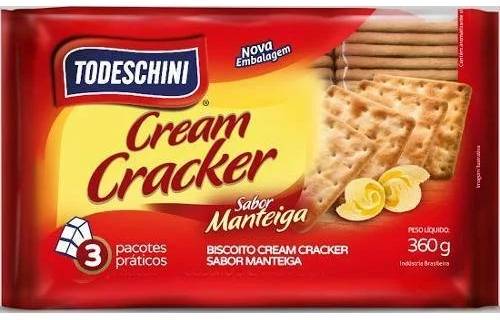
In 1932, the company began manufacturing bullets and, 20 years later, cookies. Then the candy maria-mole, kid's foot e lollipop, between others. They also produced ice cream cups, a line that ended up being deactivated later. However, the flagship product was always pasta, which years later began to share space with cookies.
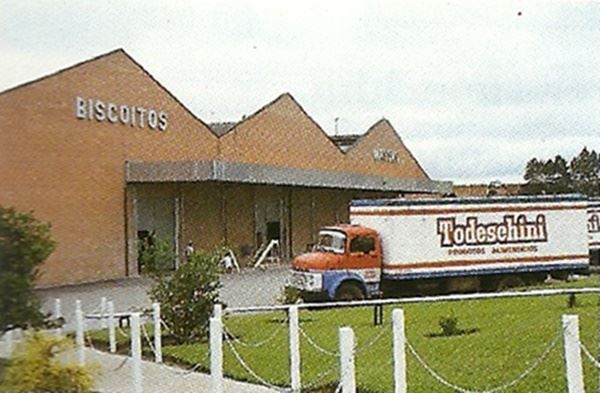
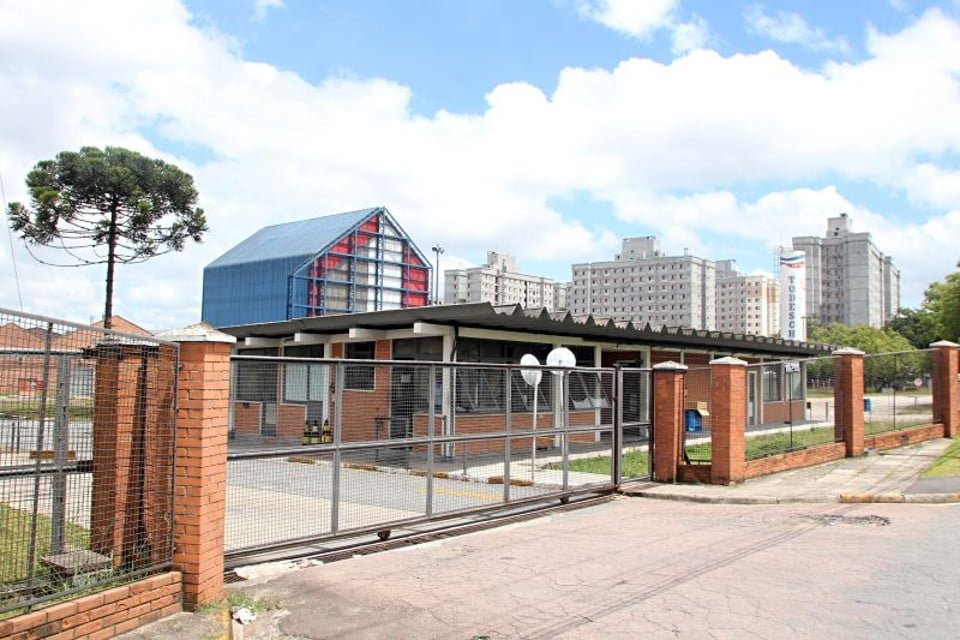
Until 1975, Todeschini Industries occupied the 12 thousand square meters of the farm at the intersection of Avenida 7 de Setembro and Rua Bento Viana. After that, the company was transferred to 63 thousand square meters in the neighborhood of Pinherinho, on the banks of BR-116, currently the Green Line.

Generations and crises
Italian immigrant Giuseppe Todeschini died on August 7, 1922, at 71 years of age. Among Giuseppe's sons, only João and Rafael participated in the company. Later, Rafael left the business and João and Adriano, son of Tarquínio Todeschini, brother of Giuseppe.
João had four sons: Antônio, Italo and Caesar. The latter married Lígia and the couple had children Pedro, Guimar, Sérgio and Roberto Elói, who started working at the company at age 17 and became director in 1968. He continued the business and made the increasingly well-known brand.
In 2002, changes in the market and financial crises of the country ended up shaking the company. With the fourth generation already in charge after the death of the founder, the Todeschini chose to professional administration and began to occupy positions in the Board of Directors.
In 2006, with the company still in crisis, the solution to avoid closing its doors was a partnership with Imcopa, a soybean oil and meal processor based in Araucaria. However, two years later, Imcopa suffered a loss of R$141 million due to exchange rate fluctuations during the financial crisis.
The End of an Era
After other attempts at professionalization, which did not work out, the company signed a partnership with the company from Paraná AC Comercial. However, successive and persistent crises led Todeschini to close the doorsIn 2013.
Under the command of Giuseppe's great-grandson, Roberto Elói, Todeschini came to occupy the position of one of the 20 Largest Noodle and Biscuit Manufacturers from the country. Its production was three thousand tons per month of 17 types of pasta (with eggs and semolina) and 1,8 ton per month of 12 types of cookies, including sweet and savory.
No Paraná, the company came to have 38% of the market, and was also well known in the other states of the South, in addition to the interior of São Paulo, Mato Grosso do Sul, Mato Grosso and Rio de Janeiro.
The return of the Todeschini brand
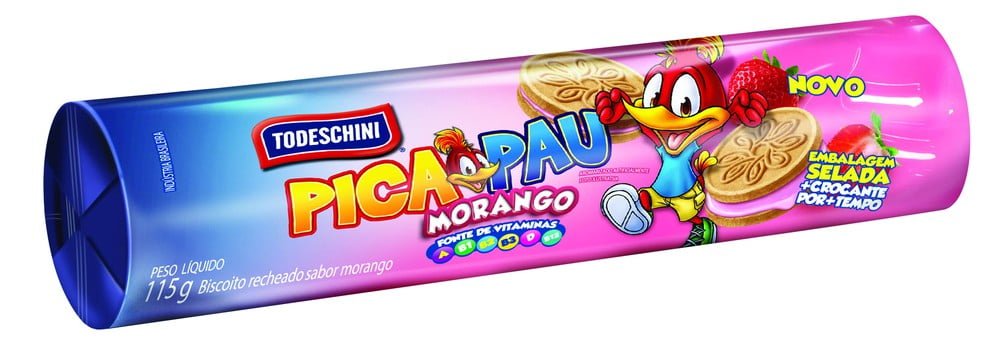
In 2017, the Todeschini brand returned to the gondolas of supermarkets, after the São Paulo industry Selmi, also founded by Italians and manufacturer of products Gallic e Renata, licensing the Curitiba brand and starting to produce pasta and cookies under the name of the legendary company. In March 2021, Selmi announced the definitive purchase of the brand.
The story of the Italian immigrant Giuseppe Todeschini is another example of what persistent work can do for a country, which over the last few decades has seen the company created by his family grow up and become one of most loved brands of the Brazilian industry.
By Roberto Schiavon/Italianism