

























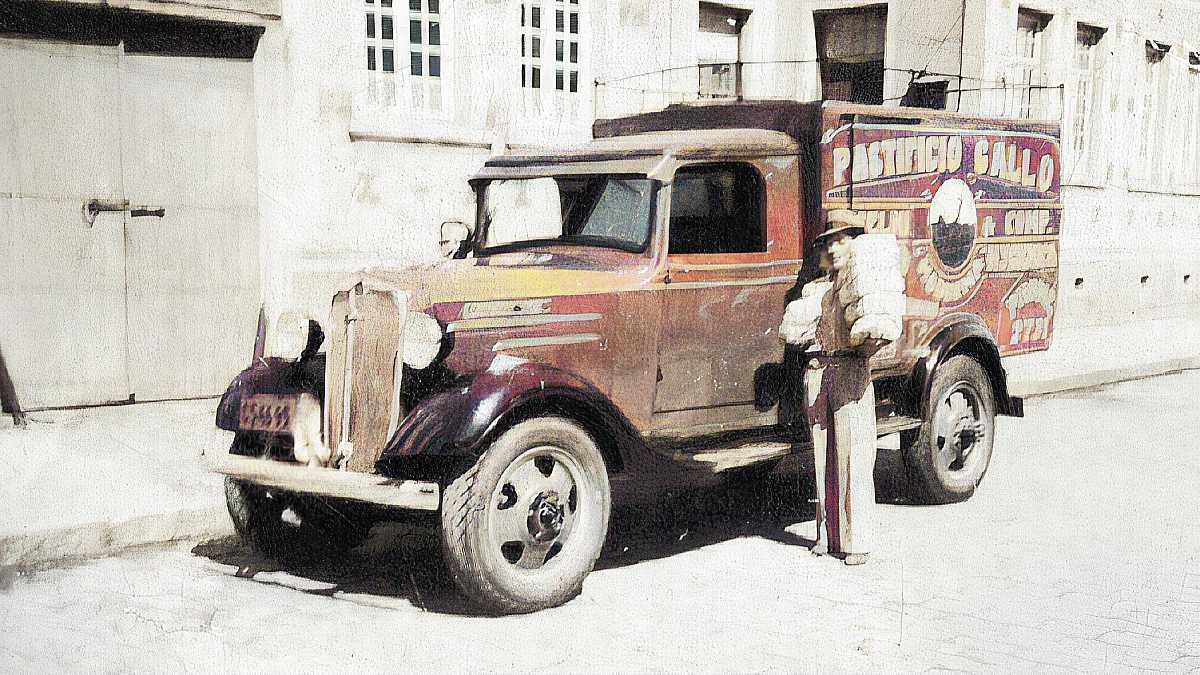
The immigrant Adolpho Selmi came from Lucca, north of Italy, to make history. The Renata and Galo brands came from his work selling spaghetti in the streets.
On August 16, 1887, the Italian Adolpho disembarked at Port of Santos, at the age of 25, with the dream of spreading the greatest gastronomic tradition Of your country.

Em Campinas, in the interior of São Paulo, the city he chose to live in, Adolpho started producing his pasta manually. This is how the little girl was born Adolpho Selmi Pasta Factory.
As the production could fit in a basket, the noodles were sold on the city streets. Its main customers were fellow countrymen, who came to appreciate the fresh pasta, produced with aromas and flavors from the nostalgic Italy.
Society
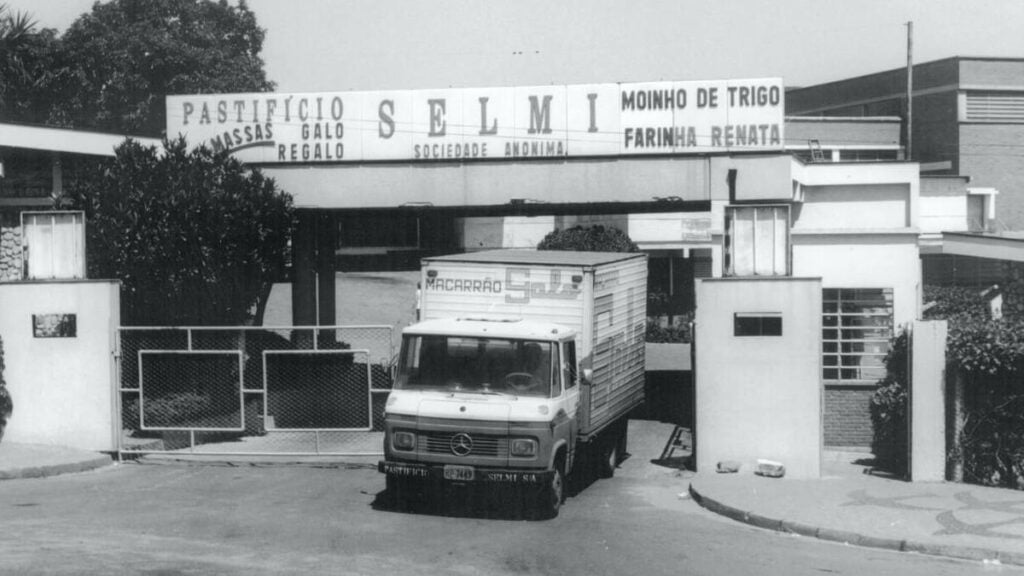
At the end of the 19th century, Adolpho Selmi became a partner with another Italian, Hugo Gallo, the name that gave rise to his first brand of pasta. Production using the manual press gave way to animal-drawn marombas. Years later, the pasta began to be produced in a boiler, which fed the locomobile, a steam engine for heavy loads.
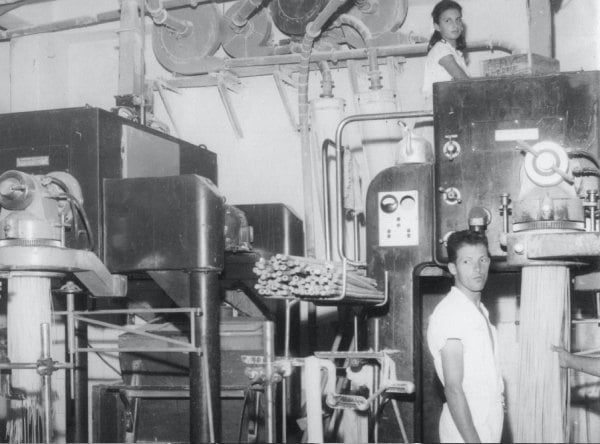
Electrical installations arrived in Campinas in 1911, which facilitated the development of industries. Thus, the Selmi factory imported the electric massagers, speeding up the process and increasing production.
Adolpho Selmi's children in charge
Ten years later, Gallo pasta was already a favorite among Italian immigrants in Brazil. Expecting a great future for the business, Adolpho's eldest son, Aladdin Selmi, graduated in accounting.
In 1931, the factory moved to Rua Francisco Teodoro, in Vila Indústria. Three years later, the first pasta semolina was released by Selmi. Over the years, Aladino began to command the company, with the collaboration of his children, Renato, Luciana and Regina.
In 1939, new machines were imported from Italy to improve production and Selmi was consolidating itself in the regional market. Aladino Selmi definitively became owner of the company, in partnership with his son Renato Selmi. At 18, Renato already dominated the manufacturing process, learned when I was a production assistant.
New facilities and products
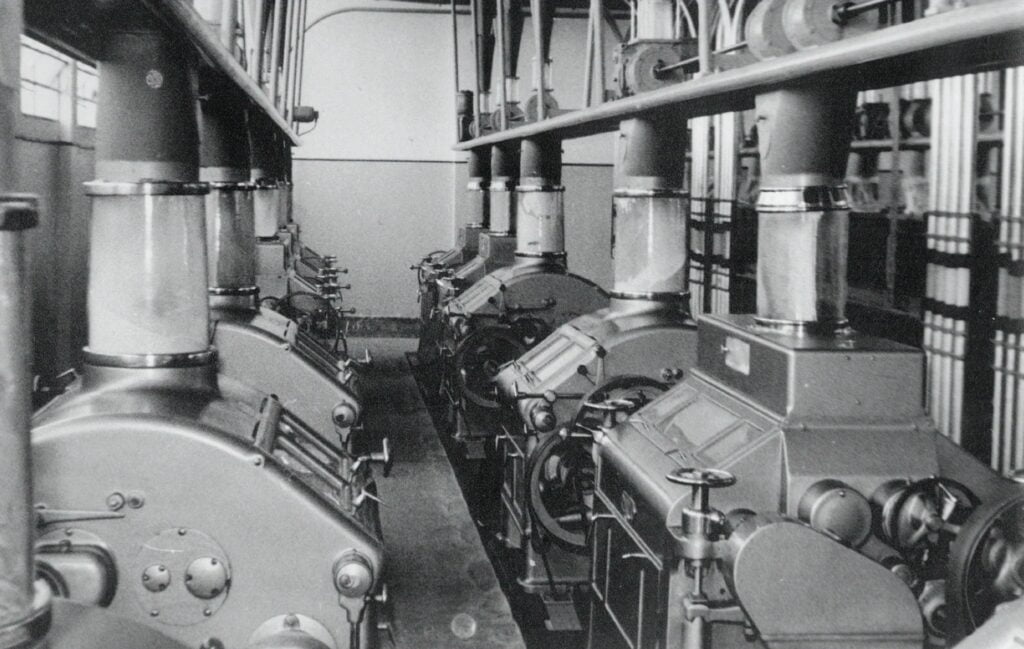
With Aladino in charge, the company was renamed Pastificio Selmi S/A, in 1956. At the same time, a new factory plant was designed to house production, mill and administrative area.
The mill to process wheat grains was purchased in 1962, the same year in which Aladino Selmi founded the Bank City of Campinas. Share sales made it possible to increase production and open the new headquarters, on Avenida Mirandópolis, Vila Pompéia.
Also in the 60s, Pastifício Selmi S/A opened a new factory in Londrina-PR, with an eye on the market in the southern region of the country. The unit specialized in the manufacture of pasta such as spaghetti, nest, penne and other cuts.
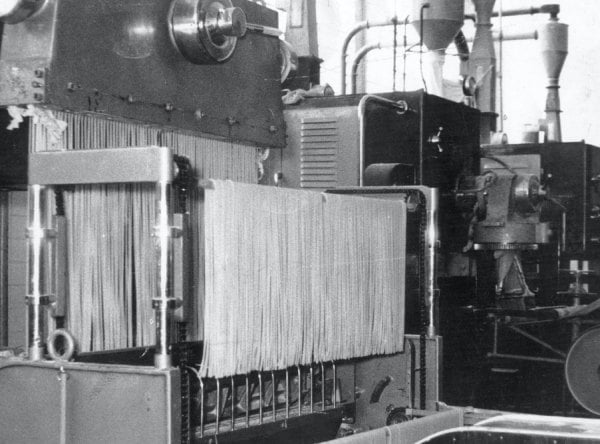
The Renata brand is born
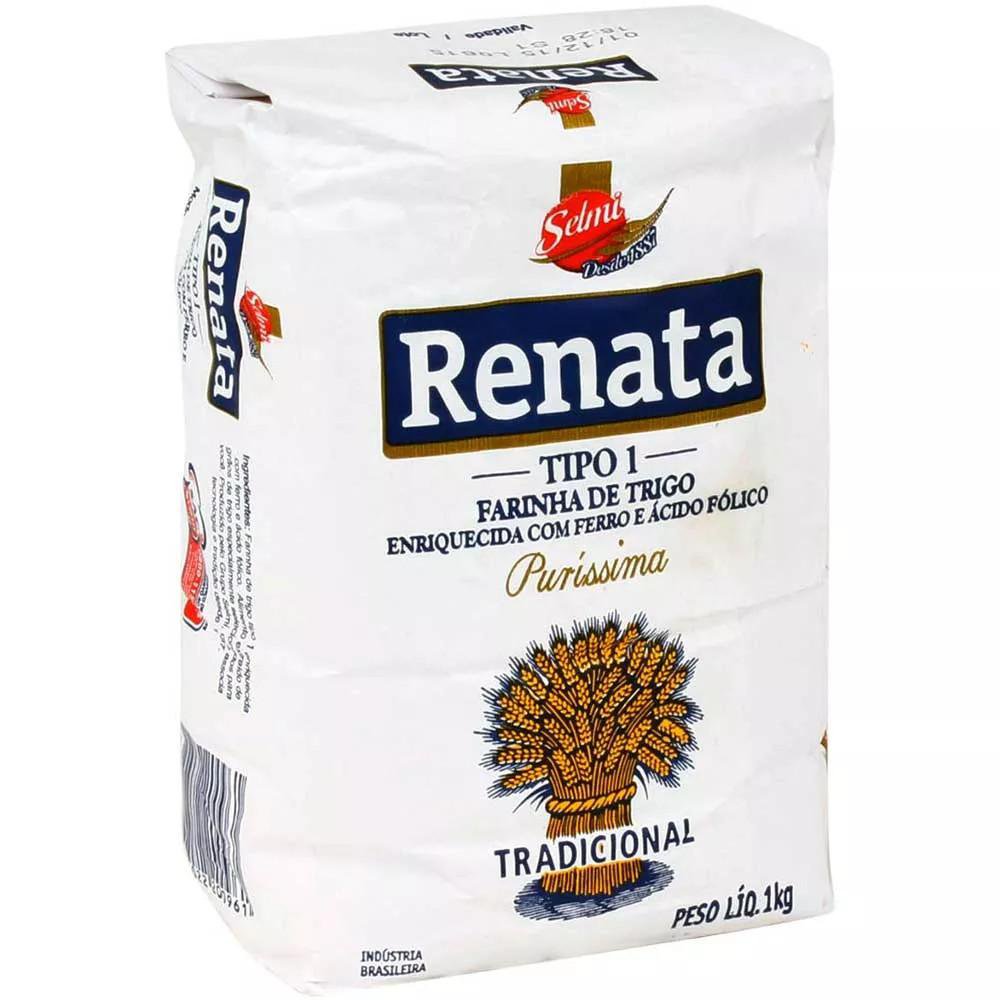
In the 70s, Renato Selmi chose the name of his daughter, Adolpho Selmi's granddaughter, to name the wheat flour launched by Selmi. Thus arose the Renata brand.
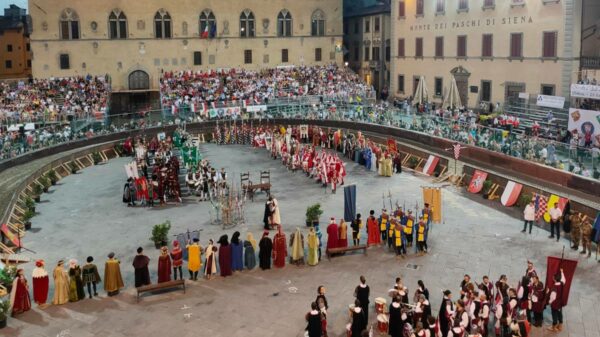
At the time, the company's recognition resulted in honors such as the Gold Medal and Merit Diploma awarded in the city of Pistoia, in the Tuscany region of Italy. The motherland recognized the efforts of Italian immigrants for the development of other countries.
In the 80s, the company founded by Adolpho Selmi expanded to markets such as Belo Horizonte, Rio de Janeiro, the south of the country and the interior of São Paulo. The company received the XXII International Food and Beverage Award, in Dusseldorf, in Germany, in recognition of the excellence of its products.
In the 90s, Selmi was a pioneer in the manufacture of pasta durum wheat in the country. Other investments took the company to first place in pasta sales in Brazil and to inaugurate a new factory in Sumaré-SP. New products were launched, such as the line of cookies quality ready-made cakes.
Since the 2000s, the Selmi Group has operated entirely in Sumaré and continues to expand. In 2010, the company invested more than R $ million 80 to open a new factory not Northeast.
Adolpho Selmi's brand is sport and solidarity
The brand sponsors the Volleyball Renata, a men's volleyball team from Campinas, which that year reached the semi-finals of the Superliga.

In March, the company delivered five tons of pasta Campinas Food Bank, which during the pandemic has been serving 139 assistance entities and benefiting around 50 thousand people.
The team received the solidarity certificate of permanent donor from the Campinas Food Bank for three consecutive years. In ten years, the company donated 125 tonnes of non-perishable foods.
This empire, which unfolds in several collaborations for the community, was built from the immigrant dream Adolpho Selmi, to promote Italian pasta, first among fellow countrymen and then to all Brazilians.
By Roberto Schiavon | Italianism