













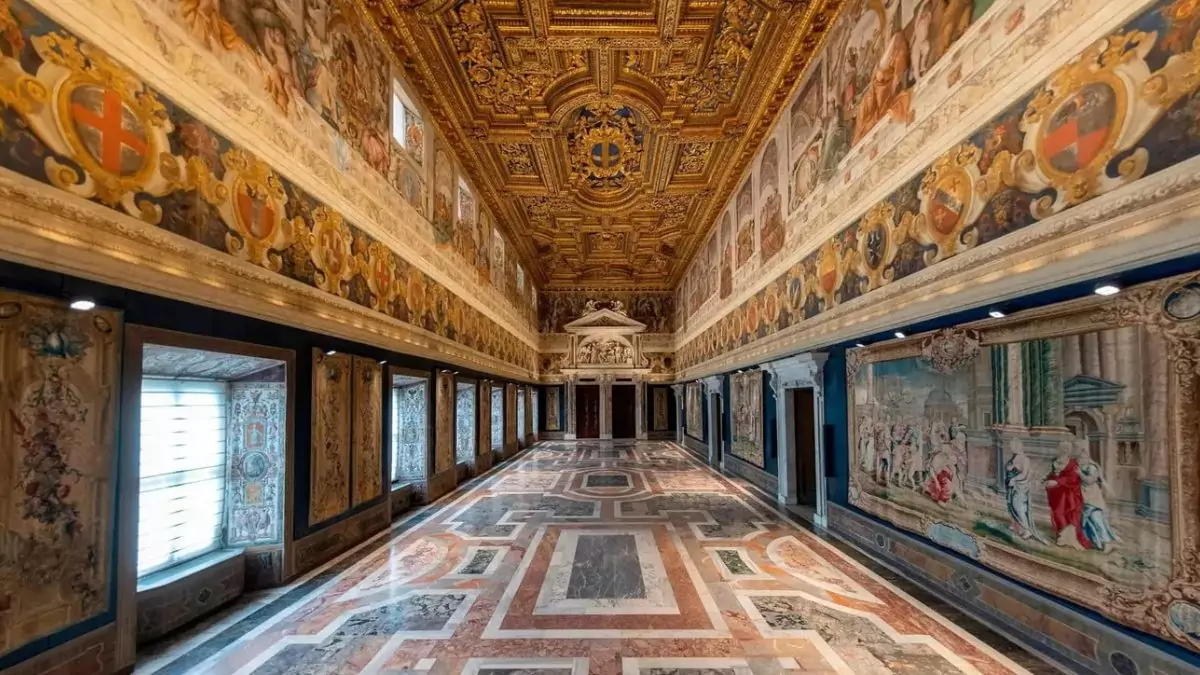
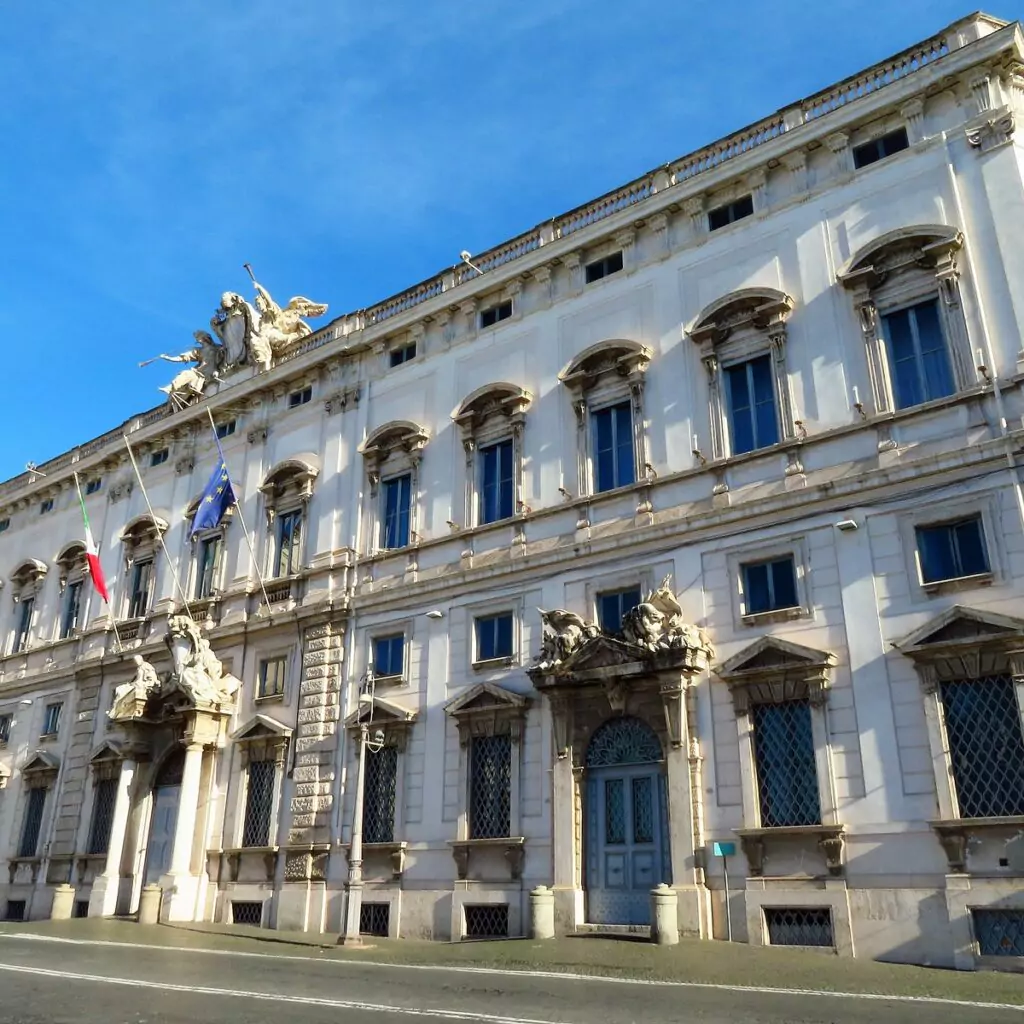
O Quirinale PalaceThe Cathedral in Rome is today the official seat of the Presidency of the Italian Republic. Before hosting presidents, foreign dignitaries, and state ceremonies, however, the building was one of the main residences of the popes and a center of papal power for more than two centuries.
There is an institutional distinction: the Quirinale Palace does not house the Italian government. The Constitution defines the President of the Republic as the head of state, while the leadership of the government falls to the President of the Council of Ministers, a position equivalent to that of prime minister. The government operates from the Palazzo Chigi, also in Rome.
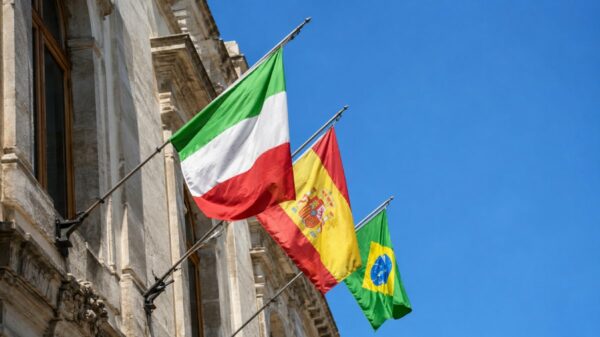
The separation often causes confusion among Brazilians. In Brazil, the president holds both the positions of head of state and head of government. In Italy, the two roles are performed by different authorities in separate palaces.
A residence outside the Vatican.
In the 16th century, the land where the Quirinale Palace now stands was home to a villa belonging to the Carafa family. The property was rented in 1550 by Cardinal Ippolito d'Este, who transformed the former vineyard into a garden with fountains, sculptures, and water features.

The Supreme Court reaffirmed: citizenship is born with the person.
- New legal front opened
- Processes can still be filed.
- Individual assessment before any decision.
Because it occupied an elevated area considered healthier, the property attracted Pope Gregory XIII. Between 1583 and 1585, the architect Ottaviano Mascarino expanded the villa at the pontiff's behest and built the initial core of the current palace.
Sixtus V bought the Carafa estate in 1587 to transform it into summer residence of the papacy. As the building was too small to accommodate the papal court, the architect Domenico Fontana was given the task of expanding it. The pontiff died at the Quirinale in 1590, before all the works were completed.
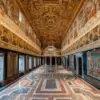
Much of the palace's current form emerged during the pontificate of Paul V, between 1605 and 1621. Papal apartments, audience halls, and the Cappella Paolina, intended for celebrations at the papal court, were built.
At that time, the popes were also sovereigns of the Papal States. The Quirinal Palace, therefore, served not only as a residence: it was a place for audiences, ceremonies, and decisions of the Church and the State governed by the pontiff.
This period was interrupted during the French occupation of Rome. In 1809, Napoleonic troops captured Pius VII and took him to France. The Quirinale was prepared to serve as his residence. Napoleon Bonapartebut the emperor He never actually settled there.Pius VII recovered the palace upon returning to Rome in 1814.
Four conclaves in the Quirinal
The Cappella Paolina was built in the 17th century with dimensions and layout similar to those of the Sistine Chapel. This allowed papal ceremonies to be held both in the Vatican and in the Quirinale Palace.
Between 1823 and 1846, the chapel hosted four consecutive conclaves. The first elected Leo XII. The last chose Pius IX, who would also be the last pope to occupy the palace.
From papal palace to seat of the Republic
The use of the Quirinal Palace as a papal residence ended in 1870. After the capture of Rome and the opening of the Porta Pia breach, the city was annexed to the Kingdom of Italy, and the former papal palace became the residence of the royal family.
Pius IX remained in the Apostolic Palace, in the Vatican area. This does not mean that the Vatican City State already existed: its creation only occurred in 1929, with the Lateran Pacts, which brought an end to the so-called Roman Question between the Holy See and Italy.
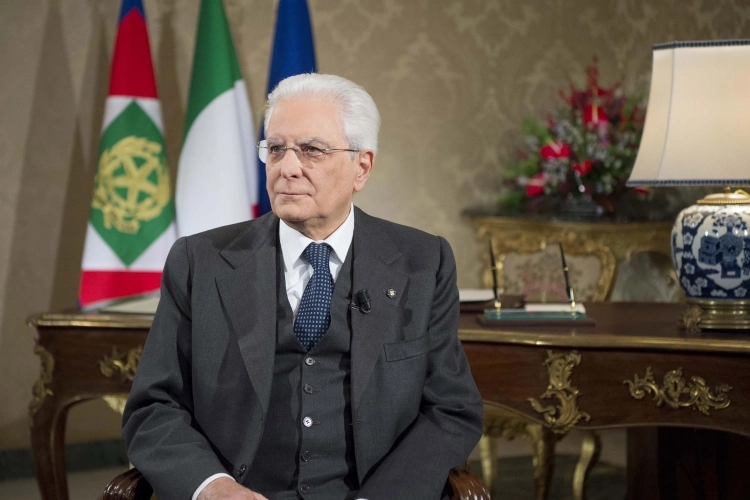
With end of the Italian monarchyIn 1946, the Quirinale Palace became the seat of the Presidency of the Republic. Parts of its buildings still retain their pontifical origins, such as the Cappella Paolina, the Cappellina dell'Annunziata, former papal apartments, and rooms that housed works commissioned by various popes.
The first pope to officially return to the Quirinale Palace after 1870 was Pius XII, in December 1939. He entered the former papal palace as a visitor of the king. Vittorio Emanuele III, ten years after the signing of the Lateran Pacts.