



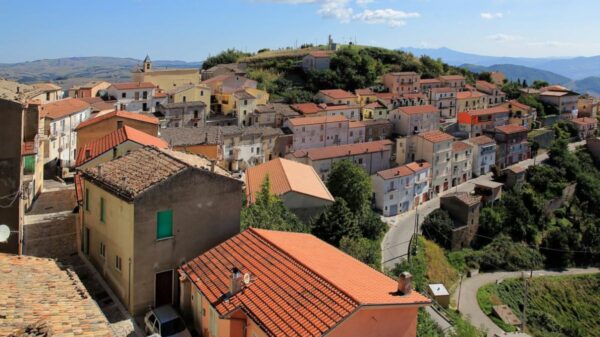











Strolling through Italian streets, whether they are alleys in a historic center or busy avenues, is like walking through the history of figures who shaped the country.
The names on the signs, often unnoticed by pedestrians, tell the stories of politicians, generals, inventors and even kings who played a central role in the construction of modern Italy. Discover some of the personalities whose names are given to the country's streets and squares.
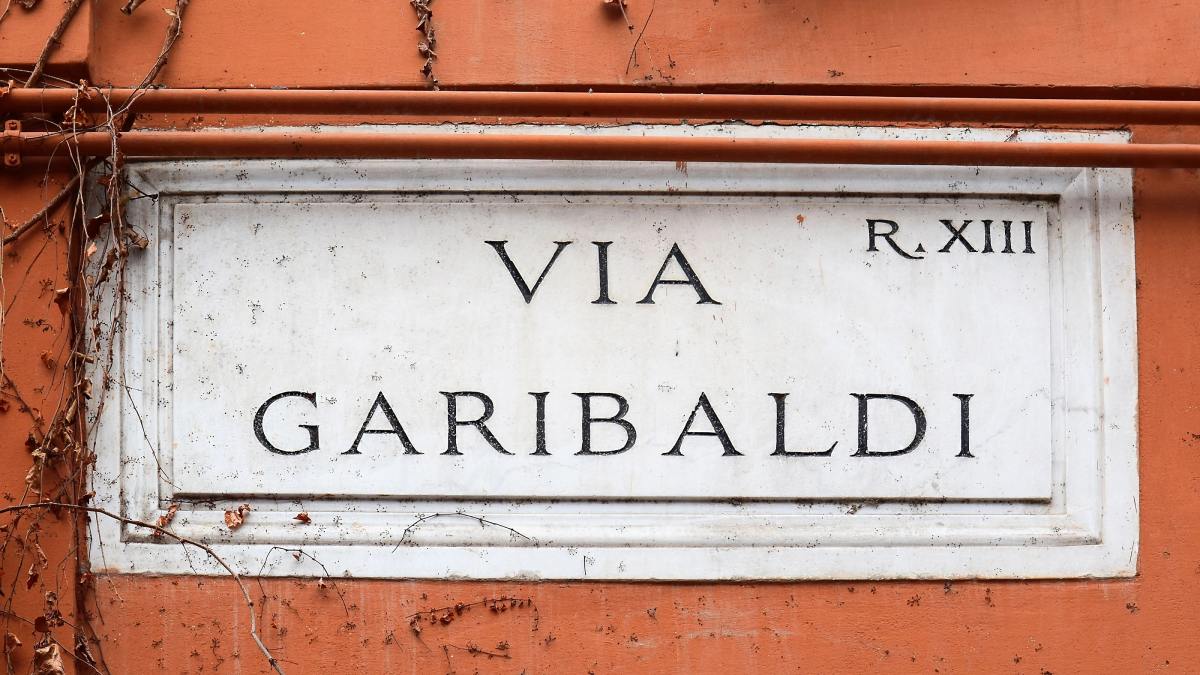
Giuseppe Garibaldi
Giuseppe Garibaldi is one of the most common names on Italian streets. He was one of the main leaders of the 19th century unification movement, the Risorgimento. His military campaigns, especially the famous Miles expedition (Expedition of the Thousand), which began in Genoa and culminated in the conquest of Sicily and Naples, were fundamental to the unification of Italy under the reign of the House of Savoy.
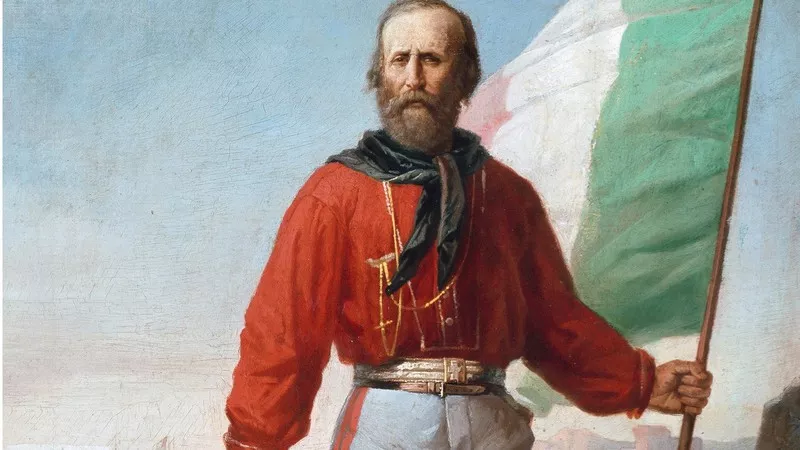
Garibaldi is remembered not only for naming streets after him, but also for his statues scattered throughout squares throughout the country.
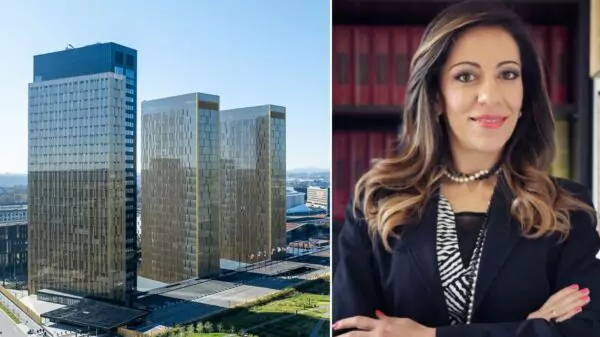
The new law will now be reviewed by the European Union's courts. And there are European precedents that strengthen the defense of descendants.
- New legal front opened
- Processes can still be filed.
- Individual analysis of your case.
Joseph Mazzini
Another crucial figure in Italian unification is Giuseppe Mazzini. The theorist and activist founded the revolutionary group Young Italy in 1831, who fought for a united and independent Italy.
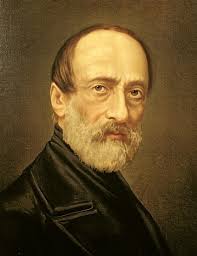
Mazzini spent much of his life in exile in London, where he continued to defend his ideas of unification through his newspaper Popular Apostolate. Although he was sentenced to death in absentia and his followers were executed, Mazzini returned to Italy at the end of his life and is remembered today as one of the central figures of the Risorgimento.
Camillo Benso, Count of Cavour
Camillo Benso, better known as the Count of Cavour, was the first Prime Minister of unified Italy and a key figure in 19th-century Italian politics.
Heir to a noble Piedmontese family, he founded the newspaper The Renaissancesupporting the unification movement. Furthermore, Cavour was one of the first to claim Rome as the capital of Italy, an idea that would come to fruition nine years after his death.
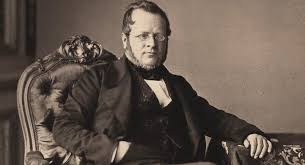
His name is present on several important streets in cities such as Rome, Palermo, and Florence.
Guglielmo Marconi
Guglielmo Marconi, the inventor of the radio, also has many Italian streets named after him. Born in Bologna in 1874, Marconi was responsible for one of the greatest technological innovations of the XNUMXth century.
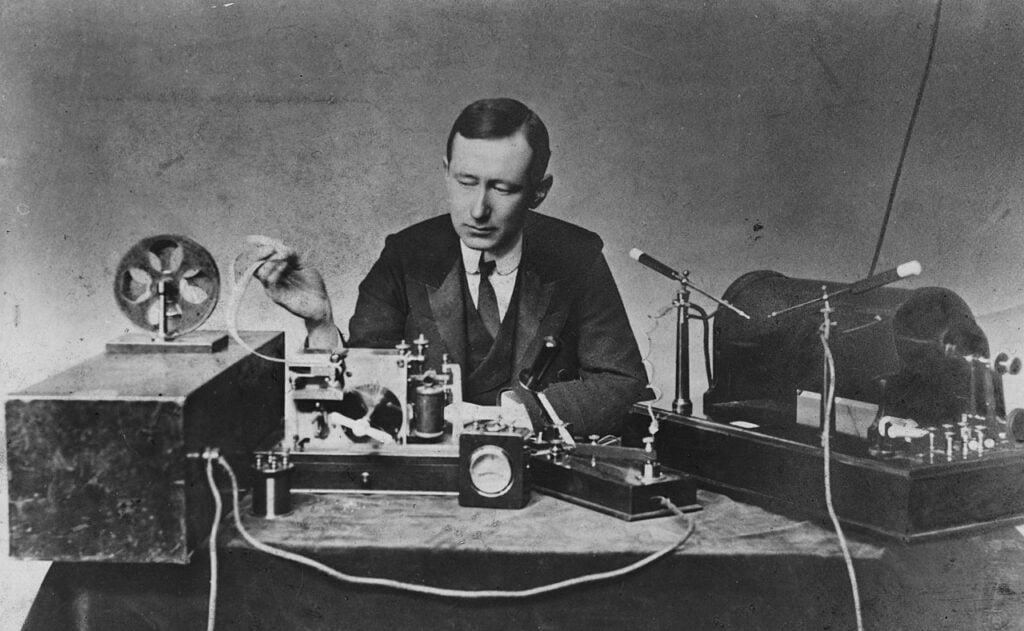
His invention of the wireless telegraph revolutionized global communication, earning him the Nobel Peace Prize in 1909. He also created the world's first wireless communications company, and his importance as a scientist and inventor is widely recognized not only in Italy but throughout the world.
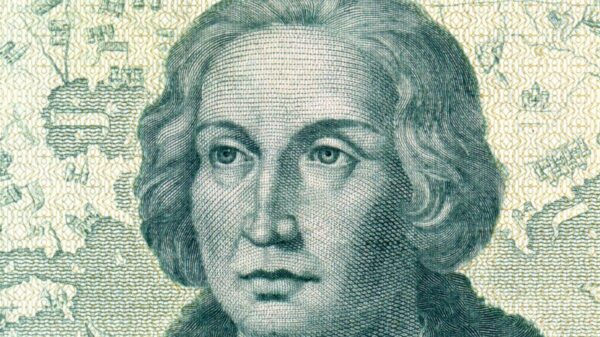
Christopher Columbus
Christopher Columbus, or Cristoforo Colombo, is a name that echoes on the streets of Italy and in many parts of the world. The famous Genoese explorer is remembered as the “discoverer of the Americas” after his voyage to the New World in 1492, financed by the Spanish monarchs Ferdinand and Isabella.
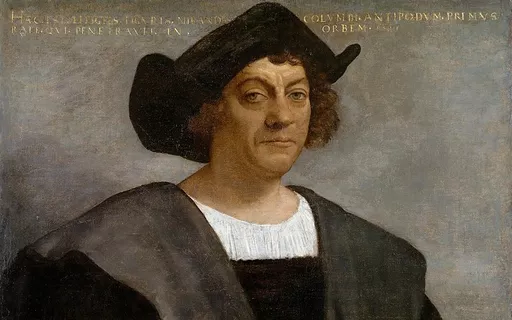
His contribution to the expansion of Europe's geographical horizons is recognized on street signs and monuments in several Italian cities.
Giordano Bruno
The philosopher and astronomer Giordano Bruno is a figure who defied the conventions of the Catholic Church. A defender of a theory that postulated an infinite universe, Bruno came into conflict with the religious dogma of the time and was sentenced to death for heresy in 1600.
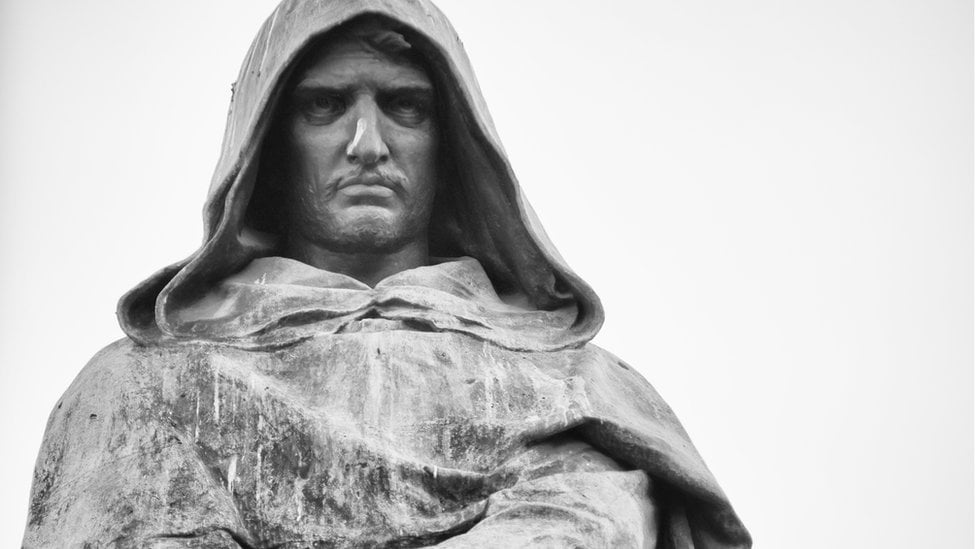
He was burned at the stake in Campo de' Fiori in Rome, where a statue now commemorates him. His name is present on streets that honor his courage and contribution to the advancement of science.
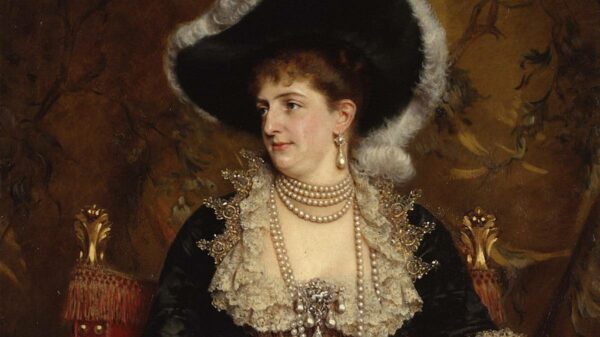
Margherita of Savoy, Queen of Italy
Margherita of Savoy, the first queen of a unified Italy, is another figure remembered on Italian streets.
Married to King Umberto I, she played an important role in the early Italian monarchy and is often remembered for her cultural and social contributions.

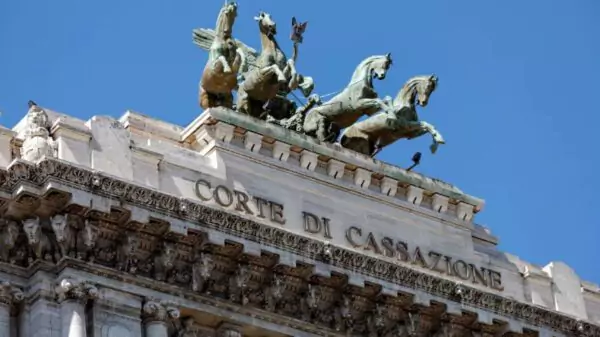
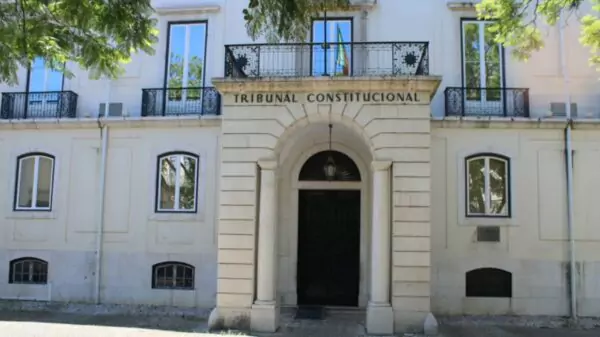
The Constitutional Court's decision changed the landscape. The new citizenship law will now be reviewed by the European Union's courts of justice.
Born in Turin in 1851, Margherita lived to the age of 74 and was buried in the Pantheon in Rome, next to her husband and her father-in-law, King Vittorio Emanuele II. (Depositphotos)