






















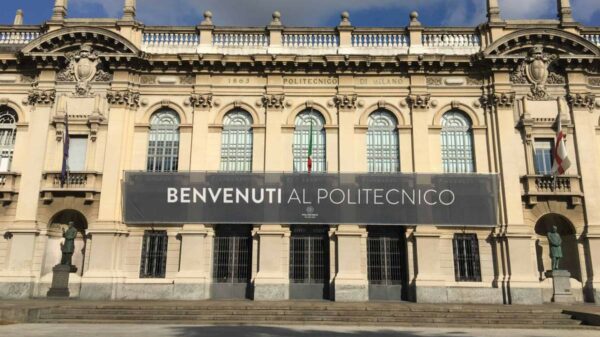
The best city to live in Italy depends on each person's needs and preferences.
It is important to consider your lifestyle, budget and work needs when choosing your “little corner” on Italian soil.
Here are some popular cities to live and work in Italy:
Florence is prosperous and diverse

The capital of Tuscany offers many employment and business opportunities for its inhabitants and visitors.
The city's economy is based on several sectors, including tourism, commerce, manufacturing, technology and financial services.
Tourism is one of the main drivers of Florence's economy, with millions of visitors seeking out its works of art, historic monuments and picturesque landscapes. Furthermore, the city is famous for its fashion, jewelry and leather.
Manufacturing is also important to Florence's economy, with technology, medical equipment and construction companies being located in the city.
Furthermore, the capital of Tuscany has a significant presence in the financial sector, with banks and stockbrokers operating in the region.
Milan: positive and negative points of Italy's financial center
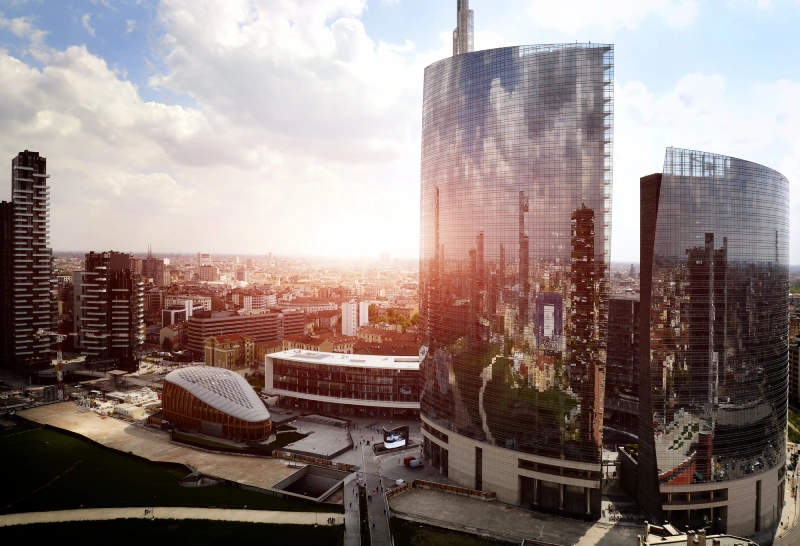
Living in Milan can be an enriching and vibrant experience. Here are some positive and negative aspects of living in Italy's second largest city:
Positives:
- vibrant cultural life: Milan is known for its vibrant cultural scene, with many museums, art galleries, theaters and cinemas.
- Fashion and design: The city is considered the capital of fashion and design in Italy and is home to the country's main fashion and design fairs.
- Job opportunities: Milan is the financial center of Italy and has a wide range of job opportunities in sectors such as finance, technology and consultancy.
- Night life: The city has a bustling nightlife, with many bars, clubs and restaurants to choose from.
Negatives:
- high price: Milan is one of the most expensive cities in Italy, with rent, food and transport being more expensive than in other parts of the country.
- Intense traffic: Traffic can be heavy in Milan, especially during rush hour.
- Pollution: Pollution can be a problem in Milan, especially in summer when air quality can suffer.
In general, living in Milan can be a challenging but also enriching experience, especially for those seeking a vibrant and culturally rich urban life.
Living in Rome can be a unique experience
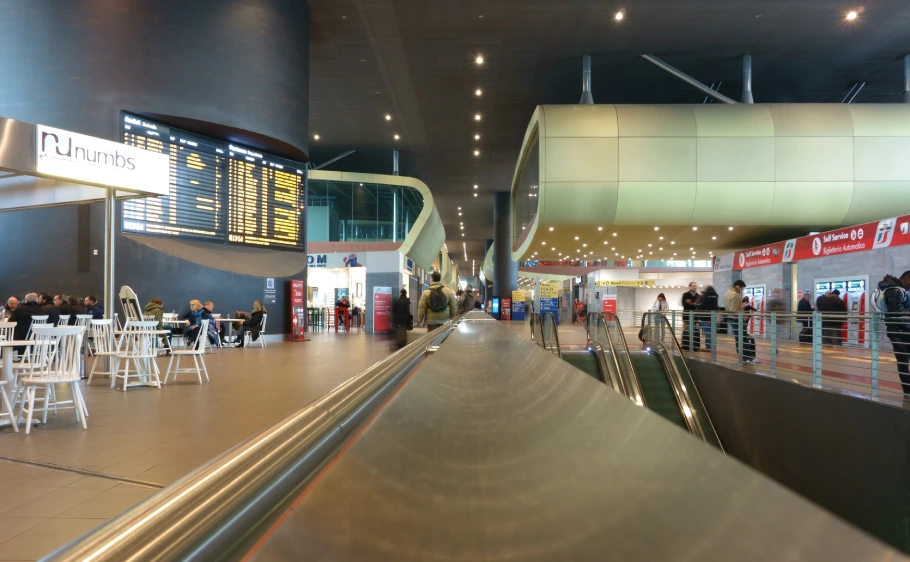
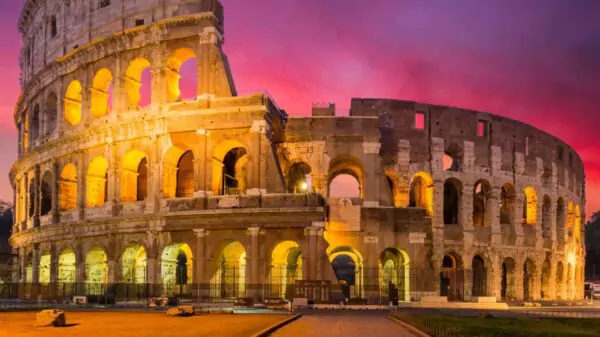
Rome is famous for its rich history and culture, with many historical monuments, churches, and museums to explore.
Italy's capital is known for its rich cuisine, with many restaurants offering traditional Roman dishes and exceptional wines.
It has a vibrant cultural scene, with many events, shows, and performances throughout the year. Although it is a large city, Rome offers a good quality of life, with green spaces and parks for relaxation and leisure.
But not everything is rosy. Traffic in Rome can be heavy, especially during rush hour, which can make getting around the city challenging.
Rent, food and transport can be more expensive in Rome than in other parts of Italy.
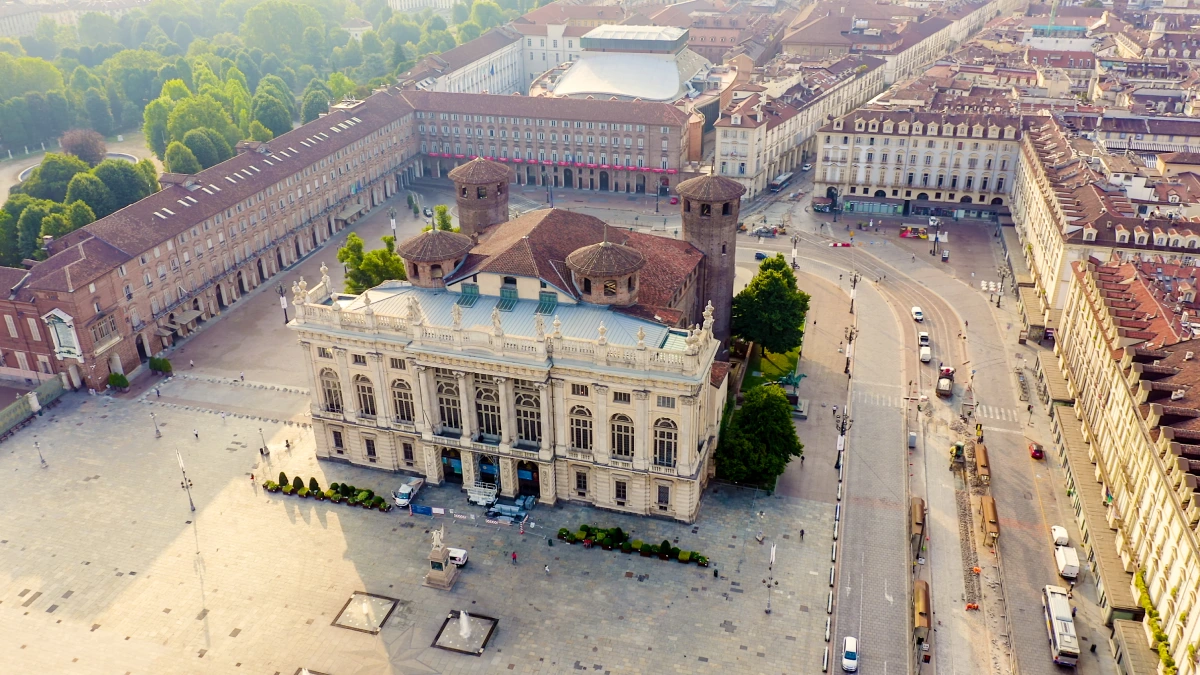
Turin is the city of technology
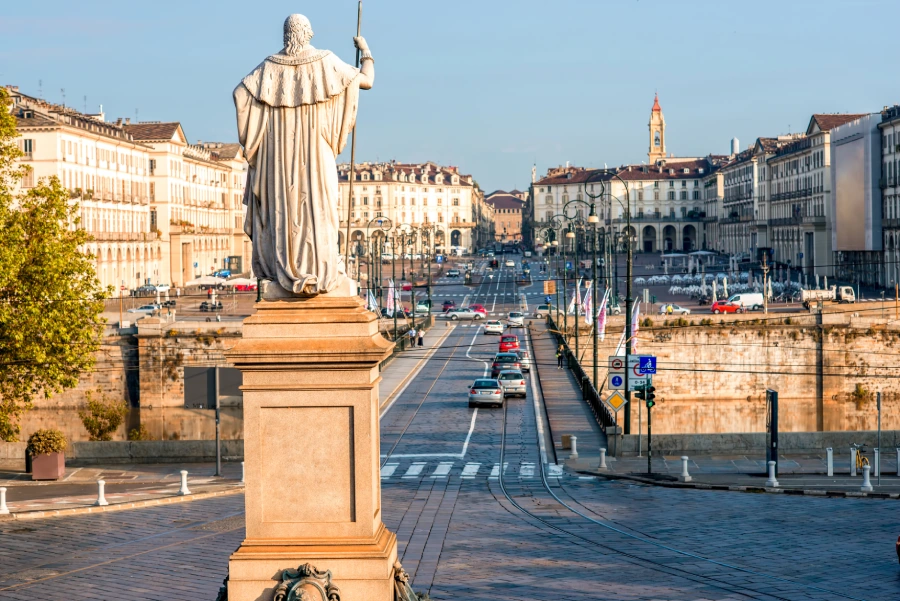
Located in the Piedmont region, Turin (or Turin for Brazilians) is home to several multinational companies in the automotive and aerospace sectors, including FIAT Chrysler Automobiles, Thales Alenia Space and Iveco, as well as numerous small and medium-sized companies.
Furthermore, Turin has an important academic presence, with several higher education and research institutions, which can contribute to the development of the city's economy.
Turin also has an excellent infrastructure, with efficient public transport and high-quality health services.
However, like any other city, life in Turin can also have challenges, such as high housing prices and a high demand for skilled labor.
Bologna is home to one of the oldest universities in Europe
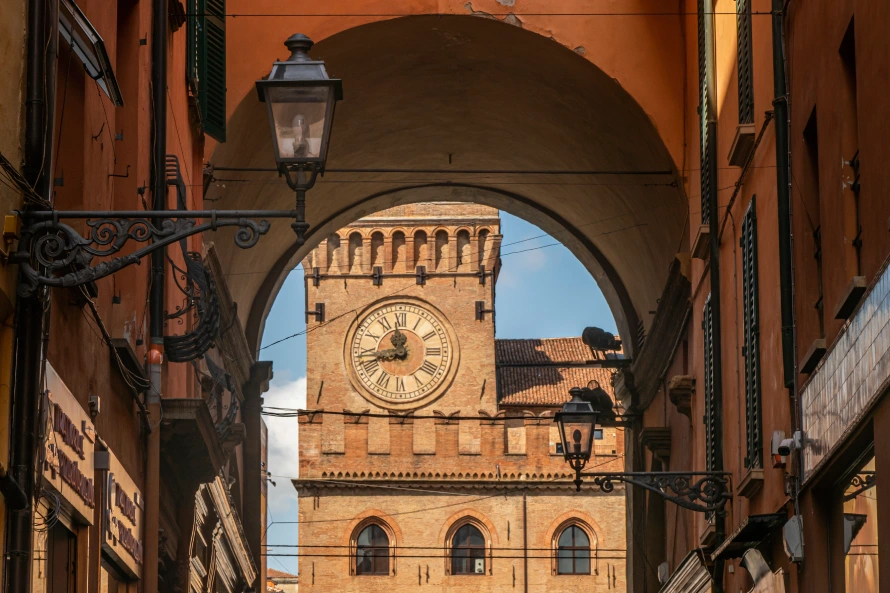
Bologna (Bologna, in Italian) is known for its earth-toned architecture, its vibrant culinary scene and its academic atmosphere, as it is home to one of Europe's oldest universities, the University of Bologna.
Bologna has a wide range of small and medium-sized businesses, including technology, food and healthcare companies, which contribute to the local economy.
Some of the biggest companies in Bologna, Italy include:
- Datalogic: technology company that offers solutions for the retail and manufacturing sector.
- Imola Ceramica: company that produces ceramic coverings for bathrooms and kitchens.
- Indesit Company: home appliance company that manufactures and sells washing machines, ovens and other household appliances.
- Saras: oil and gas company that is one of Italy's main energy suppliers.
- Angelini Pharma: a healthcare company that develops and sells prescription medicines and healthcare products.
Tourism is an important sector of Bologna's economy, with many visitors seeking out its rich history, ancient architecture and cuisine.
Genoa: capital of Liguria has a solid and diversified economy
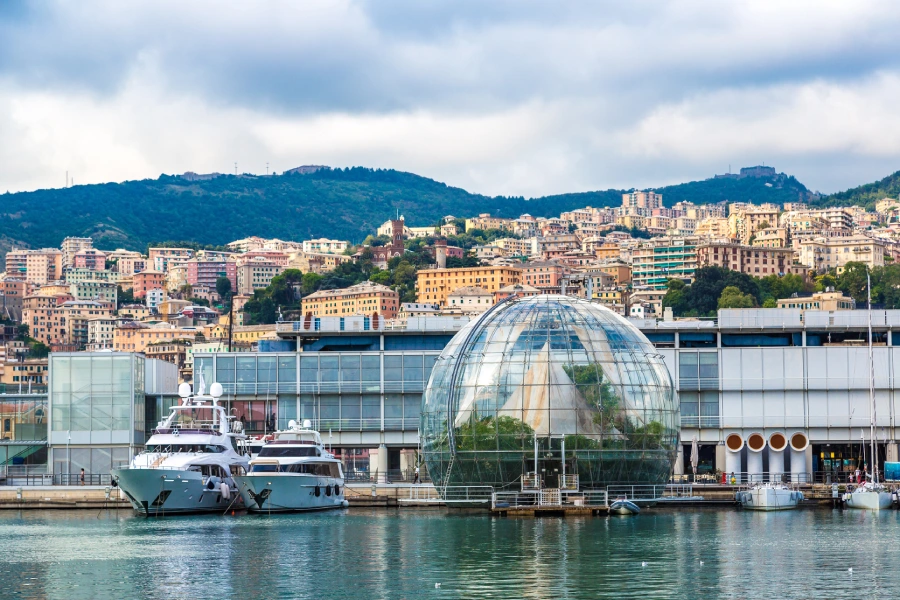
Genoa is known for its shipping industry, with a number of shipyards that build ships and other marine equipment. Additionally, the city has a significant presence in the oil and gas sector, with a number of companies that explore, refine and distribute energy.
Tourism is also an important source of income for Genoa's economy.
Some of the largest companies based in Genoa, Italy include:
- Fincantieri: is one of the largest shipbuilding companies in the world, with a series of shipyards in the city.
- Eni: is one of the largest oil and gas companies in Italy, with a significant presence in Genoa.
- Trenitalia: is the main railway company in Italy, with its headquarters located in Genoa.
- San Giorgio del Porto: is a ship repair company based in the city.
- F2i: is an infrastructure investment company, with a significant presence in Genoa.
It's important to do thorough research on these cities and evaluate whether it's the right choice before moving there.
Italianismo also prepared an article on the 100 largest cities in Italy. Read here.