


![Attorney Marco Mellone during oral arguments at the Court of Cassation in Rome, at the United Sections hearing on the 'child issue' | Photo: Reproduction/[source of the video]](https://italianismo.com.br/wp-content/uploads/2026/07/marco-mellone-600x337.jpg)


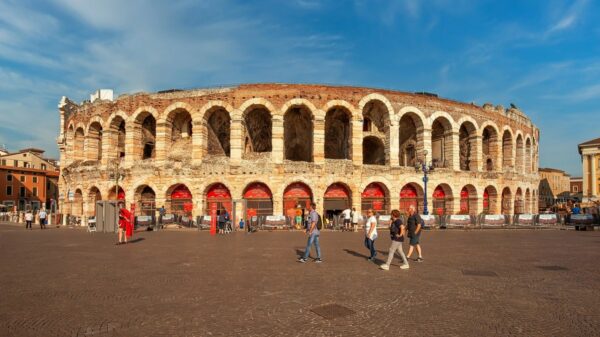




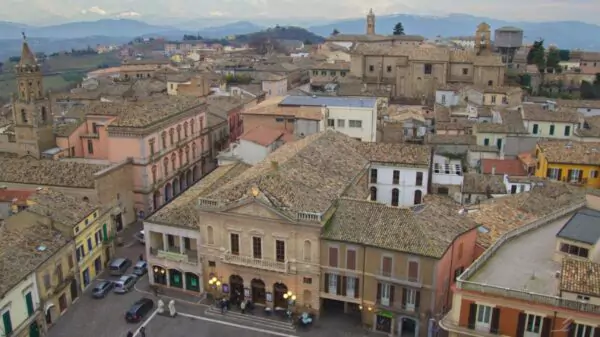










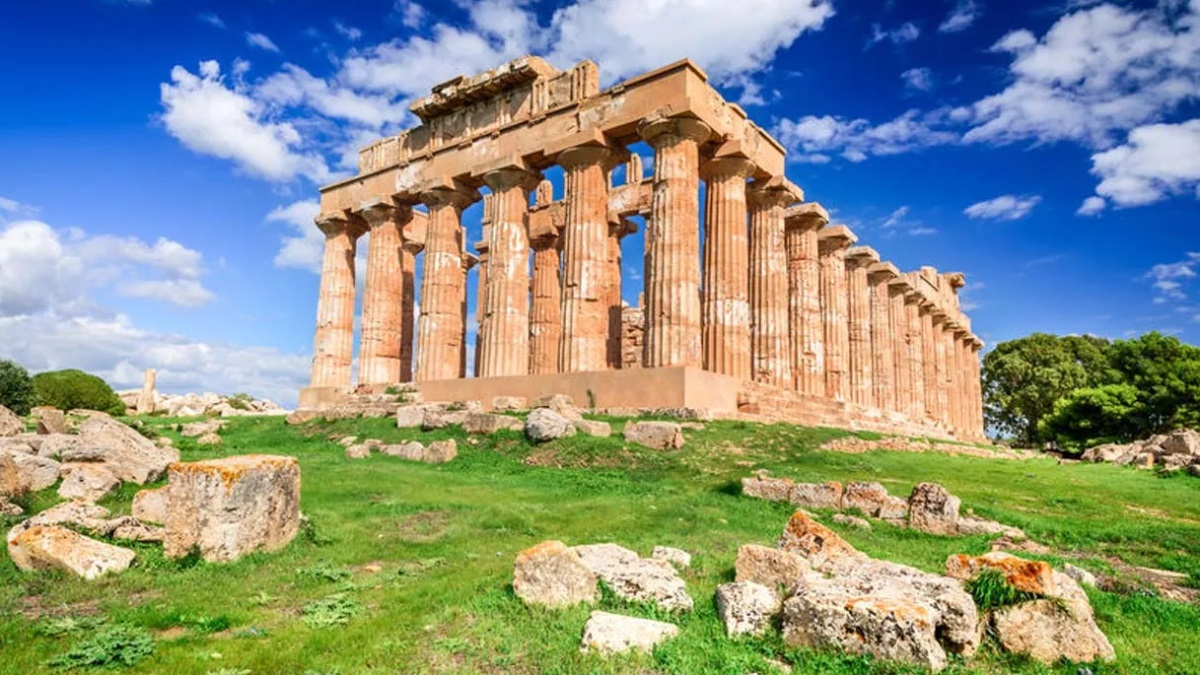
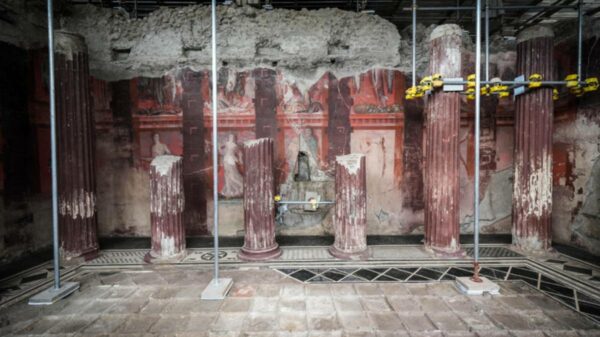
Italian and North American scientists revealed last Friday (9) new findings in the ruins of Archaeological Park of Selinunte, in Sicilia, southern Italy.
At the site, which is considered the largest site of its kind in Europe, new buildings linked to the sacred area were found between the archaic and classical periods, as well as a structure that refers to a still unknown type of temple.
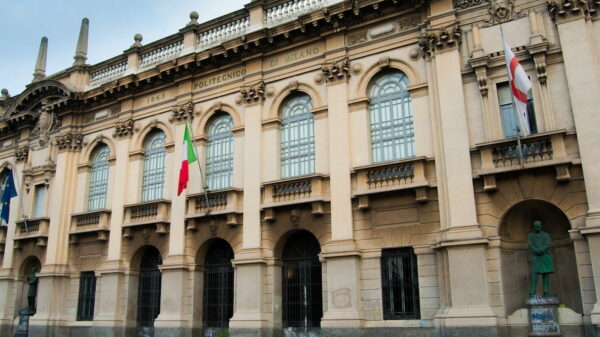
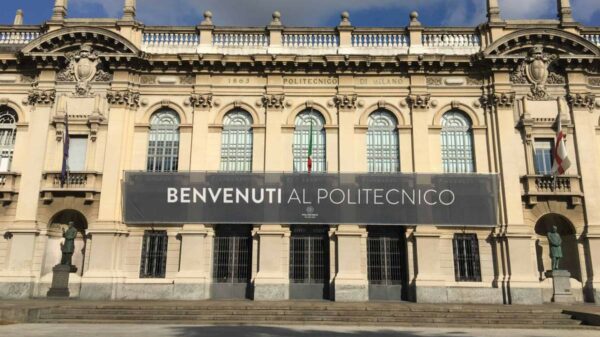
The investigations, carried out jointly by the Universities of New York and Milan, brought information about the first 50 years of Selinunte, which encompasses the period between 630 and 570 BC.
For researchers, the most important discovery is the one about access to the large urban sanctuary, which exposed an open external courtyard and a door with accommodation for large hinges. The team's conclusion is that the various entrances to the sacred area demonstrate an intense frequency of the zone for cult activities.

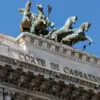
The Supreme Court reaffirmed: citizenship is born with the person.
- New legal front opened
- Processes can still be filed.
- Individual assessment before any decision.
Another important discovery is a circular well three meters deep, full of objects crafted in bronze, copper and glass from ancient Greece. Ceramic and terracotta artifacts, as well as coins made of various materials, including one made of silver, were also found in the excavation.
Selinunte is one of the largest and most important ancient Greek cities in southern Italy and boasts several magnificent temples, the oldest dating back to 500 BC (HANDLE)