
![Attorney Marco Mellone during oral arguments at the Court of Cassation in Rome, at the United Sections hearing on the 'child issue' | Photo: Reproduction/[source of the video]](https://italianismo.com.br/wp-content/uploads/2026/07/marco-mellone-600x337.jpg)






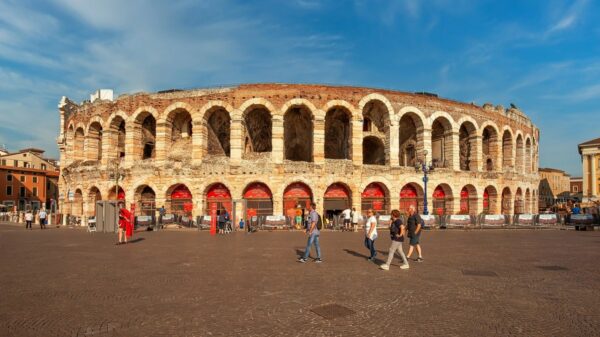











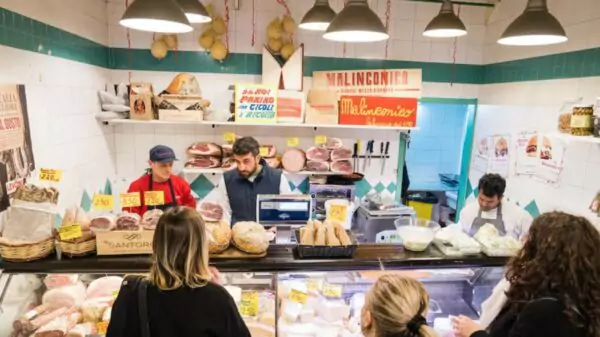














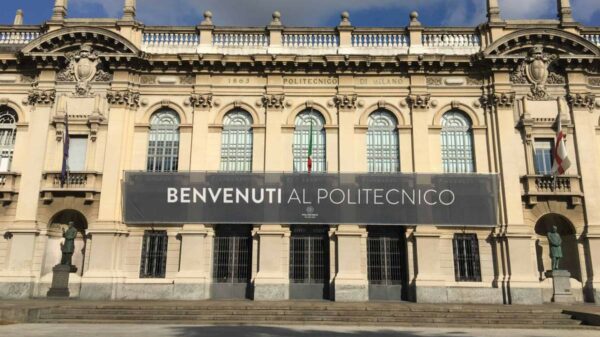

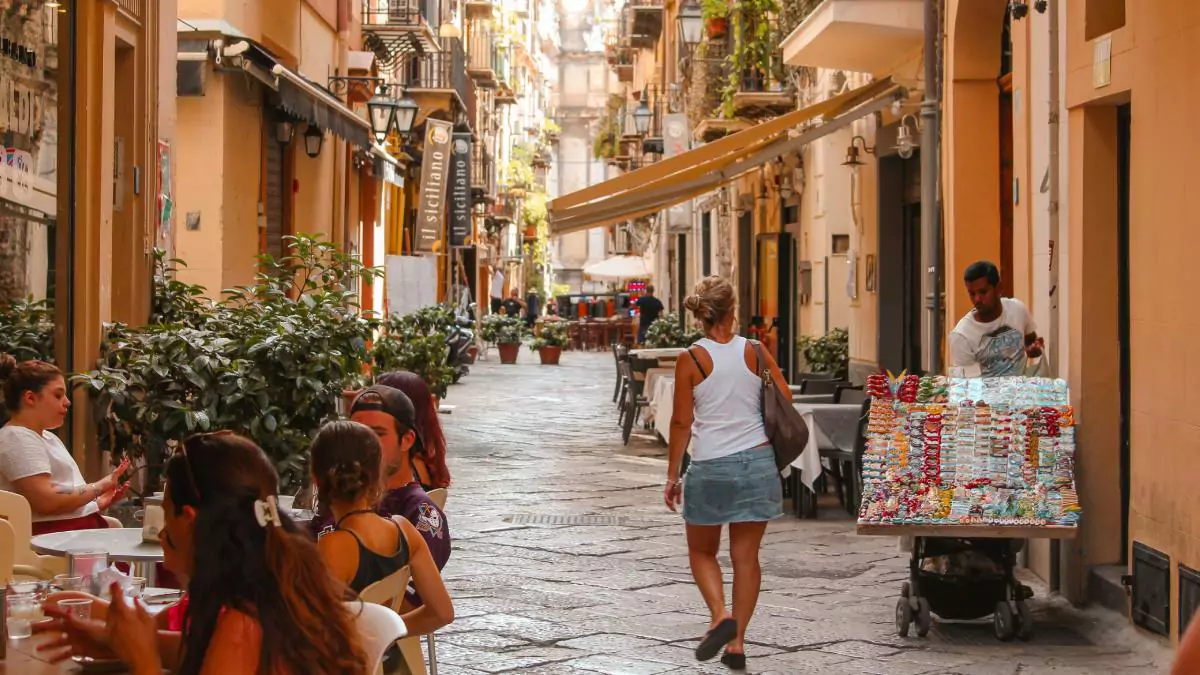
Imagine landing on Lisbon Airport With a dream itinerary in hand: enjoying the historical charms of Portugal, crossing borders to the vibrant squares of Madrid, and finally, ending the vacation in Italy. For thousands of Brazilians, this multi-destination itinerary is the perfect embodiment of the ideal vacation. However, the beginning of this journey used to be accompanied by a severe logistical hassle: searching for local phone stores in the arrival halls to buy different SIM cards at each border crossing.
With the new rules for entering and leaving the European Union generating critical queues of up to five hours at airports like Lisbon's, wasting precious time to ensure communication has become untenable. Therefore, securing a virtual SIM card while still in Brazil emerges as a smart planning strategy.
Historically, travelers were forced to choose between the inefficiency of constantly swapping plastic SIM cards or accepting the financial traps of postpaid international roaming. This reliance on outdated methods consumes the budget that should be allocated to gastronomy or sightseeing, generating stress and legal disputes that can now be completely avoided by digital innovation.
Border bureaucracy and the end of the hunt for plastic chips.
The situation at European airports this summer demands much more cautious preparation from tourists. The full implementation of the new Entry/Exit System (EES) in the European Union has created an unprecedented operational bottleneck for non-European travelers. The immediate consequence has been a drastic increase in passenger processing times, resulting in waits that can reach five hours during peak times.
Stefan Schulte, president of the European airport association (ACI Europe), publicly warned of a possible collapse of the system, highlighting that "passengers are facing hours-long queues during peak traffic times."
Given the widespread exhaustion upon arrival, landing in Portugal, one of the main air gateways for Brazilians whose final destination is Italy, with a connecting flight already connected, has become a logistical relief tool. The prior provisioning of a Holafly's eSIM in Portugal This solves this step entirely remotely, allowing the user to avoid additional queues at service counters.
Those who disembark with internet already activated on their cell phone gain autonomy: they can immediately request ride-sharing services, notify family that they have arrived safely, and locate hotel reservations, avoiding the frustration of dealing with operator kiosks while managing luggage and flight fatigue.
Seamless connectivity reshapes the dynamics of multi-destination travel.
Beyond overcoming the initial chaos, the great advantage of this innovation shines in the mobility of combined itineraries. Embedded SIM (eSIM) technology operates through a digital microchip already soldered onto the motherboard of most modern smartphones. This eliminates the inefficiency of ejecting SIM cards and inserting tiny pieces of plastic for each new country visited.
In a European context, where to cross from Lisbon to Rome It's as fast as a domestic air bridge; uninterrupted connectivity is a true revolution. Specialized companies like Holafly are leading this change by making it available to the market. international eSIM For travel with unlimited mobile internet.
Through a single digital profile configured via QR code scanning even before boarding, the user navigates at high speed and automatically connects to local networks when crossing borders within the bloc. The tourist travels from Portugal to Italy seamlessly, without needing to manually change settings or purchase new plans at each stop.
The consolidation of the traveler's independence.
Replacing plastic cards with virtual models represents a definitive step in the democratization of tourism. By removing control from the hands of rigid telephone structures and centralizing it in remote processes, the consumer gains total sovereignty over their own itinerary.
The consequences of this technological advancement reflect a maturation in the way we travel. Planning connectivity and protecting the budget against unexpected costs has become a process that can be resolved in minutes from the comfort of one's living room. In my analysis, regional internet without barriers not only significantly reduces the cost of multi-destination journeys, but also restores to the traveler the freedom and peace of mind that are fundamental to exploring Europe.








![Attorney Marco Mellone during oral arguments at the Court of Cassation in Rome, at the United Sections hearing on the 'child issue' | Photo: Reproduction/[source of the video]](https://italianismo.com.br/wp-content/uploads/2026/07/marco-mellone-100x100.jpg)