






















Last Sunday, 21st, Santa Catarina lost the renowned writer Beatriz Pellizzetti Lolla, aged 93. She left an important legacy for the history of the region and Brazil, being recognized for her commitment and contribution to the study of Italian immigration.
Retired historian, museologist and professor, Beatriz dedicated much of her life to researching and disseminating the history of Alto Vale do Itajaí, with a special focus on Italian immigration. Her knowledge was broad, and she had a huge impact on this field.
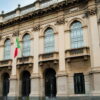
The publication of the book “L'Ideology and the creation of European immigration in Brazil" (The Ideology and Creativity of European Immigration in Brazil)The book, which Beatriz launched in Rome, was one of the major events of her career. The work, which has more than 800 pages, was self-published by the author and had its launch in... National Museum of Emigration, an emblematic place in the Italian capital.
Throughout her career, Beatriz has published 11 books, in which she explored various aspects of Italian immigration to Brazil and contributed to the preservation of the region's history. Her works cover topics such as “Giovanni Rossi's papers in the Ermembergo Pellizzetti Archive”, “Contribution of Italian intellectuals in Brazil (late XNUMXth century and early XNUMXth century)”, “Colônia Cecília, anarchists in Paraná”, among others.

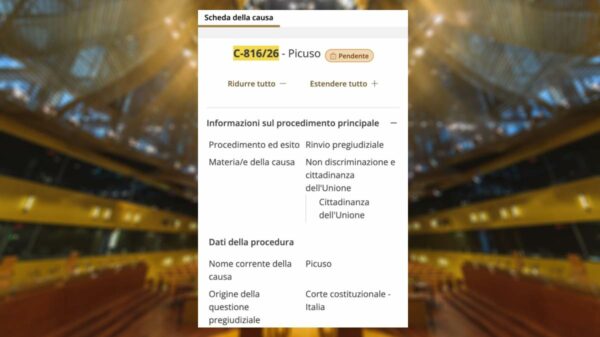
The Supreme Court reaffirmed: citizenship is born with the person.
- New legal front opened
- Processes can still be filed.
- Individual assessment before any decision.
Beatriz's death represents a great void for the Italian community and for researchers into the history of immigration in Brazil. Her dedication and passion for the topic have made her one of the leading authorities in this field, and her legacy will live on through her works and the impact she left on the study of Italian immigration.
In addition to her academic contributions, Beatriz was passionate about Italian culture and her own history. Her commitment to preserving and publicizing the history of Italian immigration demonstrated her affection for the country of origin of her ancestors.
The writer will leave an unforgettable mark on the history of Alto Vale do Itajaí, and her absence will be deeply painful for everyone. However, her legacy will continue to influence and inspire future generations, keeping the relevance of the study of Italian immigration in Brazil alive.