
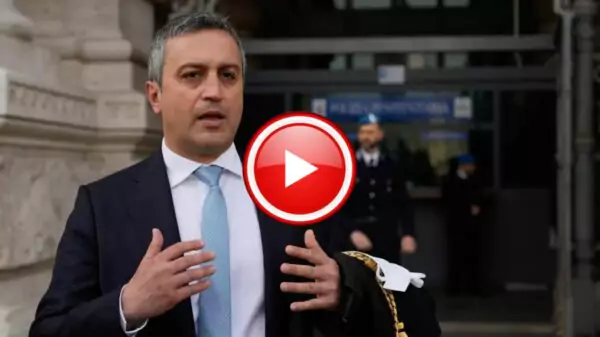








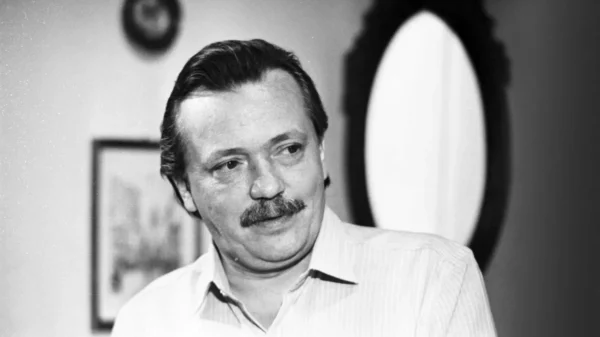

















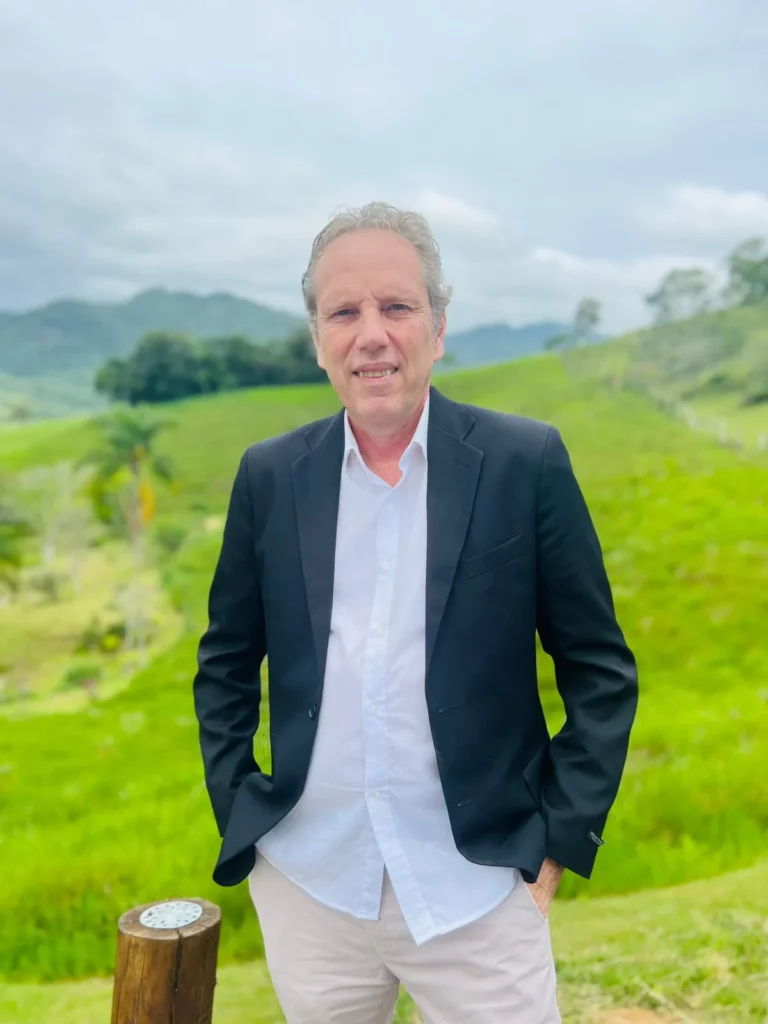
Southern Santa Catarina prepares celebrations for the 150 years since the arrival of the first Italian immigrants., a milestone that will occur in 2027. The journalist Julio Cancellier Approved three cultural projects aimed at documenting the history of colonization in the region.
The initiatives are currently in the fundraising phase through the Rouanet Law. This mechanism allows companies and individuals to allocate 4% to 6% of their income tax to directly support the productions.

The set of actions includes the production of a documentary and the publication of a book. One of the highlights is the creation of a Metaverse with interactive 3D animationTechnology will reconstruct the scenarios of the departure and arrival of immigrants at the end of the 19th century.
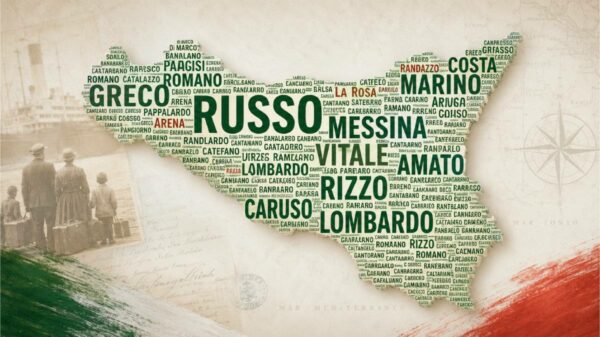
Research conducted by Cancellier identified approximately 7 immigrants with 1.400 different surnames in the Southern region.
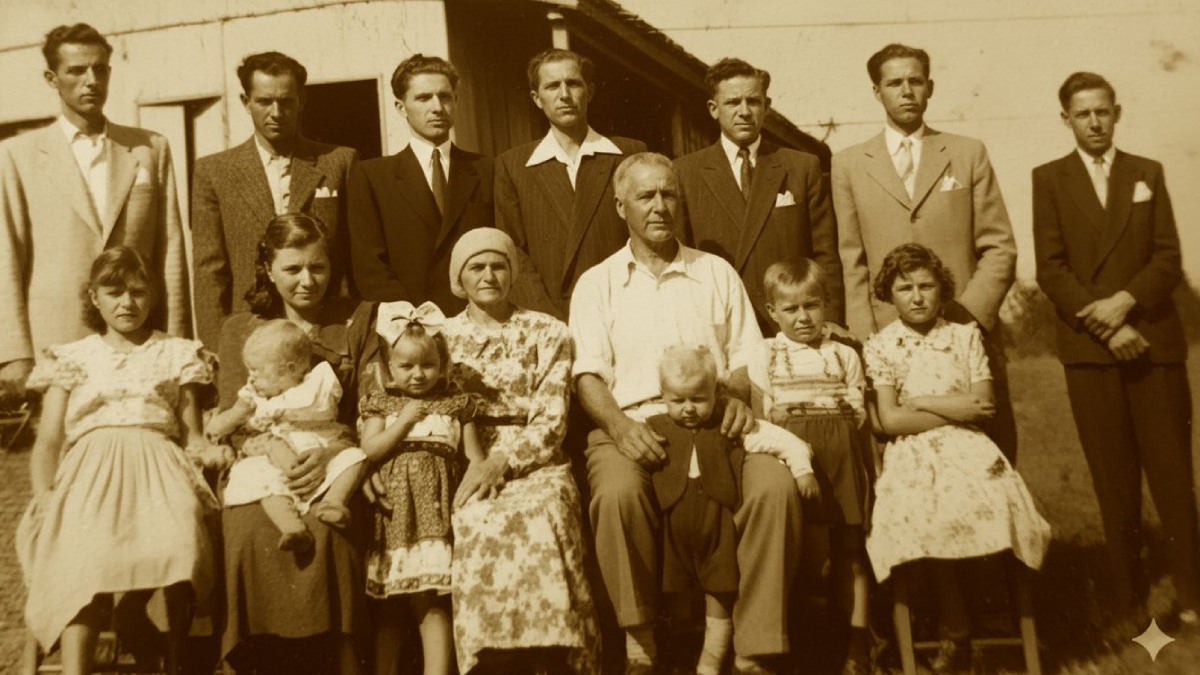
"What's impressive is that they were almost all humble farmers seeking a new life far from Italy, and who transformed themselves in Brazil into entrepreneurs, teachers, artists, among other professions, turning the south of the state into one of the most developed regions in the country," says Júlio Cancellier.
Immigration history
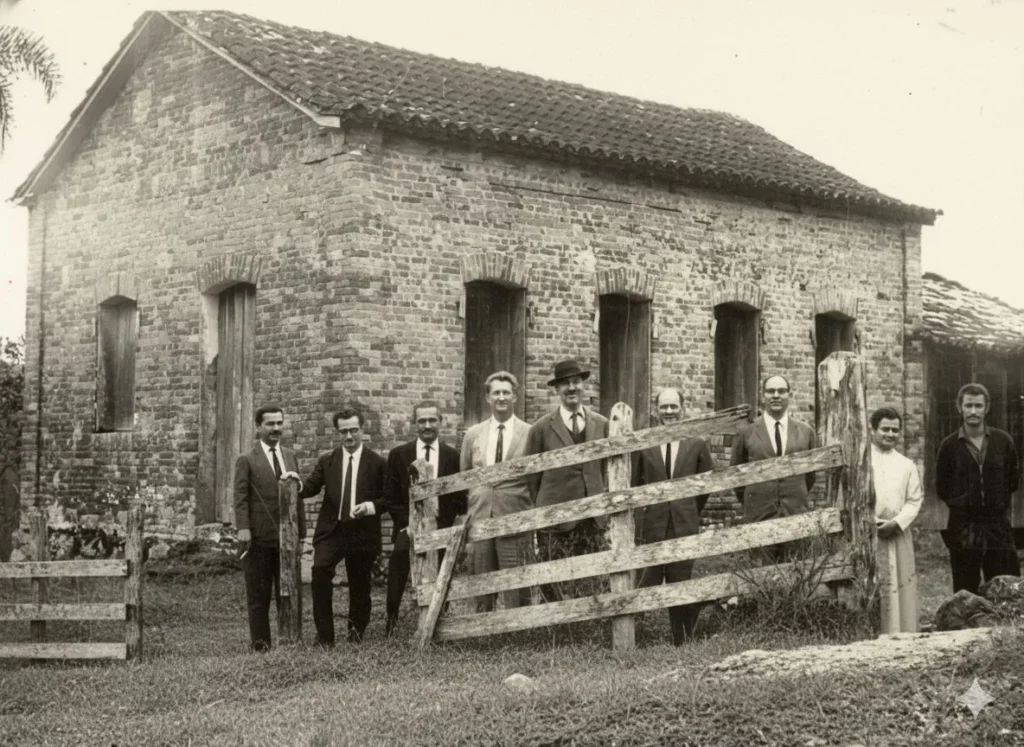
Official colonization began in Azambuja, in what is now the municipality of Pedras Grandes. The movement quickly expanded to cities such as Urussanga, Orleans, Criciúma, and Nova Veneza.
The starting point is April 28, 1877. On that date, the first immigrants arrived in the state on the steamship Rivadavia. Around 500 people from various provinces of Italy were settled in colonies in the region that first year.
Project details
The video game in the Metaverse will allow virtual immersion in the period between 1877 and 1897. With virtual reality glasses, the user will be able to explore 3D scenarios that reproduce the path of the pioneers and the Italian-Brazilian traditions.
The book titled “150 Years of Italian Immigration in Southern Santa Catarina (1877-2027)” will bring together studies on the role of women and the artistic legacy. The work will also address conflicts with indigenous peoples and the economic trajectory of the colonists.
The documentary completes the list of releases. The production aims to highlight cultural diversity and pay homage to the families established in the colonies of Azambuja, Grão-Pará, and Nova Veneza.
How to support the initiatives
Those interested can contribute through the Rouanet Law system. Individuals who file their income tax return using the full form can allocate up to 6% of the tax owed. Companies taxed on actual profit can deduct up to 4% of the amount owed to the federal government.