





































The Italian Senate approved this Wednesday, January 14, 2026, the law that centralizes all Italian citizenship applications in Rome by descent made abroad. The measure, which comes into effect in 2029, directly impacts thousands of people of Italian descent, especially in South America.
In the vote, the MAIE parliamentarians (Associative Movement Italiani all'Estero), Franco Tirelli and Mario Borghese, avoided confrontation with Giorgia Meloni's government.
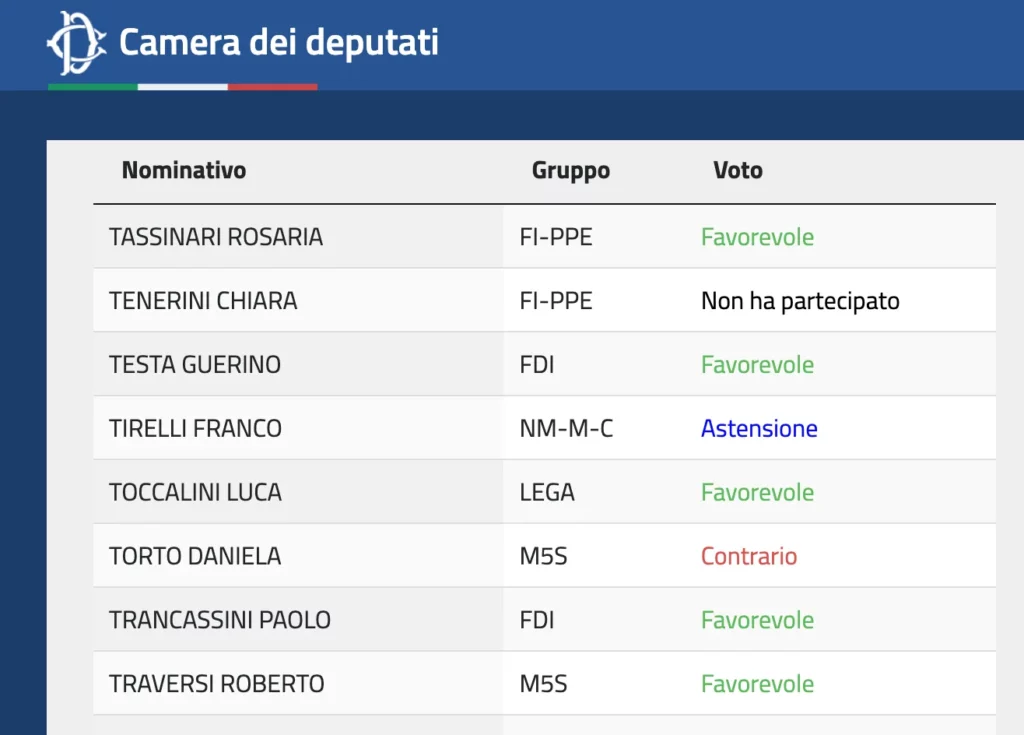
Tirelli, a member of parliament, declared to Italianismo that he voted against the first article, which stipulates centralization. but the official website of the Chamber This shows that he abstained in the final vote. Senator Borghese, however, was absent. When contacted by reporters, he cited personal reasons and declined to comment.
What will the new rule be like?
The new legislation transfers the management of all administrative processes for recognition of citizenship by jus sanguinis from Italian consulates around the world to a single office in Rome.

The new law will now be reviewed by the European Union's courts. And there are European precedents that strengthen the defense of descendants.
- New legal front opened
- Processes can still be filed.
- Individual analysis of your case.
There were 76 votes in favor, 55 against, and no abstentions. The text had already passed through the Chamber of Deputies and now goes to the Official Gazette of the Italian Republic for publication.
What changes with centralization?
In addition to the change of location, the reform establishes new criteria and limitations:
Social impactThe trend is that the administrative route (consular/centralized) It becomes more restrictive, primarily affecting those with fewer resources to afford the costs of a legal process.
Creation of a specific bodyThe three-year deadline (until 2029) was established to allow the Italian State time to structure the new centralized body in Rome that will handle the consulates' responsibilities.
Order limitThe volume of cases that this central body will receive will be limited, based on the average number of cases handled by consulates over the last two years. (2027 and 2028).
Standardization of criteriaIt is expected that centralization will lead to a more rigorous and standardized analysis. Issues such as minor spelling errors or self-declaration documents, which may currently pass in some consulates, are likely to be analyzed more restrictively in Rome.
Consular reliefThe main objective of the measure is to reduce the workload of consulates around the world by transferring the administrative part of citizenship recognition to the Italian capital.
Legal route maintainedExperts indicate that the judicialization of processes (citizenship via court) It will continue to be the main alternative, since the obstacle of accessing consulates remains unchanged for many applicants.
Entities were against
During the legislative process, several organizations and experts, such as the Natitaliani association and representatives of Italian notaries, spoke out against the measure.
According to Congressman Fabio Porta (PD)"This is not just the position of a few members of parliament, but of those who know the reality of Italian citizenship abroad."