



























The Italian Council of Ministers approved on Friday, the 28th, a set of measures that alters the rules for the recognition of Italian citizenship. The proposal, called the "citizenship package," was prepared by the Ministry of Foreign Affairs and International Cooperation (MAECI).
The new rules have been in force since midnight on March 27, effective immediately, but still need to be enacted into law by Parliament within 60 days. Italianism awaits a copy of the decree, which should be released throughout the day.
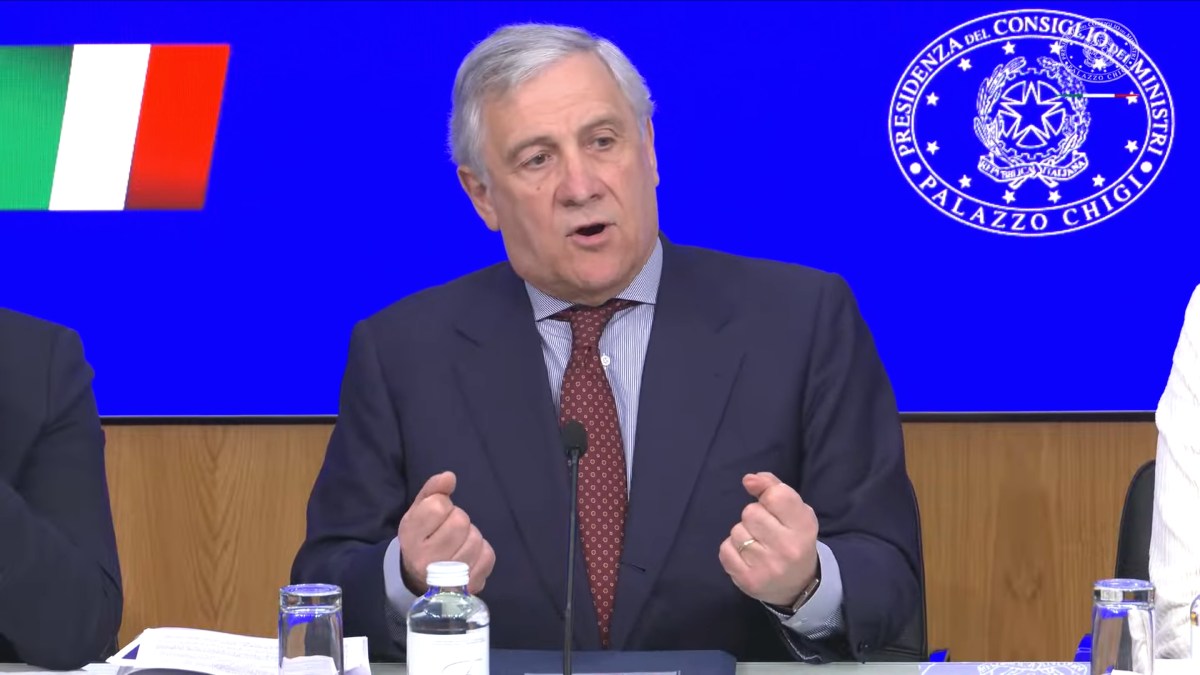
According to a note from Farnesina, the objective is to enhance the effective link between citizens abroad and Italy. Minister Antonio Tajani stated that “the principle of jus sanguinisAnd many descendants will still be able to obtain Italian citizenship, but there will be clear limits to prevent abuse or the sale of passports. Citizenship should be taken seriously.”
Generational boundary and link with Italy
The decree establishes that only descendants up to the second generation — children or grandchildren of Italians — born abroad will have automatic right to citizenship. The measure is already in force.
However, the standard It does not affect those who have already had their citizenship recognized or processes in progress before midnight on March 27, 2025.. These cases remain governed by the previous rules.
The second phase of the reform, initiated with a new bill, will require proof of genuine ties to the country. Those born and residing abroad will be required to exercise rights or fulfill civic duties in Italy at least once every 25 years, such as voting or obtaining a passport, for example.
Consoles stop processing orders
The reform foresees the creation of a central body at the Farnesina (Ministry of Foreign Affairs) in Rome to analyze citizenship applications. Services at consulates will be restricted to those who are already citizens, focusing on the issuance of passports and other documents.
There will be a transition period of about one year for the implementation of the new system. The government has also announced the modernization of civil registration, legalization and identity card services.
Tax increase and criticism of the rush to reform
The fee for applying for citizenship will be increased. After rising from 300 to 600 euros in January, the fee will rise to 700 euros under the new legislation.
The accelerated approval of the decree caused some surprise. The text came into force even before the legislative conversion — a procedure generally reserved for emergency situations, such as pandemics or conflicts.
Legal experts and representatives of Italian communities abroad criticized the lack of public debate and the short time frame for adapting to the new rules — they have even pointed out illegalities.
Mayors and magistrates called for change
The government's decision also responds to internal pressure. Mayors of small towns, overwhelmed by legal cases, reported difficulties in local registry offices. Consulates and judges have been pointing out structural limitations in dealing with the growing demand.

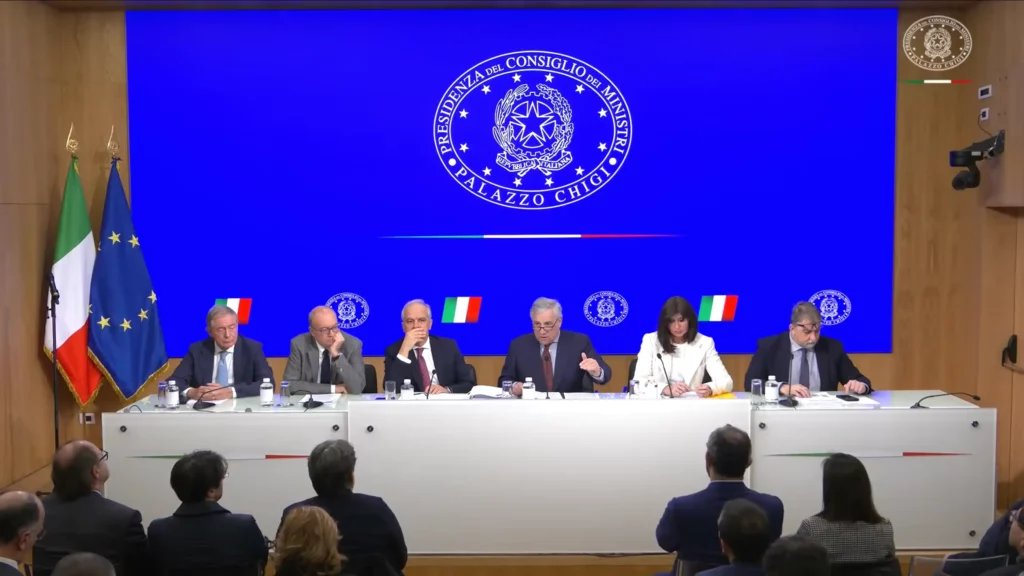
“Being an Italian citizen is a serious matter, and so is granting citizenship. Unfortunately, there have been abuses and requests that went beyond the real interest of our country,” Tajani said at a press conference. (see here, in Italian).
Porta: “Government declared war on Italians in the world”
Deputy Fabio Porta, from the Democratic Party (PD), harshly criticized the new measures.
“If anyone still had any doubts, they have now been clarified: the Meloni-Tajani-Salvini government has declared war on Italians around the world — retirees, unemployed, people of Italian descent. Never have so many provisions been approved in such a short space of time and with such virulence as in recent months. And, above all, with regard to the latest decisions announced at the Council of Ministers on citizenship, with little respect for Parliament and even less for the system of representation of Italians abroad. In such delicate matters, one cannot intervene in an emergency and hasty manner. We will read the full texts and await the parliamentary stages to intervene in a serious and appropriate manner, with the respect that characterizes us — and that, evidently, this government lacks,” he said in a statement.
FOLLOW-US