



































A Had, well known for tomato extract, was founded by the Italian Salvatore Paoletti. He started the business with his sons Carmello and Francisco.
This company had a major impact on the lives of Brazilians, who for decades consumed not only the famous Etti tomato paste, but also other canned products, such as guava pastes and marmalades, fruits in syrup, peas and olives.

The story begins when immigrant Salvador Paoletti, born in the city of Catania, in the region of Sicilia, the Italy, decided to come to Brazil in search of Job opportunities.
He disembarked at port of Santos in 1922, at the age of 16, and in Brazil he married Ermelinda Volpi. The couple had children Carmello, Francisco and Cleide Paoletti.
Established in São Paulo, Salvador Paoletti supported his family with a “dry & wet” installed in the Municipal market, whose main products were olives, plums and the cold.
The origin of cups
At that time, we anos 1940, he was already helped in the tent by his children when they were still boys, carmel e Francisco Paoletti. The story goes that Salvador also sold the Cica's tomato paste, which was purchased in 18 kilo cans.
The extract was sold in 1 kilo portions and, to take the product home, customers brought all kinds of glasses and mugs. This made the Italian Salvador Paoletti had the idea of putting the extract in glass cups, which were sold with the product inside. It was the origin of his idea of industrializing tomato paste.
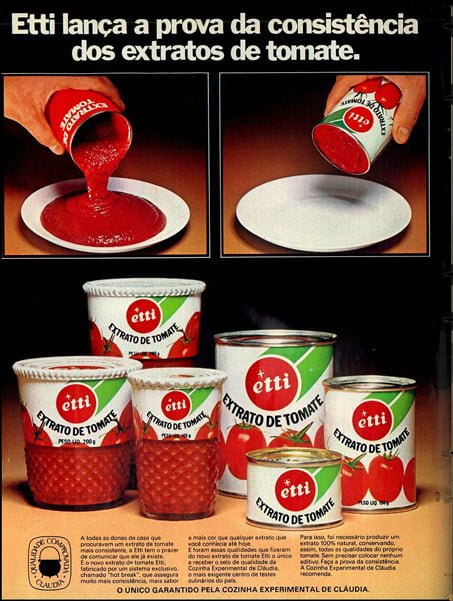
The Paoletti family's industrial activities began in 1954, with a processing factory olives, acquired from the former brand Loretto, in the municipality of Varzea Paulista, which integrates the Jundiaí Urban Agglomeration.
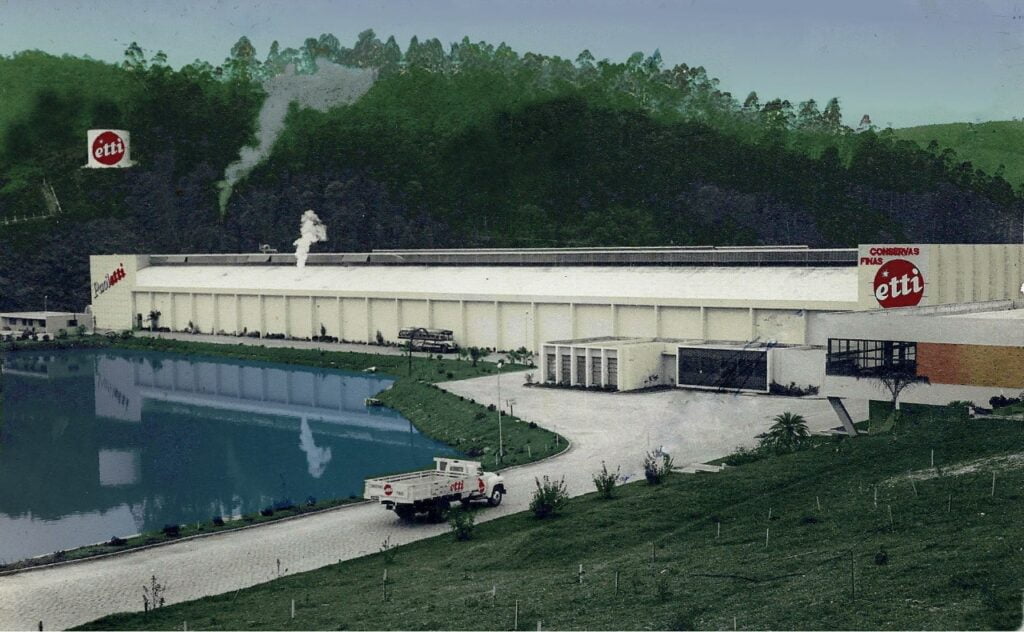
As the result of the venture was very successful, with many sales, in 1959 the Paolettis acquired an area on one of the banks of the Via AnhangueraOn Jordanesia, district of municipality of Cajamar, in the metropolitan region of São Paulo.
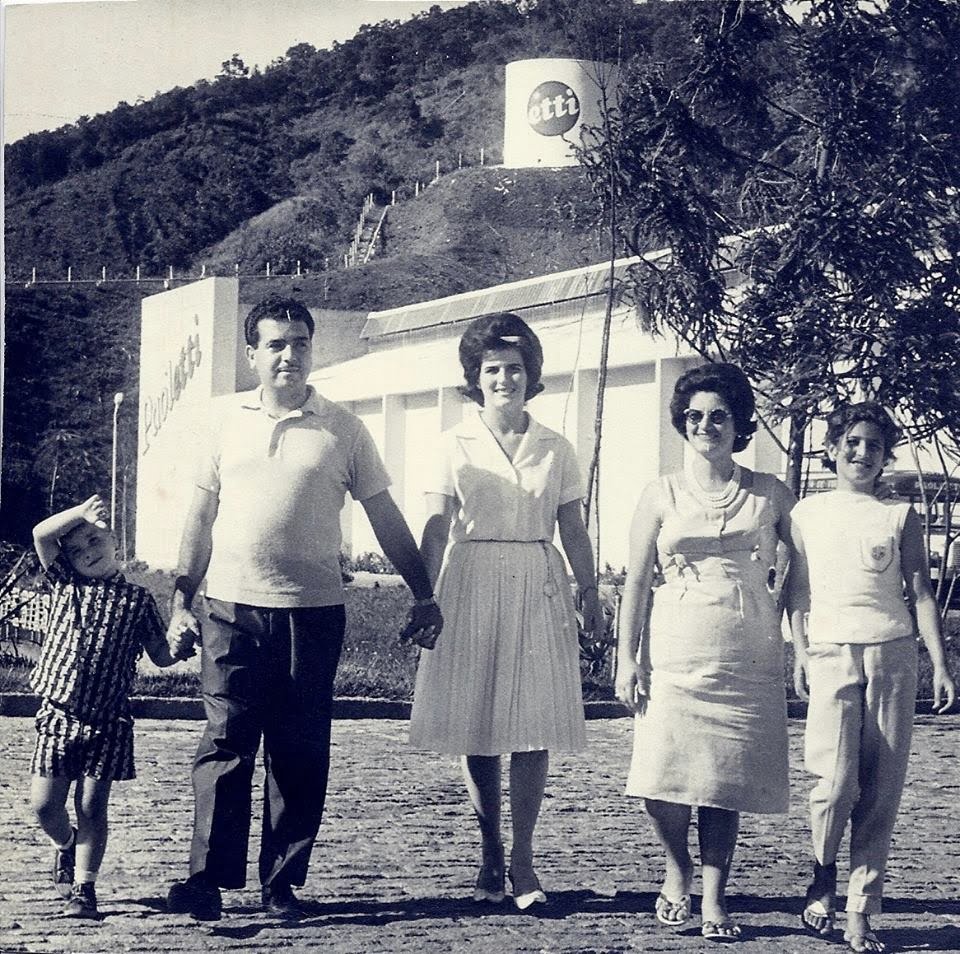
It was there that construction of the factory began. Industrial and Mercantile Company – which became known nationally for Etti brand, last four letters of Italian surname of the family.

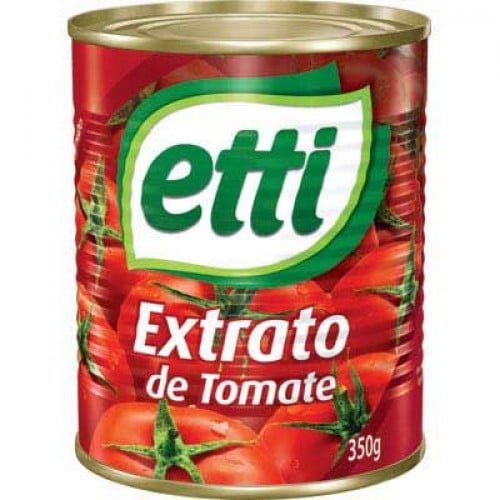
Traditional Etti products
The factory actually started operating in August de 1960, already with a very extensive product line, which included tomato extract, meat broths and others canned goodsas the olives, peas, marmalades, guavas and the sweets in syrup.
O tomato paste in glass cups, idea by Salvador Paoletti from the time he had his tent in Municipal Market of São Paulo, became a big sales success. In the advertisement, which became very famous at the time, one tomato said to another: “Hey, you, jump into the glass”, immortalizing the company trademark.
Success increased and, at the end of the 1960s, the group already opened a second manufacturing unit, this time in the municipality of Taquaritinga, in the interior of the state of São Paulo. In this unit, mainly the tomato and guava crops, which were used in the brand's products.
Record in tomato processing
In mid-1974, a third factoryOn Araçatuba, also in the state of São Paulo, to meet imports and the demands of the Etti brand's biggest success, tomato sauce Puropurê. At the time, the Araçatuba unit was the largest concentrator of tomato mass in the country. Latin America.
Still in the 1970s, another factory warehouse was built on land attached to the Cajamar factory, for the manufacture of Bebifru fruit juice lines, another highly successful product from Etti.
After many years of success, the Paoletti family decided to sell the brand to the Phenicia group, in 1979. In the 1990s, Etti was sold to Parmalat.
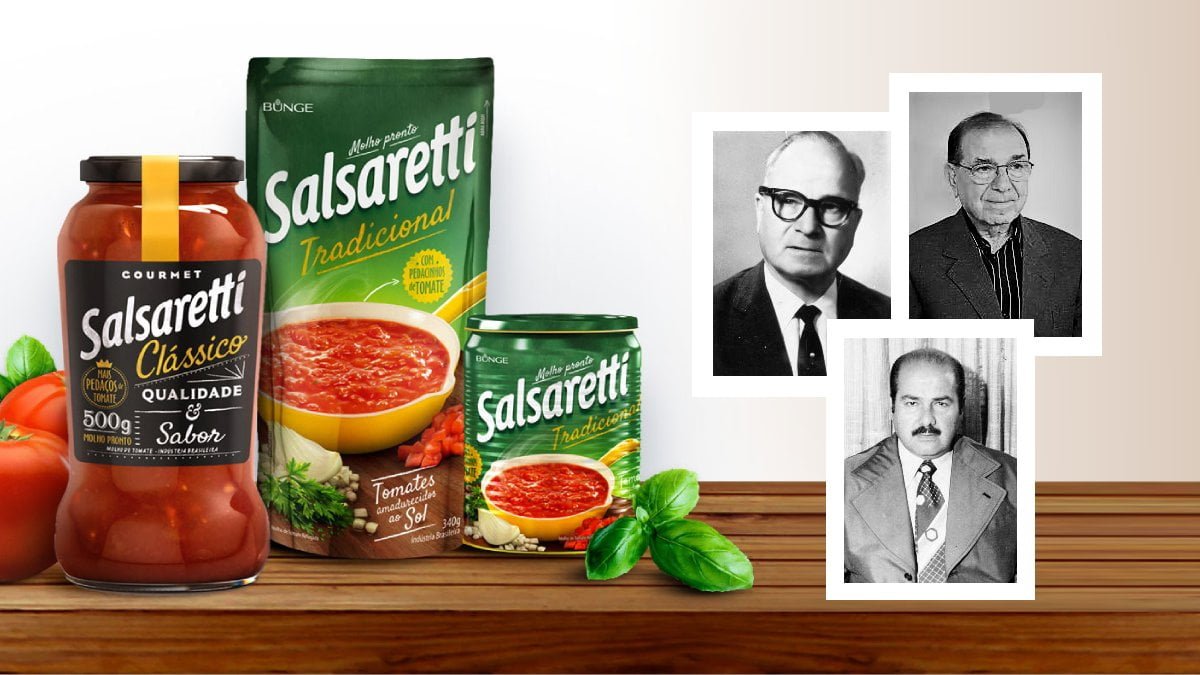
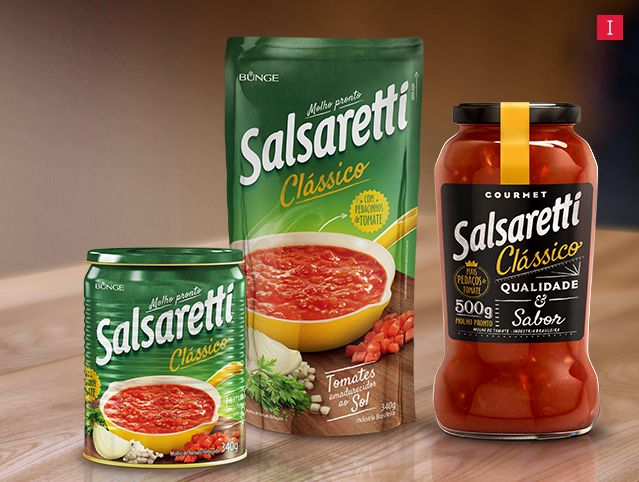
In December 2011, the North American group Bunge, one of the largest producers of agricultural commodities do Brasil, owner of the Salada, Primor, Doya, Delícia and Andorinha brands, purchased the Etti food brand for R$ 180 million, which since 2006 belonged to the group Hypermarcas. The deal included the lines Had, Salsaretti, Puropurê e Cajamar.
Etti's legacy
Patriarch Salvador Paoletti died in 1983, but before that his son Carmello Paoletti had already taken over the business. In the same year as his father's death, Carmello assumed the role of industrial director of skittish and went to help the company set up its factory in Goiânia, capital of the state of Goiás.
In 1985, Salvador Paoletti Neto himself started the company Coniexpress (I want food). Despite always helping his son with the business, Carmello Paoletti only transferred to Quero in 1996 and stayed until 2004. Interestingly, the Quero brand became compete for market with Etti, already managed by another group.
Carmello Paoletti He died on September 11, 2012, aged 82, from prostate cancer, leaving two children and four grandchildren. Salvador Paoletti Neto says that one of the greatest pleasures his father's was stay inside the factory, closely monitoring all manufacturing and distribution processes.
A family of entrepreneurs
In 2011, part of the I want food was sold to North American Heinz by R $ 1,2 billion. Under the terms of the contract, Heinz received 80% of the Brazilian company. The contract also provided that the company's top executives, people trusted by the Paoletti family, should stay at the company for at least two years. In 2013, Salvador Paoletti Neto ended up taking over the vice-presidency of the Board of Directors of Heinz.
This is the story of a family of Italian immigrants who came to Brazil and, with the fruit of your labor, built a true empire and left his mark on the industry, minds and hearts of Brazilians, placing their unforgettable products on thousands of tables across the country for many years.