





























The reaction is common among Brazilians who visit Italy for the first time and decide to try the famous Belpaese pizza: “Will I be able to eat all of this?”
If in Brazil pizza has become popular as a dish to share with family or friends, usually at night, in Italy it is more commonly consumed individually, including at lunch, which can scare first-time Brazilian tourists.
But the way of eating pizza is just the latest in a series of characteristics that differentiate the dish loved by Italians from that consumed in Brazil, where it has undergone some changes to adapt to local tastes, as happens with recipes from around the world, in all countries.
Pizzas from Italy and Brazil begin to follow different paths right from their origins, when they are just ingredients waiting to become a light and elastic dough.
“The basic difference is the flour and the long fermentation process. When you take the pizza made in Brazil, some doughs even contain eggs, fermentation is shorter, the flour is of a different type”, says Gerardo Landulfo, delegate from Academy of Italian Cuisine.
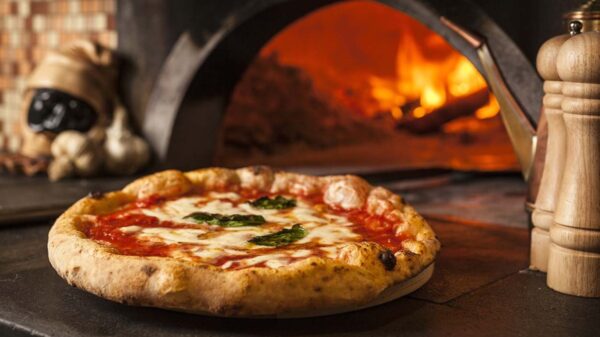
This is directly reflected in the dough: if in Italy it is thin and light (the ingredients are just flour, water, salt and yeast), in Brazil the predominant version is a little thicker, so much so that it is quite common for pizzerias to ask if the customer prefer thick, medium or even thin dough.
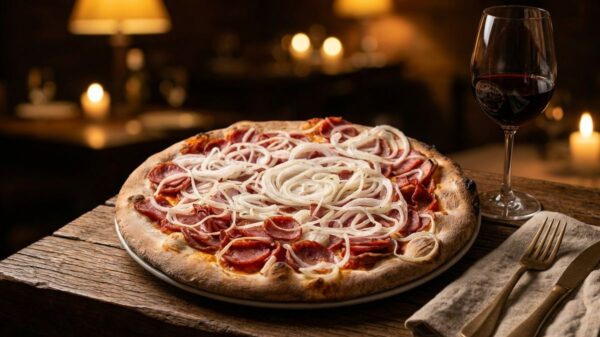
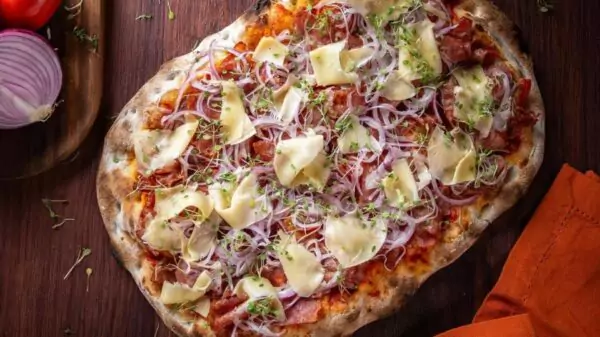
The edge of Italian pizza is high, hollow and crispy; in Brazil, it is lower and often folded around a cheese or creamy cream filling.
“The second important difference is what is put on top of the pizza, the toppings”, adds Landulfo. In fact, Italy values tradition: few flavor options, few ingredients, as is the case with the rest of Belpaese's cuisine, which is marked by simplicity.
As for Brazilian pizza, there are no limits. A quick look at a pizzeria's menu is enough to find the most varied toppings possible, ranging from popular flavors, such as pepperoni, four cheeses and Portuguese, to more exotic options, such as French fries and filet mignon.
“Brazilians like a lot of cheese, they like different ingredients. It has different flavors in Italy too, but never with more than two or three ingredients”, adds the delegate from the Accademia della Cucina Italiana.
These characteristics directly impact how the food is consumed. Lighter in color, Italian pizza is an individual dish for any time of day – although the country also has many places that sell pizza by the slice, mainly in street food establishments.
In Brazil, despite the recent popularization of the Neapolitan tradition, it is still much more common to order a whole pizza, whether in a restaurant or at home, and then divide it into slices to share with friends or family.
According to Landulfo, pizza became a nighttime dish in Brazil because the first pizzerias in the country used to only open on weekend nights, as it was very expensive to keep the oven lit throughout the day.
“It was a commercial issue. It was better to sell pizza at night and on the weekend than not sell it at lunchtime. But in Nápoles, from 10am onwards you can eat pizza, which is also a street food”, he adds. (ANSA)