























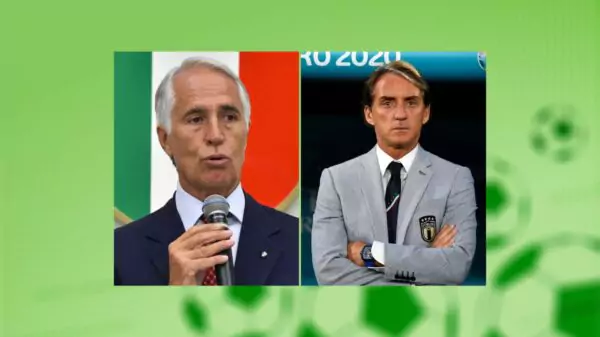



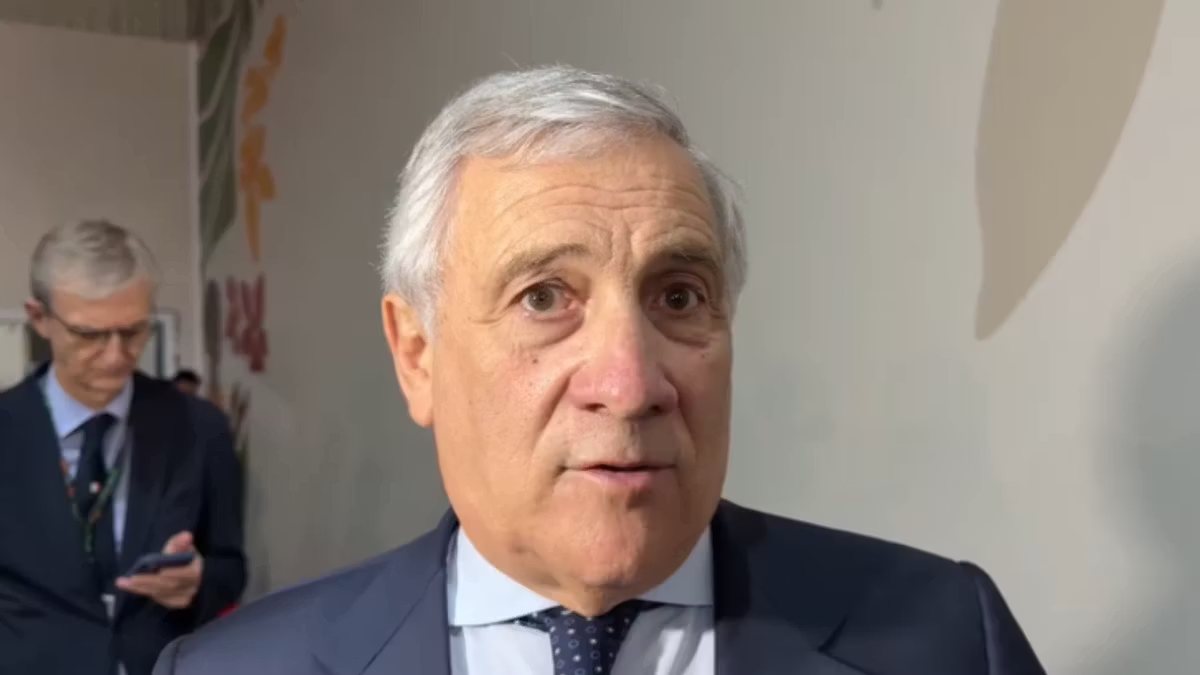
Italy's Deputy Prime Minister, Antonio Tajani, is back in Brazil. This time, not to announce new restrictions on Italian citizenship, but to declare his eternal love for the Italian-Brazilian community — and, as a bonus, to inaugurate a floating plaza in Belém.
"For us, the relationship with Brazil is one of heart and blood," said Tajani, visibly moved, speaking to Italian business leaders on the sidelines of COP30.
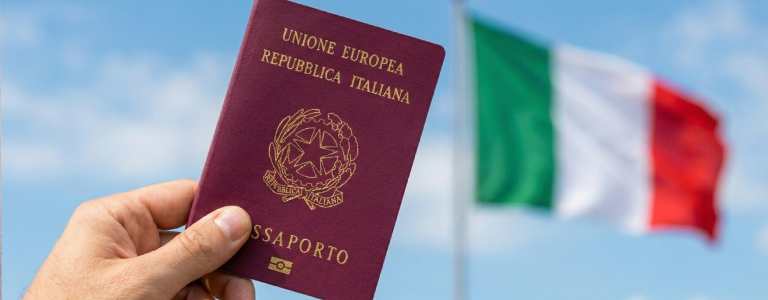
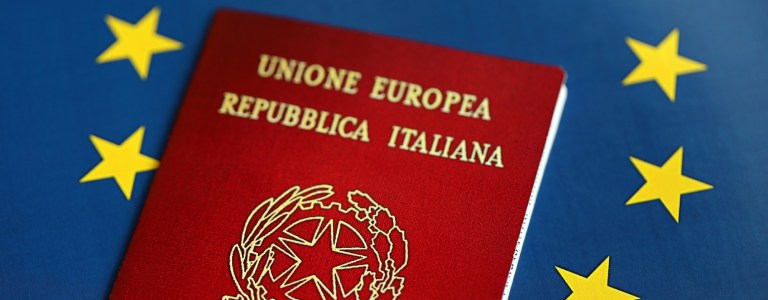
The scene marks a turnaround for someone who, months ago, earned the antipathy of descendants of Italians by saying that many only wanted a European passport to "go to Miami."
With this new move, Tajani is trying to navigate calmer waters — literally.
AquaPraça: liquid love and architecture
The star of the moment is... AquaPraçaA floating structure spanning 400 square meters, designed by architect Carlo Ratti, a leading figure in sustainable design, will serve as the headquarters for the Italian Pavilion during the United Nations Climate Change Conference, from November 10th to 21st, in Belém.
Inspired by a floating theater in the Venetian lagoon, the plaza was exhibited at the Architecture Biennale before arriving in Brazil. It adjusts to the water level and can accommodate up to 150 people for cultural events, exhibitions, and environmental symposiums.

After COP30, the space will be donated to the State of Pará, which promises to transform the structure into a permanent cultural center on the Amazon River.
Performative diplomacy
AquaPraça was presented as a symbol of Italian-Brazilian friendship. In practice, it also acts as a kind of political lifeboat for Tajani — who is trying to salvage his image with the community that most frequently requests recognition of Italian citizenship in the world.
The project is the result of a coalition formed by the Farnesina (Italian Ministry of Foreign Affairs), the World Bank, Enel, Costa Crociere, and other institutions. The structure was built by Cimolai, a company specializing in high-tech steel construction.
With an affectionate speech and postcard-perfect setting, Tajani attempts to change the narrative: from villain of consular bureaucracy to ambassador of tropical affection. Whether he will convince Italian-Brazilians, only time—and the consulates—will tell.