























Against the of pasta, Italy offers several itineraries that do not leave anything to be desired in terms of traditions, history and daily life.
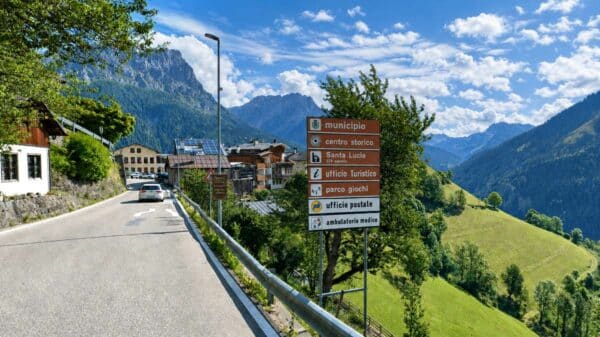
One of them is the route that connects four unusual villages in the center-north of the country: Viganella, in Piedmont; Bussana Vecchia, in Liguria; Valeggio sul Mincio, in Veneto, and Corinaldo, in Marche.

The starting point is in the mountains of the Antrona Valley, in Viganella, a Piedmontese village where, for centuries, its inhabitants spent the winter months without sunlight, which did not reach the mountains. It was only in 2006 that the solution that changed the lives of the population came about: the installation of a huge mirror on the mountain, which began to reflect sunlight onto the main square, illuminating Viganella during the darkest period of the year.
In Liguria, the small Bussana Vecchia was considered a ghost town for a long time, after being devastated by an earthquake in 1887 that kept it in ruins for more than 70 years.
Everything changed when, in the 1960s, a group of artists, led by a Turin ceramicist, Mario Giani, known as Clizia, decided to rebuild the village, transforming some of the houses into art workshops, reviving a community that continues to thrive to this day.
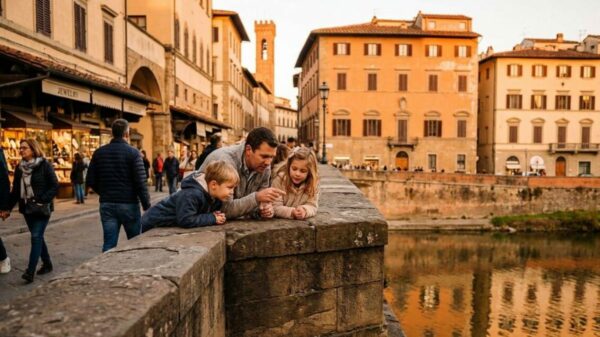
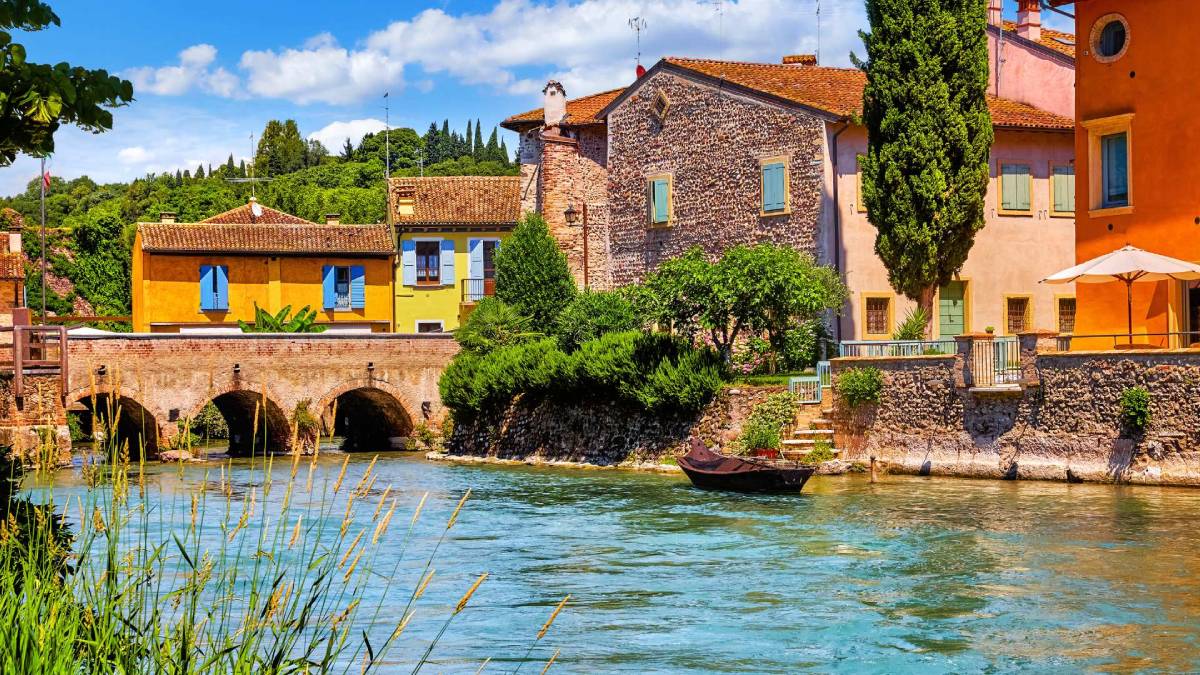
In Veneto, Valeggio sul Mincio is famous for its tortellini, a pasta filled with three types of meat. Legend has it that this place was the scene of the love between a knight and a nymph, who, before departing forever, gave her beloved a golden silk scarf as a symbol of her love. The gesture refers to the preparation of tortellini, a pasta as thin and delicate as a silk scarf.
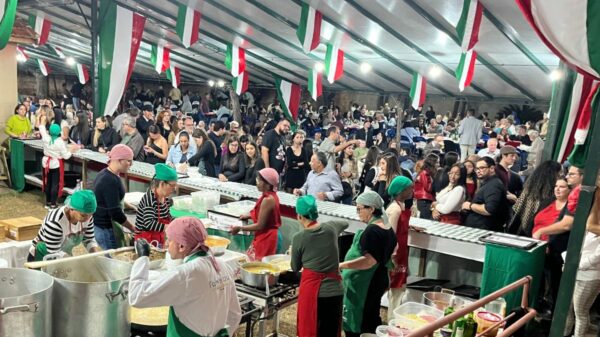
Every year in June, the city hosts the “Love Knot Festival”, an event that transforms the Visconti bridge into a huge table full of tortellini.
Rounding off the itinerary, Corinaldo is a medieval village with imposing 14th-century walls and home to the famous staircase on Via Piaggia, which, with its 109 steps, leads to the legendary Casa di Scuretto, a highlight of popular traditions.
The city also hosts the annual “Polenta Festival”, which hides a legend: it is said that a peasant took a bag of corn flour to the town, filling the village well and allowing its inhabitants to make polenta for days. (HANDLE)