




















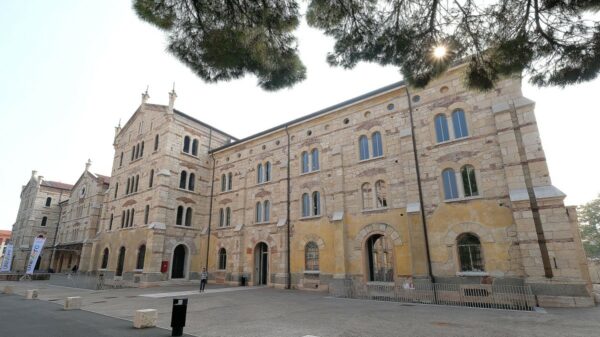
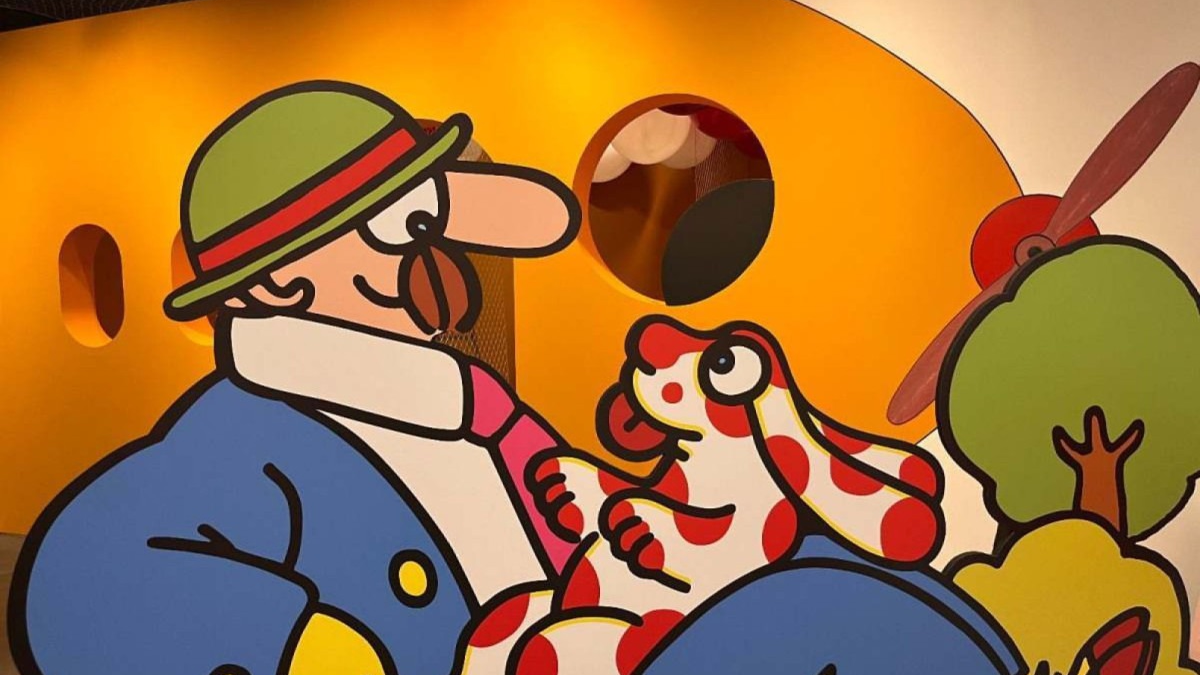
A Fiat House of Culture, in Belo Horizonte, opened an interactive exhibition last Tuesday (9) about the Italian children's character “Pimpa”, a little dog with red polka dots, long ears and a protruding tongue.
The free exhibition, which will run until August 18th, is a partnership between Casa Fiat de Cultura and the Consulate General of Italy in Belo Horizonte.

“Pimpa na Casa Fiat de Cultura” highlights the dog that is the protagonist of several adventures – including comics, books and cartoon series – in a playful journey, in which the public can interact with different environments to complete challenges and games.
Born in 1975, the fruit of the imagination and technique of renowned Italian cartoonist Francesco Tullio-Altan, Pimpa is a symbol of discovery, imagination and freedom.
In the exhibition, she evokes fond memories and shares interesting facts about the art, culture and values of her home country.
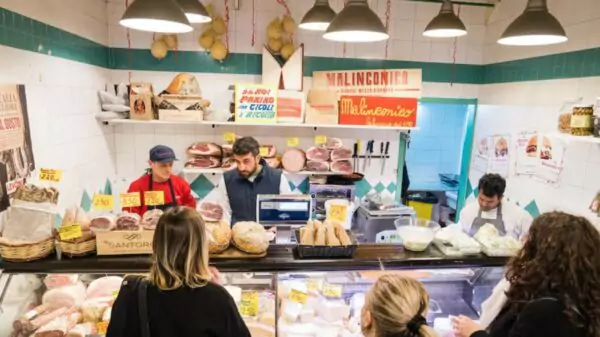
Furthermore, the visitor is invited to learn about typical Italian dishes and agriculture; traveling through space; looking for fantastic characters; meet famous people and discover Italian excellence.
The exhibition is made up of drawings and texts, using a quiz feature to encourage observation and learning, a video room, and two stuffed capybaras to welcome visitors, in a reference to animals of this type that live in lagoons in the Belo Horizonte region.
“Italian culture, so close to Brazilians, presents the nature, gastronomy, design and talent of its people as the basis for creating a 'Made in Italy' way of living and thinking that challenges us to find that same essence in everything we do”, said the president of Casa Fiat de Cultura, Massimo Cavallo.
For the Consul General of Italy in Belo Horizonte, Nicoletta Gomiero, Pimpa's success with children in Italy is comparable to Turma da Mônica in Brazil.
“Pimpa's good success in the Italian market was due to so many factors, such as the guidance of cartoonist Altan, who knew how to create a character surrounded by his friends, giving voice to children's needs and dreams, while at the same time reflecting on adults the beauty of childhood innocence”, she concluded. (HANDLE)