










If you love reading, we’ll take you on a journey to discover the most beautiful literary cities in Italy. Follow us!
Modica, the home of Salvatore Quasimodo
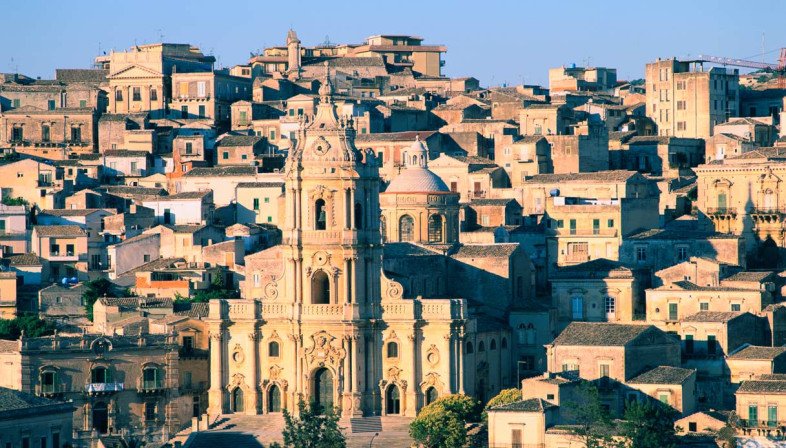
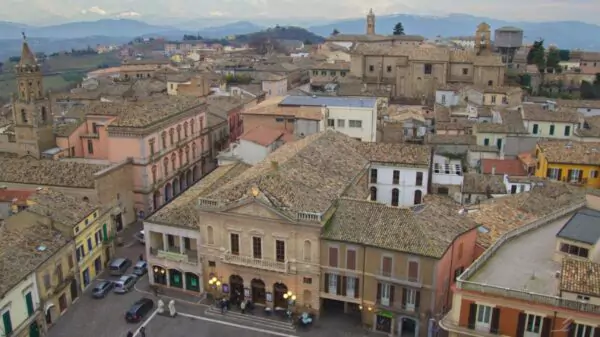
The beauty of this place, in the extreme south of Italy, would be enough to classify it as an unmissable destination in Italy. Sicilia. But Modica It is also the birthplace of one of Italy's greatest literary geniuses, Salvatore Quasimodo, an important exponent of hermeticism, author of “And it is now evening“, winner of the Nobel Prize for Literature in 1959.
One of Italy's literary cities, Modica is often the protagonist in Quasimodo's works.
Arquà Petrarca, the refuge of Francesco Petrarca
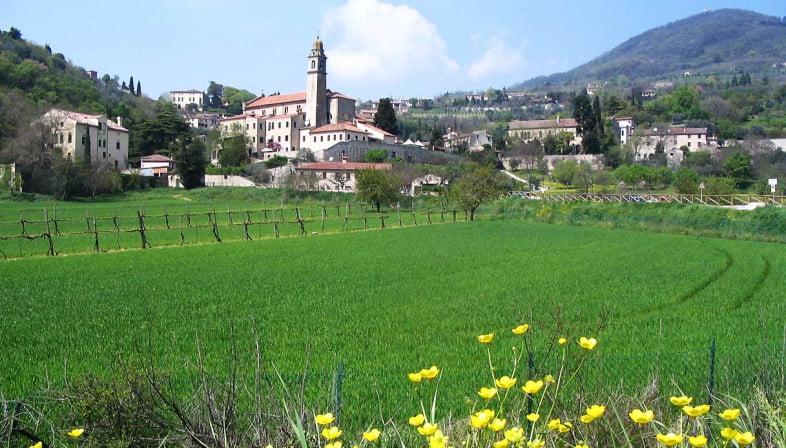
Born in Arezzo in 1304, Francesco Petrarch ended his days in Arquà Petrarch, city (today with 1.876 inhabitants) in region do Veneto, where he moved for health reasons.
The author of the famous Song book, considered the founder of humanism, settled in Euganei Hills, at the foot of Monte Piccolo and Monte Ventolone, in a medieval village that is UNESCO World Heritage Site, one of most beautiful villages in Italy.
Among its narrow alleys, in front of stunning views, the author was inspired to always think about his Laura.
A Petrarch's house, embellished with paintings from the 16th century, inspired by his greatest work, is one of the places to visit in Arquà.
Gardone Riviera, at Gabriele d'Annunzio's house
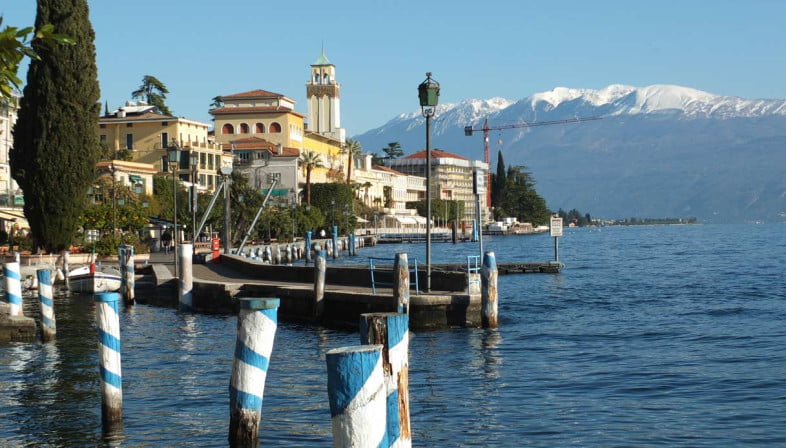
A small and charming little town overlooking the Garda lake, very popular in summer, Gardone Riviera is closely linked to the figure of Gabriele d'Annunzio, nicknamed “poet” or the “sacred poet”, writer, playwright, soldier, politician, journalist and an Italian patriot, an authentic symbol of decadence and a famous figure of the First World War.
Here, in fact, he retired to a lonely life and never moved from the beautiful Lombard location. The great testimony of d'Annunzio's years of residence in Gardone is the Vittoriale degli Italiani, the extraordinary complex of buildings, squares, streets, open-air theater, gardens and watercourses intended by Vate himself and built between 1921 and 1938, to remember his life and the endeavors of the Italians during the first world conflict. The Vittoriale can be visited every day.
Recanati, the city of Giacomo Leopardi
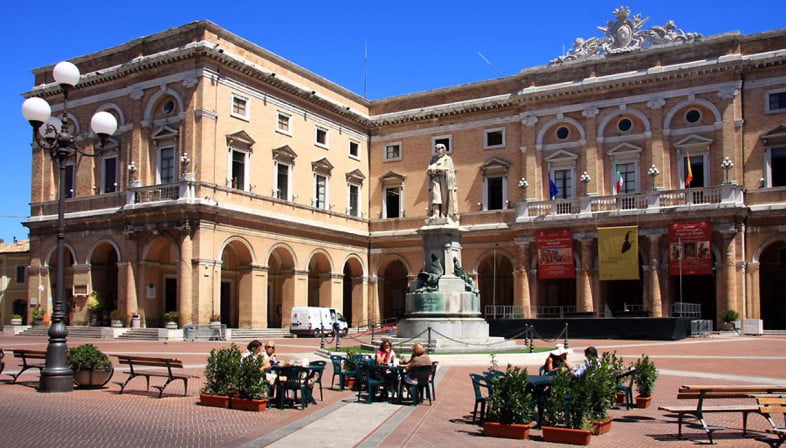
Em Recanati everything revolves around Leopardi, the greatest Italian poet of the 19th century and author of Villaggio Saturday and Infinite.
Recanati, an important center in the area of Macerata, immersed in the extraordinary mountainous landscape of Marche region, celebrates the author’s history, life and work.
Visiting Recanati means breathing Giacomo Leopardi, its culture and its lyrics, often inspired by the songs of its city. It means discovering your illustrious citizen through plaques and verses fixed to the various buildings to find while walking.
Starting at Leopardi Palace, overlooking the square that takes its name from one of his most famous works “Villaggio Saturday“, and the library, his place of study.
It's also worth seeing the Borgo Tower of the 12th century, mentioned in the poet's writings, as well as the Infinity Hill, another part of the city that inspired the poet.
San Mauro Pascoli, the village of Giovanni Pascoli
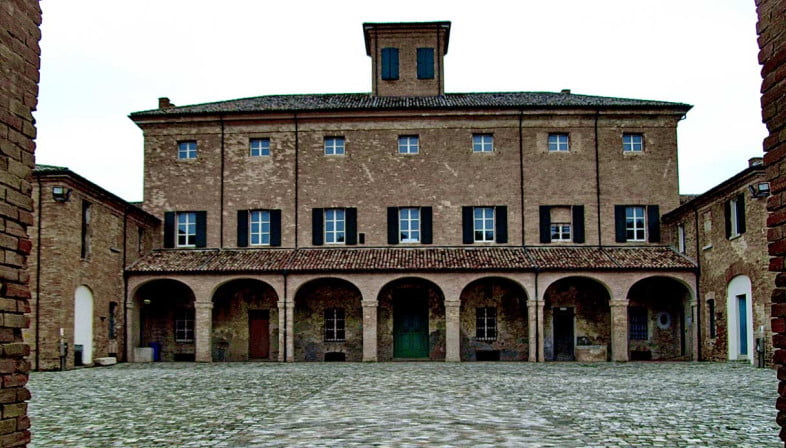
San Mauro di Romagna (known as 'Pastures') is a village linked to one of the greatest Italian poets, John Pastures, author of famous poems such as The cavalla storna e November.
A few kilometers from Adriatic Sea, in a completely flat area, was the author's birthplace and childhood. THE property and Pascoli Museum they preserve their birthplace, furniture, photographs and documents that allow them to reconstruct their history.
However, part of his life was spent in Barga, in the province of Lucca , Tuscany, in the village of Castelvecchio Pascoli.
Here there is still the house where he lived and where you can find the books, diplomas and manuscripts of the poet who was one of the main literary figures of the late 19th century.
Barga is worth a visit not only for Pascoli, but also for being a medieval village, with beautiful Renaissance buildings, but also for its excellent cuisine.
Castagneto Carducci, the land of Giosuè Carducci
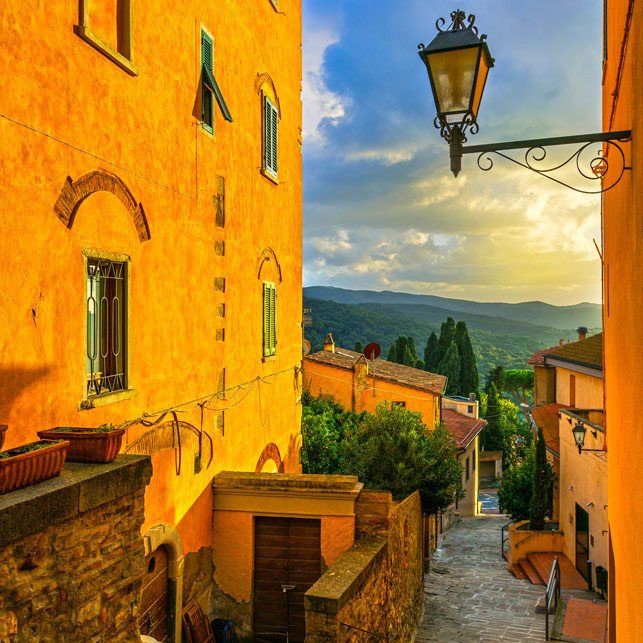
The literary works of Giosuè Carduccias the Saint Martin walk ou Snowfall, are linked to the views and culture of Tuscany Maremma.
Anyone who visits for the first time and has read his works has the feeling that they have already been there and seen the places the author talks about.
Castagneto Carducci It is an area of olive groves and charming farms, places where the poet spent his early childhood years and short stays when he was famous and successful.
A visit to the village of Bolgheri is unmissable, to which the poet dedicated two of his works Davanti San Guido e The road gave me cipressi.
Castagneto Carducci recalls the life and story of his Nobel laureate with the Museum do Archives, which preserves material about his life and work, in addition to offering itineraries to reconstruct the places that inspired Carducci.
Bosisio Parini, the city of Giuseppe Parini
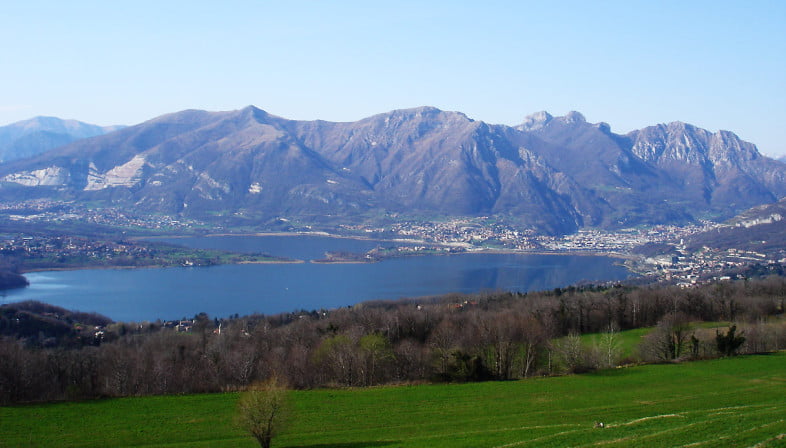
The village of Bosisio Parini, birthplace of Joseph Parini (1729), author of the Odi and Dialogue blows the nobiltà, among others, is born on the banks of the enchanting Lake of Pusiano, between the provinces of Just like e Lecco.
One of Italy's literary cities, Bosisio Parini is strongly linked to the lake, in whose honor the poet published his first book of poems.
Fed by the waters of the Lambro River, the lake is home to the beautiful Cypress Island, privately owned, considered one of the most beautiful islands to visit.
Agliè, the village of Guido Gozzano
Author of poetic collections and short stories, Guido Gozzano was born in Turin in 1883, but his remains were brought to Aglie, a small town in the Canavese region that had a profound impact on the life of the Piedmontese writer, an important exponent of the twilight literary movement. Gozzano spent his childhood in his family’s villa, “il Meletus,” so named for the apple trees that line the sidewalk.
The villa, surrounded by greenery and surrounded by a wonderful garden, is mentioned by the poet in several writings including "L'amica di nonna Speranza".
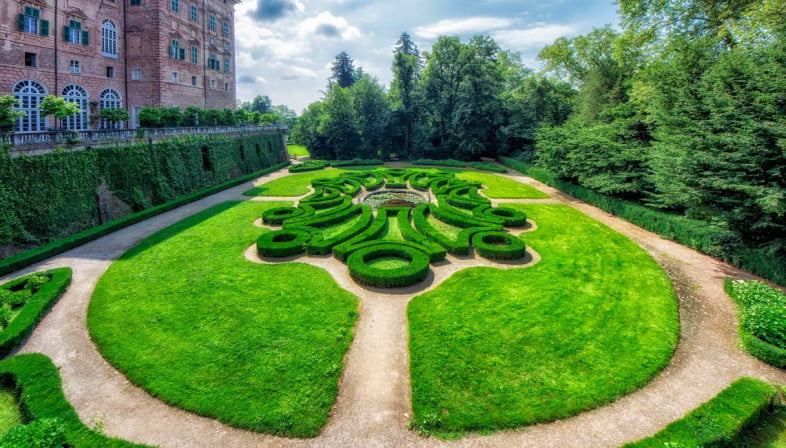
Agliè, however, is also famous for its splendid ducal castle, with its beautiful frescoed rooms and the wonderful park, often used as a film set.
Here we end our trip through most beautiful literary cities in Italy.
Read also