




































Italy recorded 355 births in 2025, the lowest number in its history. The 3,9% drop compared to the previous year exacerbates the so-called "demographic winter" and jeopardizes the country's economic sustainability.
The calculation is mathematical and cruel: for the Italy's pension system For the country to function properly, it needs young workers contributing to pay for those who have already retired.

If the trend is not reversed, Italy is heading towards having 0,8 pensioners for every worker by 2040, according to an official report from the European Commission. (Aging Report 2024)A scenario of collapse for the eurozone economy.
According to renowned demographer Alessandro Rosina of the Università Cattolica, Italy is currently facing a "widespread shortage of young people." In his recent analyses, he warns that the demographic imbalance threatens the sustainability of businesses and the social welfare system, arguing that the country's future depends directly on immediate investment in new generations to avoid an innovation blackout.
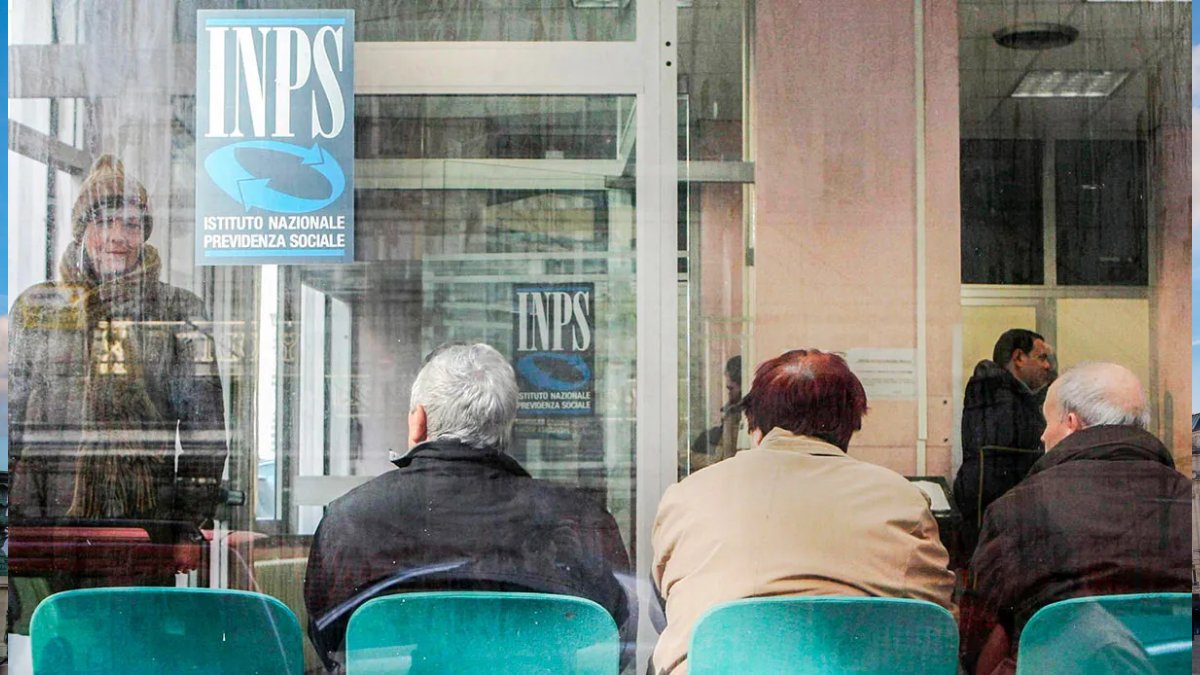
The INPS system under pressure
Unlike individual capitalization models, the Italian pension system operates on a pay-as-you-go system. The money you contribute today pays for the pensions of those who are retired now.
- The problem: By 2026, the base of the pyramid is shrinking. Fewer young people in the workforce means less revenue for the INPS (National Institute of Social Security).
- The consequence: The Italian government has been forced to inject billions of euros from the general budget to cover the pension shortfall, diverting resources from areas such as health and education.
Minimum age: the endless staircase
The immediate response from the Meloni government and successive ministries of economy has been the same: raise the minimum retirement age.
- Today, formulas like "Quota 103" or "Quota 104" attempt to balance the exodus of workers, but the trend for the coming years is that the age of 67 will become only the minimum, with discussions to raise the retirement age to those... 70 years in non-strenuous categories.
The role of the immigrant and the "new citizen"
Here's the crucial point for Brazilians with Italian citizenship: You are the hope of the system. The INPS annual report is clear: without the contributions of foreign workers and new citizens, the Italian social security system would have already collapsed. This is why, despite restrictive political rhetoric, Italy facilitates work visas for qualified professionals and provides incentives for "impatriates."
The scenario in numbers (projection 2026-2030)
| Indicator | Current situation | Critical projection |
| Births/Year | 355.000 | <300.000 |
| Employee/retiree relationship | 1,4:1 | 1:1 (Unfeasible) |
| Standard minimum age | 67 years | 69+ years |
| INPS annual deficit | ~ €20 billion | Growing |
How can you protect your future in Italy?
For those who are just arriving or already live in Beautiful countryExperts suggest three pillars of protection:
- Supplementary pension (Pension funds): Don't rely solely on the state. Private funds with tax incentives are essential.
- Strategic real estate investment: Having a own property in Italy It drastically reduces the cost of living in old age.
- Skilled career: High-tech and healthcare professionals have greater bargaining power and access to more robust category pension funds.
Citizenship as insurance, but with caution.
Having an Italian passport is the gateway to European security, but the "Welfare State" is changing. Italy will not stop paying pensions, but the actual purchasing power and the age to access them will be very different from what our grandparents knew.
FOLLOW ITALIANISM