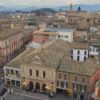











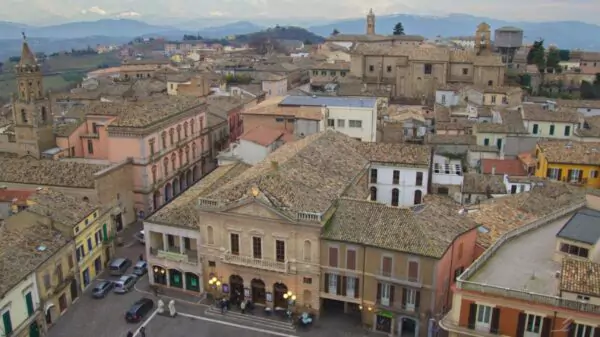














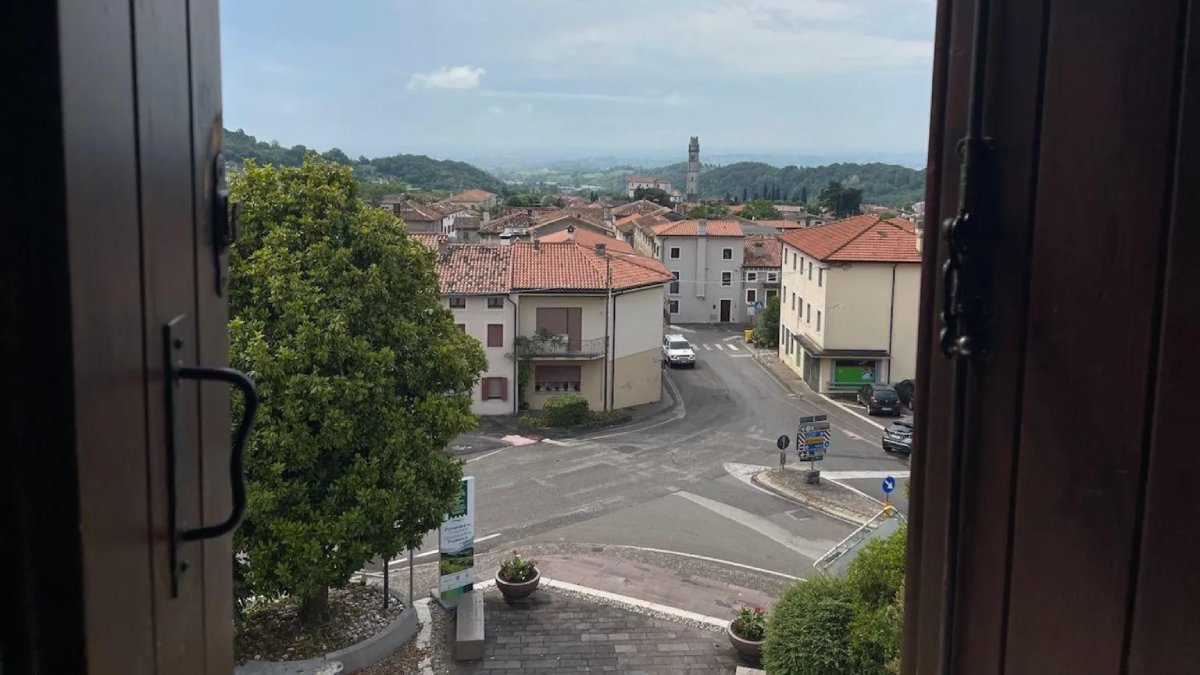
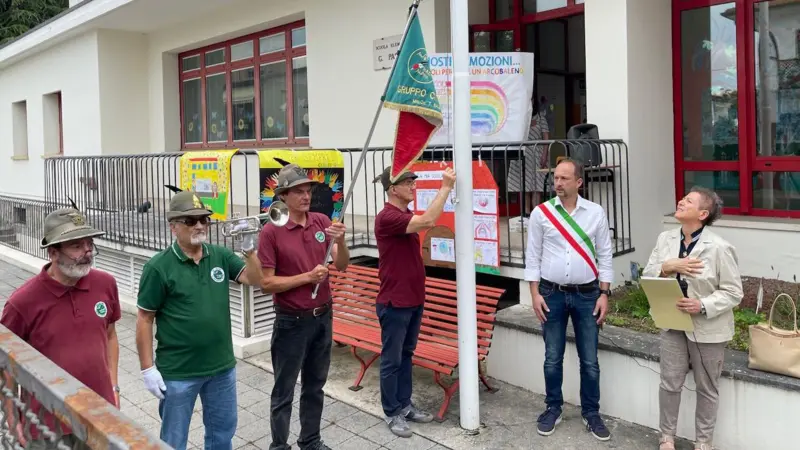
The northern Italian town of Fregona faces an uncertain future. With only four births registered in June and a population of 2.700 residents, — mostly elderly —, the municipality runs the risk of closing its primary school due to a lack of students.

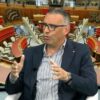
Mayor Giacomo de Luca is trying to prevent the closure of the reception class. "The new first year can't happen because there are only four children. They want to close it," he told the BBC. To keep the school running, De Luca offers free transportation and extended school hours until 18 p.m., all paid for by the city. "I'm worried. Little by little, if things continue like this, the city will die."
National crisis
The scenery of Fregona, in the prosperous province of Treviso, reflects a larger problem. Italy's population has declined by nearly 1,9 million in the last decade. The number of births has been falling for 16 consecutive years. The fertility rate is 1,18 children per woman—below the European Union average and far from the 2,1 needed to replenish the population.
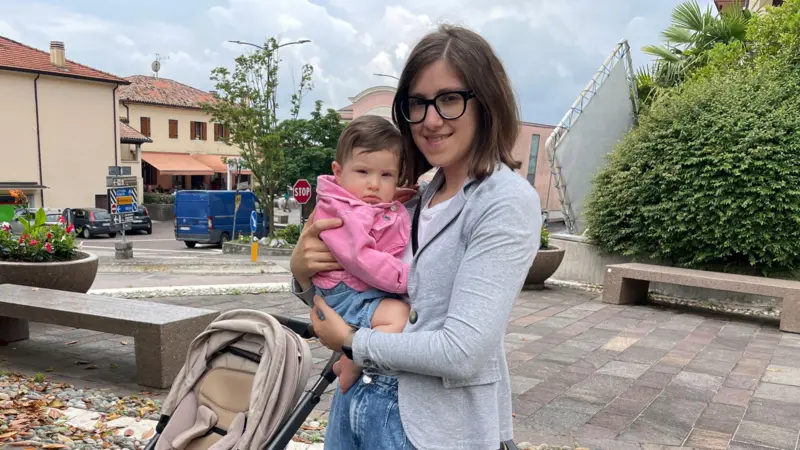
Even with subsidies and tax incentives, motherhood remains a challenge for women like Valentina Dottor. "It's difficult. Because of work, school, money," she says. She receives €200 a month for her daughter Diletta's first year, but she missed out on the new €1.000 bonus offered by the government.
In addition to the lack of support, access to daycare is limited. "There aren't many babies, but there aren't many daycare spaces either. I'm lucky to have my grandmother looking after my daughter. Otherwise, I don't know where I would leave her," said Valentina.
Private initiatives
Faced with a lack of public support, some companies are taking their own initiatives. In Veneto, the refrigerator manufacturer Irinox In partnership with other companies, it created a daycare center near the factory. Employee Melania Sandrin is one of the beneficiaries. "Knowing I had the opportunity to leave my son two minutes away was incredibly important," she said.
Despite the structure, Melania and her colleagues postponed motherhood until their late 30s and are still hesitant to have more children. Irinox CEO Katia da Ros says: "It's not the €1.000 payments that make the difference, but the availability of services like free daycare. If we want to change this, we need strong measures."

New citizenship law
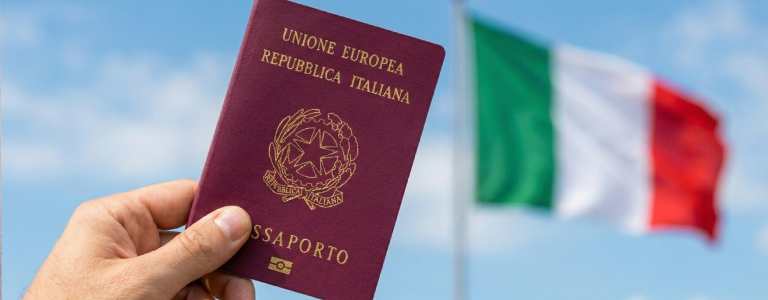
While seeking to reverse the demographic crisis, the Italian government has imposed new restrictions on citizenship. In May, Parliament approved a law that makes it more difficult for descendants abroad to obtain Italian citizenship, directly affecting Brazilians and Argentinians.
At Irinox, more than 40% of the workforce is already foreign. The CEO believes immigration is essential. "Unless there's an unlikely sudden increase in the birth rate, Italy will need more foreign workers. This is the future."
Closures and tensions
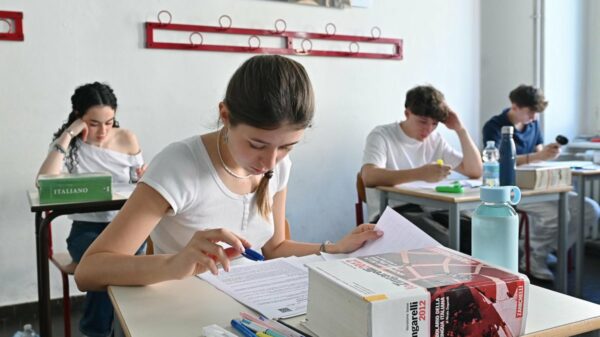
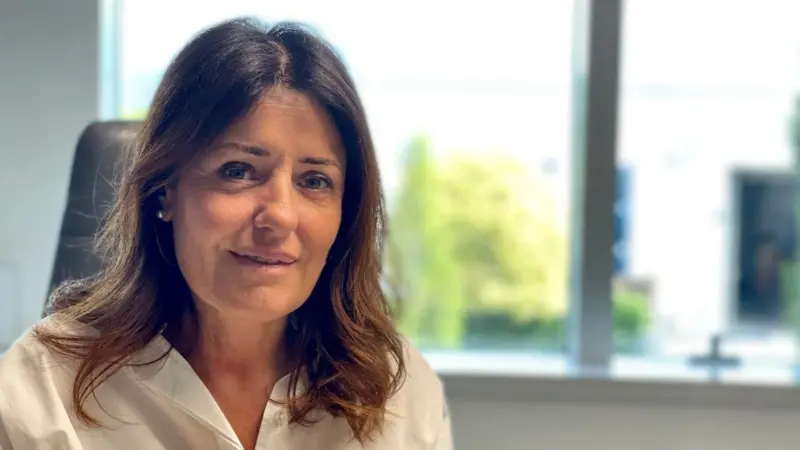
In the neighboring city of Treviso, Pascoli Elementary School closed due to a lack of students. "It's a sad day," said Eleanora Franceschi as she picked up her daughter for the last time. Starting in September, her daughter will have to study in another city.
Director Luana Scarfi stated that migration has changed the region's profile. “Some (families) "They then decided to go to other schools where the immigration rate was lower," he revealed in English. The speech exposed a latent tension: families seeking less diverse environments.
With projections indicating a population loss of 5 million by 2050, Italy faces a structural challenge. Eleanora is clear: "We receive monthly checks, but we also need practical support, like free summer camps. The government wants a larger population, but at the same time, it's not helping. How can we have more babies in this situation?" she concludes.